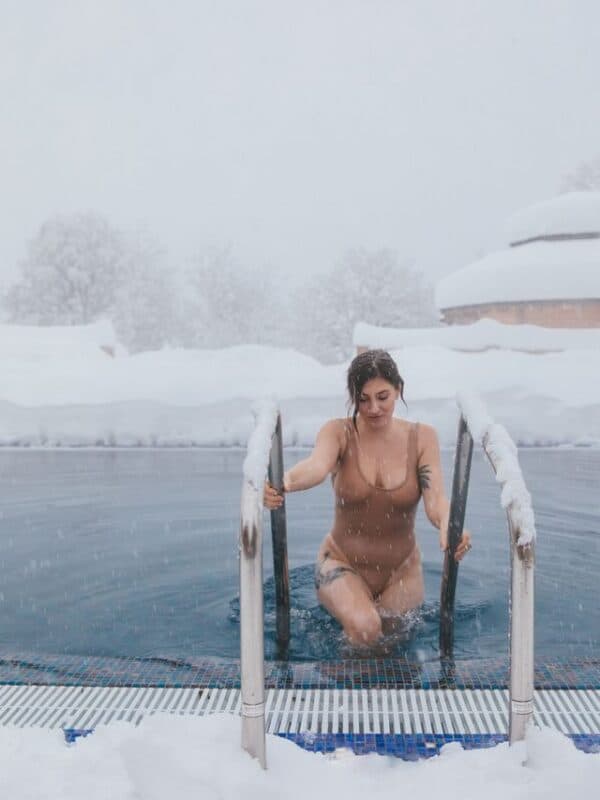
Bengaluru’s ice bath craze spreads, doctors warn of health risks
Influencer-fueled ice baths have turned Bengaluru’s plunge scene social, but heart groups warn the cold shock can be dangerous for some people.
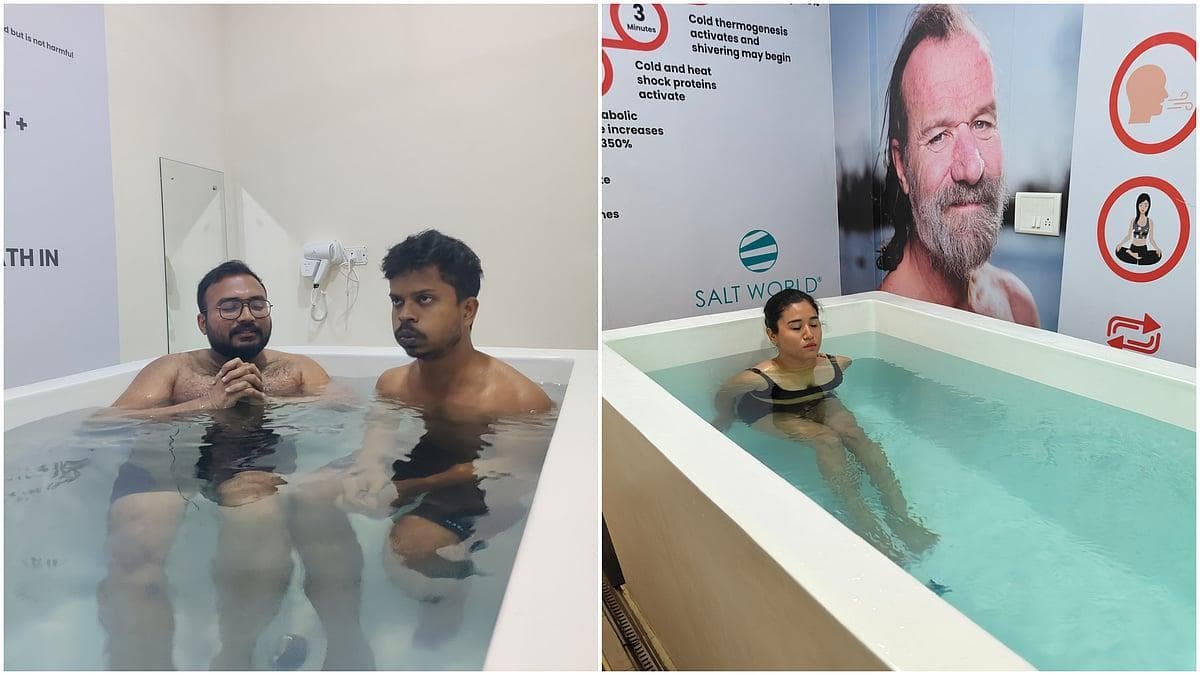
Bengaluru’s cold-plunge boom has moved far beyond recovery and into weekend ritual, with influencer hype pushing ice baths into the city’s wellness circuit. One recent report said first plunges could last 40 seconds and tubs were priced as high as Rs 3,000, a sign that the craze is now as much about social status and shared experience as it is about muscle recovery.
That enthusiasm is colliding with a clear medical caution. The British Heart Foundation says even stepping into very cold water can trigger cold shock, bringing a faster heart rate, higher blood pressure and shortness of breath. The American Heart Association warns that cold-water immersion can cause a sudden rapid increase in breathing, heart rate and blood pressure, while Harvard Health says the evidence for broad benefits is thin and people with cardiovascular disease, especially heart rhythm abnormalities, should avoid the practice altogether.

The Bengaluru scene is not new, either. The New Indian Express noted in March 2023 that ice-water baths were already becoming more common among the general public in the city, and a May 12, 2026 report said cold-water tubs there were being maintained between 15°C and -5°C. That range has helped turn the practice into a more polished wellness format, but it has also made the risk easier to underestimate when the plunge is framed as a simple lifestyle upgrade.
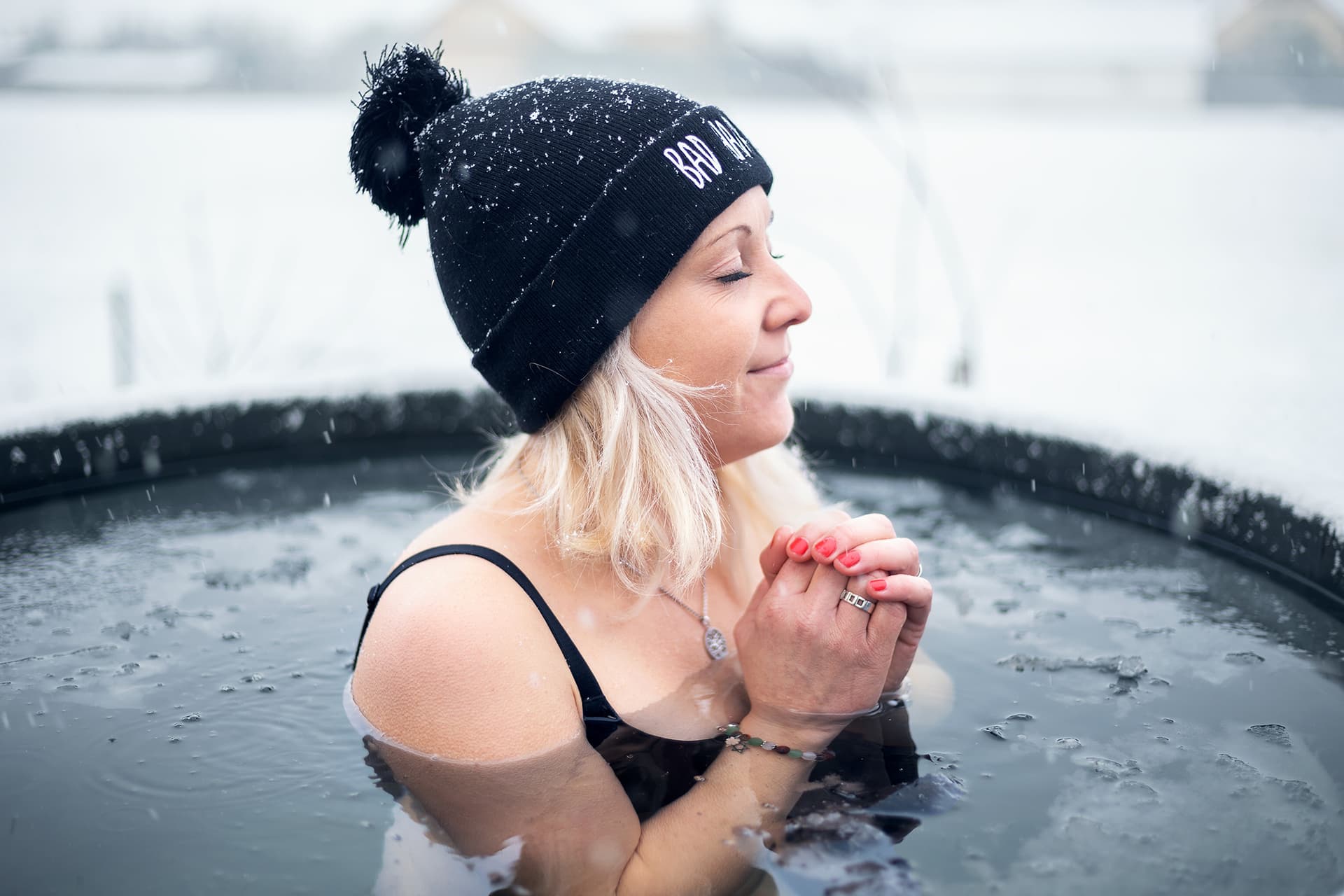
The wider cold-therapy wave has been building for years, from the 2014 ice bucket challenge era to celebrity-driven ice facial trends. The British Journal of Sports Medicine says cold-water immersion has exploded in popularity across home ice baths, cold showers and open-water dips, and has called for better guidance and risk minimization as more people try it for claimed physical and mental gains.
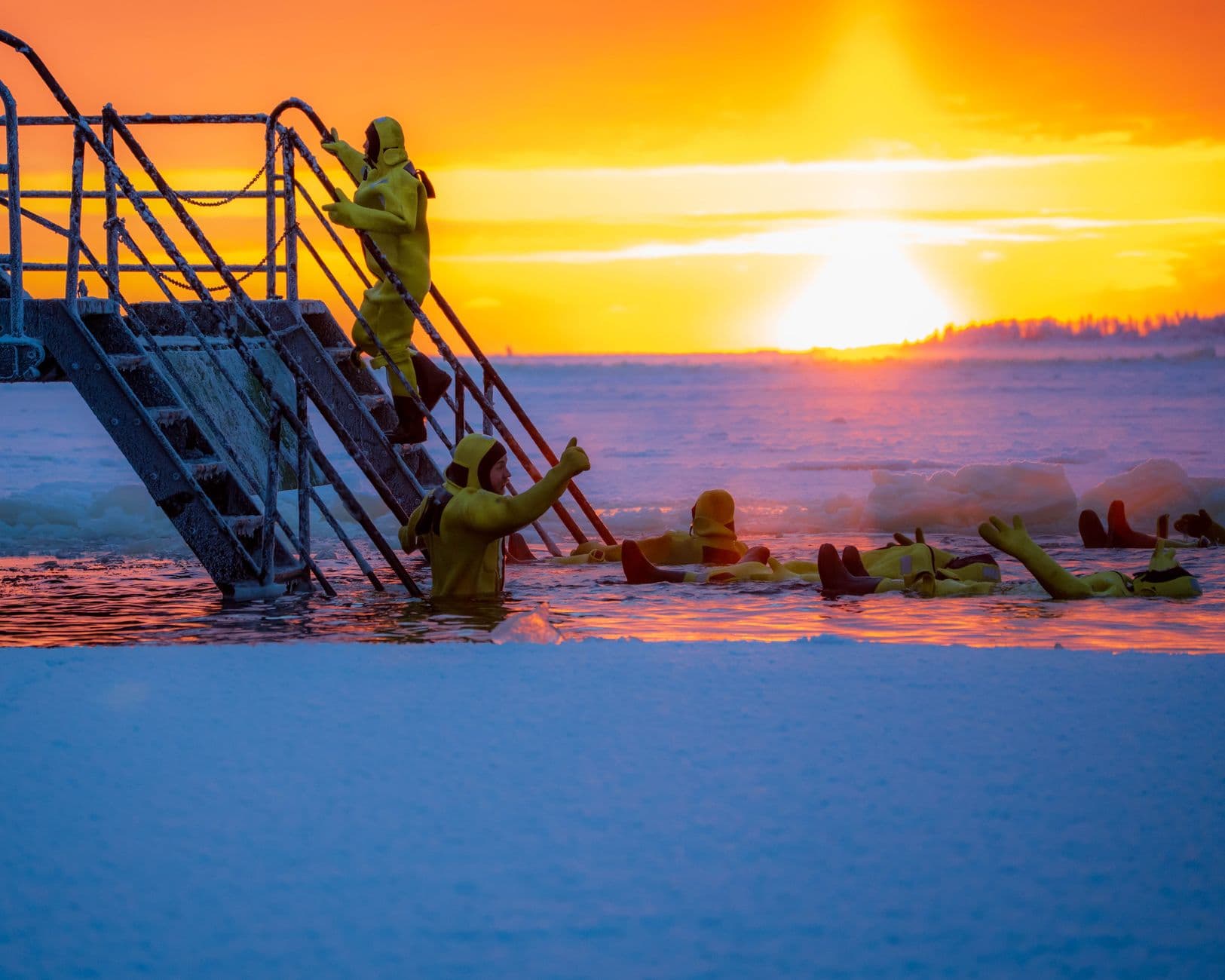
For Bengaluru’s growing crowd of cold plungers, the line between recovery hobby and danger is easy to spot: racing heart, breathlessness, and a sharp rise in blood pressure are not signs of toughness. They are the body’s warning that the plunge has shifted from controlled exposure to cold shock, exactly the point where the city’s ice bath obsession stops looking like a wellness flex and starts looking like a health risk.
This article was produced by Prism’s automated news system from verified source data, official records, and press releases, then run through automated quality and moderation checks before publishing. The system is built and supervised by the people who set the standards it runs under. Read our full AI policy.
Did this article answer your question?