Can cold plunge therapy really help with inflammation?
Cold plunges can ease soreness and swelling after hard workouts, but the evidence stops there. The biggest claims on immunity and mood still outrun the science.
What cold plunge therapy can actually do
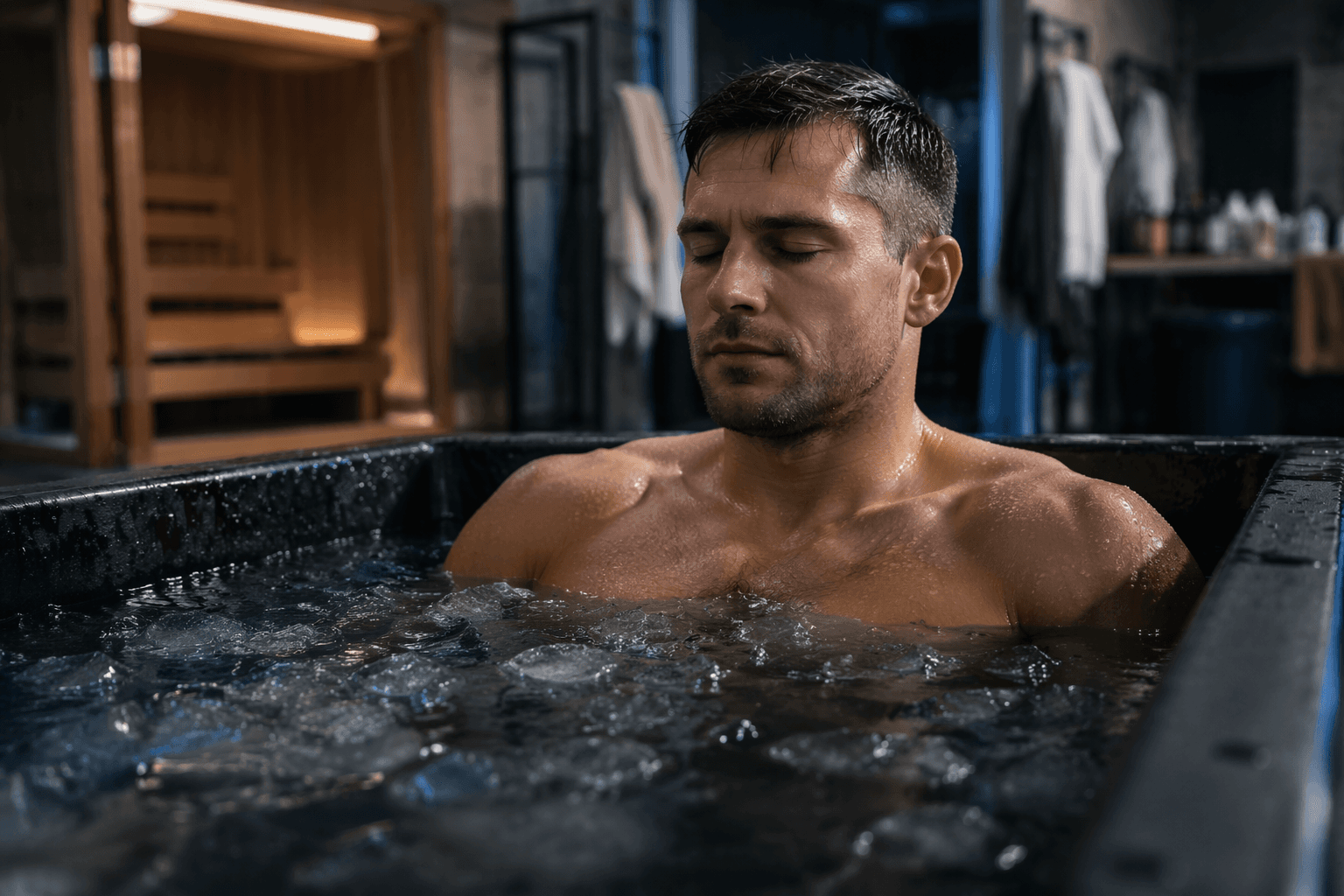
Cold plunge therapy is best understood as a short-term recovery tool, not a cure for inflammation. The strongest practical effect is that cold exposure can temporarily narrow blood vessels, change circulation as the body reheats, and influence the nervous system, which may help with soreness and swelling after hard effort. That is a very different promise from the all-purpose wellness pitch that treats ice water like a fix for everything.
That distinction matters because inflammation is not automatically a problem. It is part of normal healing, so the goal is not to wipe it out completely. The smarter use case is to calm down lingering discomfort when inflammation has overstayed its welcome or become uncomfortable enough to interrupt training, sleep, or daily movement.
Where the science is strongest
The cleanest evidence is tied to exercise recovery. Mayo Clinic Press says cold-water immersion has evidence for reducing exercise-induced muscle damage, which can mean less inflammation and soreness after hard workouts. That lines up with the experience many lifters, runners, and field-sport athletes report after a brutal session: the plunge does not erase the work, but it can take the edge off the next day.
There is also a real caution baked into the research. A systematic review and meta-analysis in PLOS One found cold-water immersion may have time-dependent effects on inflammation, stress, immunity, sleep quality, and quality of life in healthy adults. But the evidence base is still thin, with few randomized trials, small sample sizes, and limited diversity. In other words, the signal is interesting, but it is nowhere near strong enough to support the sweeping claims that have floated around wellness circles.
What cold plunges cannot honestly promise
This is where the reality check gets sharper. Claims about faster recovery, pain numbing, fewer colds, and better mood are common, and they are part of the appeal. But the more the promises spread beyond post-workout recovery, the weaker the evidence gets.
Mayo Clinic Health System says cold-water immersion may help with recovery in the short term, but daily plunges may compromise long-term training improvements. That is the part hype often skips. If you are using cold exposure after every session, you may feel better today while dulling some of the adaptive signal your body needs to build back stronger over time. The practice can be useful, but it is not free of tradeoffs.
Why home cold tubs changed the routine
One reason the conversation has shifted is that home cold plunge tubs make the practice easier to repeat and easier to standardize. Filling a bathtub with ice every day is a hassle, and inconsistency makes it hard to tell whether the method is helping. A dedicated tub lets you keep the temperature, duration, and setup more controlled, which is exactly what the more practical recovery arguments rely on.
That fits the bigger market story too. Research and Markets projects the global cold plunge tub market could grow from $332.4 million in 2024 to $462.3 million by 2031. That growth does not prove medical benefit, but it does show how quickly cold immersion has moved from niche recovery tactic to consumer category.
The trend also has a clear cultural engine. Mayo Clinic Press links the modern ice-bath wave to Wim Hof, the Dutch adventure athlete and motivational speaker known as “The Iceman,” who helped turn ice baths from a stunt into mainstream wellness. UF Health Jacksonville has also noted how quickly cold-water immersion has spread through social media and news coverage. The result is a practice that now lives in two worlds at once: clinical recovery and influencer-driven biohacking.
The numbers that matter in real use
If you want a practical range, the studies most often cited in recent reviews tend to land around 10 to 15°C, or about 50 to 59°F. That is cold enough to produce a real stimulus without requiring the extreme conditions that usually dominate online bragging rights.
Just as important, the research keeps pointing toward control rather than toughness. Short sessions, repeatable settings, and consistent use make more sense than chasing longer dips or colder water. The body does not need a heroic ordeal to respond. It needs a stimulus you can actually repeat.
Who needs to be careful
This is not the place to improvise if you have cardiovascular or blood-pressure concerns. The American Heart Association warns that sudden immersion in cold water can be dangerous and that cold shock can be life-threatening. The National Weather Service says cold water can trigger dramatic changes in breathing, heart rate, and blood pressure. Harvard Health adds that cold plunges are not advisable for people with cardiovascular disease, especially those with rhythm abnormalities.
That means people with heart conditions, circulation issues, high blood pressure, or other medical concerns should talk with a healthcare professional first. Cold exposure is not just a mood ritual. It is a real physiological stressor.
When it is worth trying, and when it probably is not
Cold plunge therapy is worth trying if you want a controlled recovery tool after hard workouts, especially when soreness and swelling are the main problem. It also makes more sense if you can keep the temperature consistent, keep sessions short, and use it as part of a broader recovery routine rather than as a replacement for sleep, nutrition, or smart training load.
It is probably not worth leaning on if you are chasing vague promises about immunity, general wellness, or a permanent anti-inflammatory reset. It is also the wrong experiment if you have a history of heart, rhythm, blood-pressure, or circulation problems.
Cold plunge therapy can help with inflammation, but only in the narrow way the evidence supports: as a temporary recovery aid, not a miracle cure. That is the real shift under all the hype, and it is the difference between using cold water well and treating it like a magic trick.
This article was produced by Prism’s automated news system from verified source data, official records, and press releases, then run through automated quality and moderation checks before publishing. The system is built and supervised by the people who set the standards it runs under. Read our full AI policy.
Did this article answer your question?