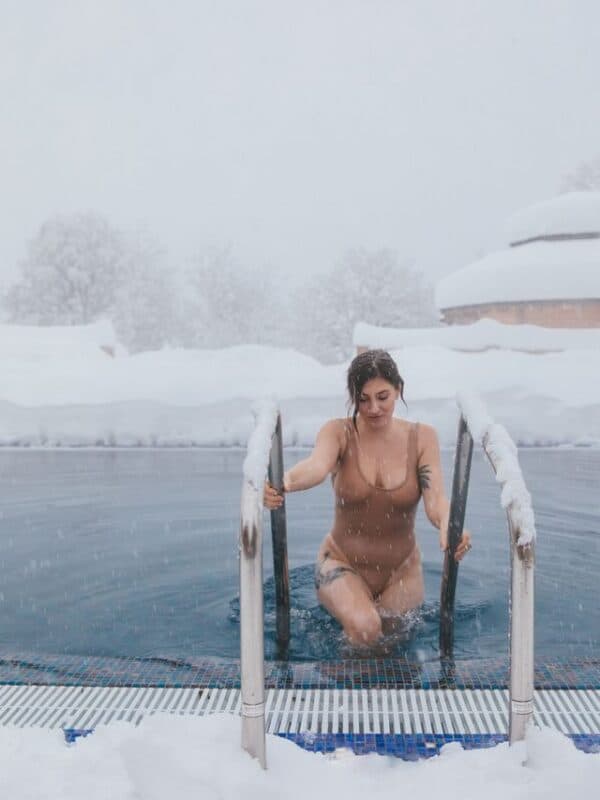
Cold baths mature into evidence-based recovery, reshaping wellness commerce
Colder is no longer the whole story: newer ice-bath studies are separating real recovery gains from hype and pushing plunge businesses to sell guidance, not just ice.
The evidence shift
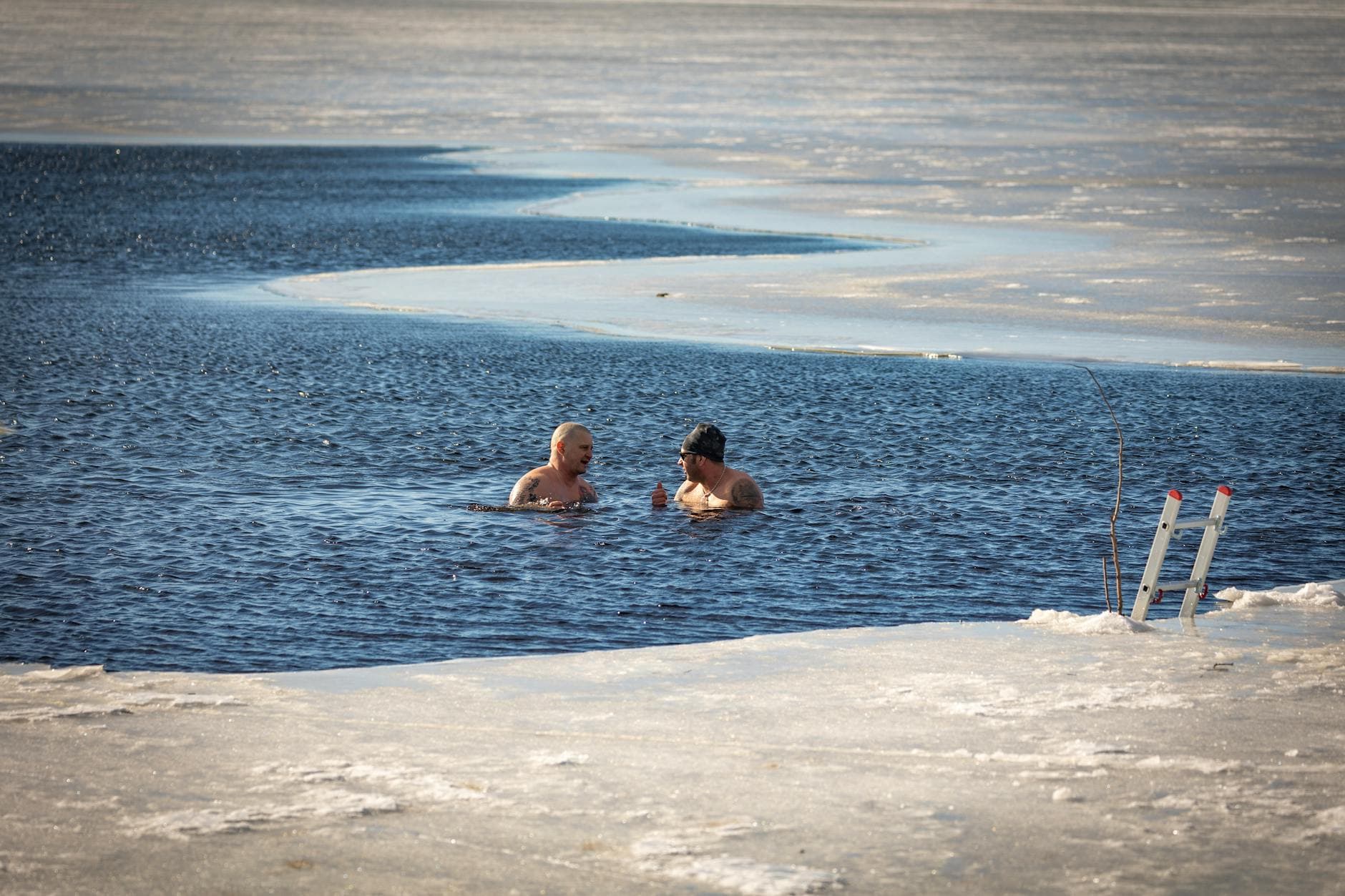
Cold baths are leaving the fad phase and entering a more demanding one. The sharpest change is not in the tubs themselves but in the way people are thinking about them: the latest research says the result depends on temperature, immersion duration, frequency, training goals, and individual differences. That is a very different message from the old wellness pitch that treated any cold soak as automatically restorative.
Syochi’s May 15, 2026 roundup captures that turn clearly. The industry is still riding the mainstream recovery wave, but the next advantage will come from evidence, not just from having a chiller in the room. For anyone who actually lives in this world, that is the real shift: colder is not always better, and the right protocol is starting to matter more than the hardware.
What the science now supports
The strongest modern case for cold-water immersion is not that it fixes everything, but that it does specific jobs under specific conditions. The American College of Sports Medicine has already described cold-water immersion as the most studied cryotherapy application and the most commonly used recovery modality across athletes at all competition levels. That makes it the most familiar recovery tool in the category, but familiarity is not the same as uniform effectiveness.
A 2025 synthesis in Frontiers in Physiology sharpened the picture by comparing different doses of cold-water immersion after acute exercise-induced muscle damage. The study found that 10 to 15 minutes at 5°C to 10°C ranked best for jump performance and creatine kinase reduction, while 10 to 15 minutes at 11°C to 15°C ranked best for reducing delayed-onset muscle soreness. In other words, the “best” plunge depends on what you want out of it: performance restoration and soreness relief are not exactly the same target.
That protocol-first approach is echoed in a 2026 PubMed-indexed systematic review that searched randomized controlled trials from January 2014 through June 2025 to identify optimal cold-water-immersion strategies across resistance training, endurance exercise, and team sports. The direction of travel is unmistakable. Researchers are no longer asking whether cold immersion works in some general sense. They are asking which dose, which temperature, and which kind of athlete benefit most.
Different goals, different water
If you are using ice baths after training, the evidence now supports a more deliberate question before every session: what outcome are you chasing?
- If you want to feel less sore, the 11°C to 15°C range in the Frontiers synthesis mattered more.
- If you are focused on jump performance and markers like creatine kinase, the colder 5°C to 10°C range looked stronger.
- If your training mix changes, the protocol may need to change with it, because resistance work, endurance work, and team sports do not ask the body for the same recovery response.
That is the important correction to the old plunge culture habit of treating one cold tub setting as a universal answer. The science is moving toward matching the dose to the job.
What remains uncertain
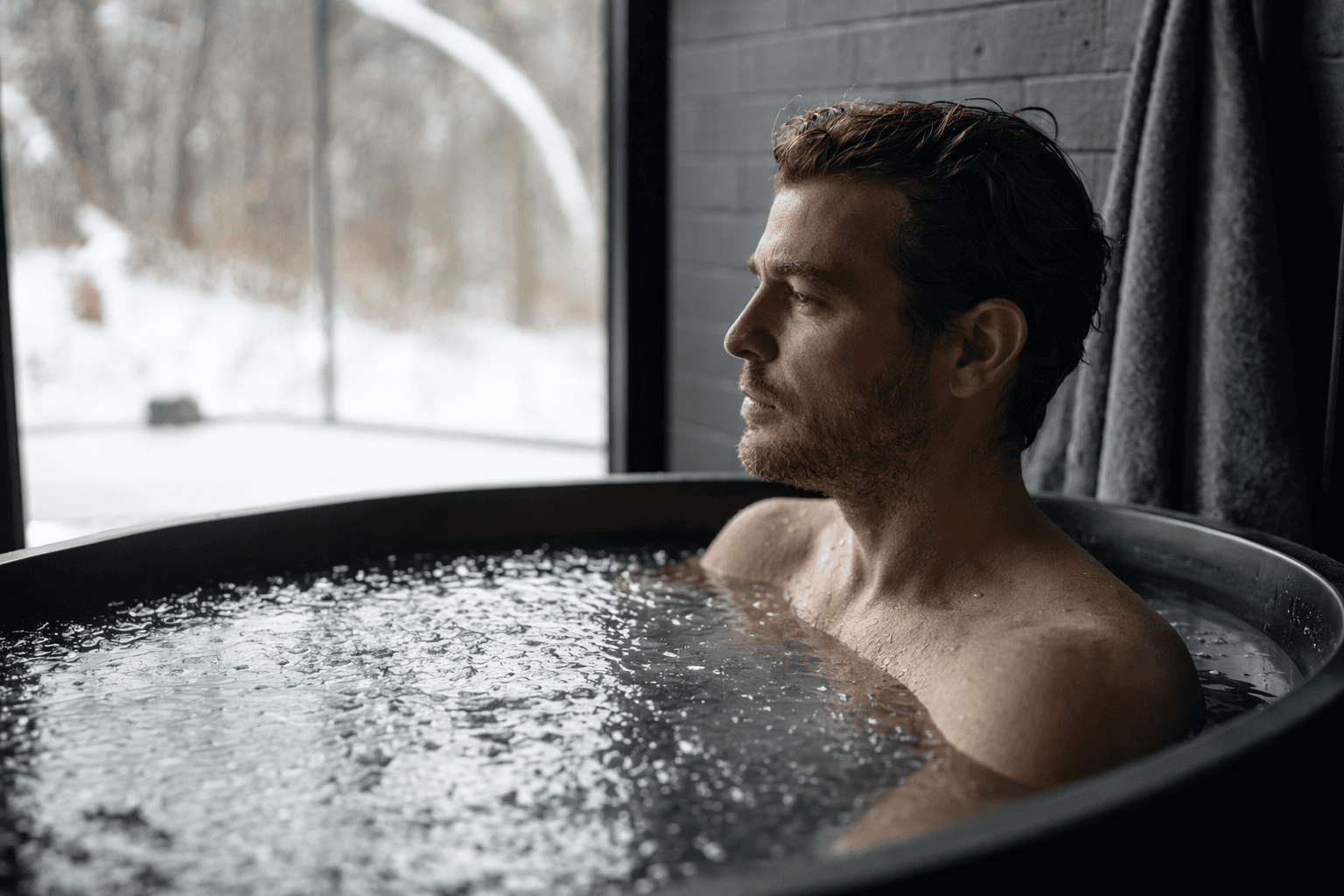
For all the progress, cold baths still resist easy, one-size-fits-all rules. Syochi’s framing makes that plain: frequency of use and individual differences are part of the equation, not afterthoughts. That means the same routine may feel excellent for one lifter, neutral for another, and too aggressive for someone trying to recover from a very different workload.
The unresolved question is less “should people use ice baths?” and more “when, how often, and for whom do they make the most sense?” The current research points toward optimization, not absolutes. That leaves room for caution around any product promise that sounds too clean, too fast, or too universal.
Safety is part of that uncertainty, and it should stay front and center. The Centers for Disease Control and Prevention says immersion hypothermia develops much more quickly than standard hypothermia, and it can occur in any water temperature below 70°F. That is a serious reminder that the cold plunge is a physiological intervention, not just a lifestyle aesthetic. The World Health Organization and CDC materials on cold exposure reinforce that cold-water immersion carries real risk, which is exactly why protocol matters so much.
How the commerce is changing
The commercial story is bigger than a single tub. Bloomberg reported in November 2024 that the global wellness industry reached $6.32 trillion in 2023, and by January 2026 it was describing sauna and cold-plunge culture as a mainstream wellness phenomenon. Cold exposure has clearly moved from niche recovery ritual into everyday wellness commerce.
A 2025 market report estimated the cold plunge tub market at $354.6 million, with commercial use accounting for 81.4% of the market. That is the telltale number. The near-term customers are not just private buyers chasing a home-bath flex. They are gyms, recovery centers, hotels, and high-end wellness spaces that want cold therapy to feel integrated, not isolated.
That is why Syochi’s commercial takeaway lands so well. The next competitive edge may not be the coldest machine on the floor. It may be the full recovery experience: how the plunge is placed in the space, how users are guided through the session, and how naturally the system fits into a repeatable routine. Once cold baths become a service design problem, the winning product is the one that helps people use the protocol correctly and keep coming back for the right reasons.
What to question next
The evidence shift should make readers more skeptical of broad claims and more attentive to specifics. Any pitch that sells cold exposure as a miracle cure is already behind the research. The smarter conversation is about temperature, time, frequency, and context, because those are the variables now being tested in actual trials.
That also means the best plunge is not necessarily the harshest one. The opening tension in this category was always whether cold baths were real recovery or just a wellness stunt. The newer answer is more interesting: they are real, but only when the protocol matches the purpose.
This article was produced by Prism’s automated news system from verified source data, official records, and press releases, then run through automated quality and moderation checks before publishing. The system is built and supervised by the people who set the standards it runs under. Read our full AI policy.
Did this article answer your question?