Cold Plunge and Sauna Pair Up as Recovery Science Gains Ground
Sauna and plunge work best as one recovery protocol, not two separate rituals. The clearest payoff is post-workout soreness relief, while sleep and stress benefits still look promising but less settled.
The recovery stack is finally being treated like a system
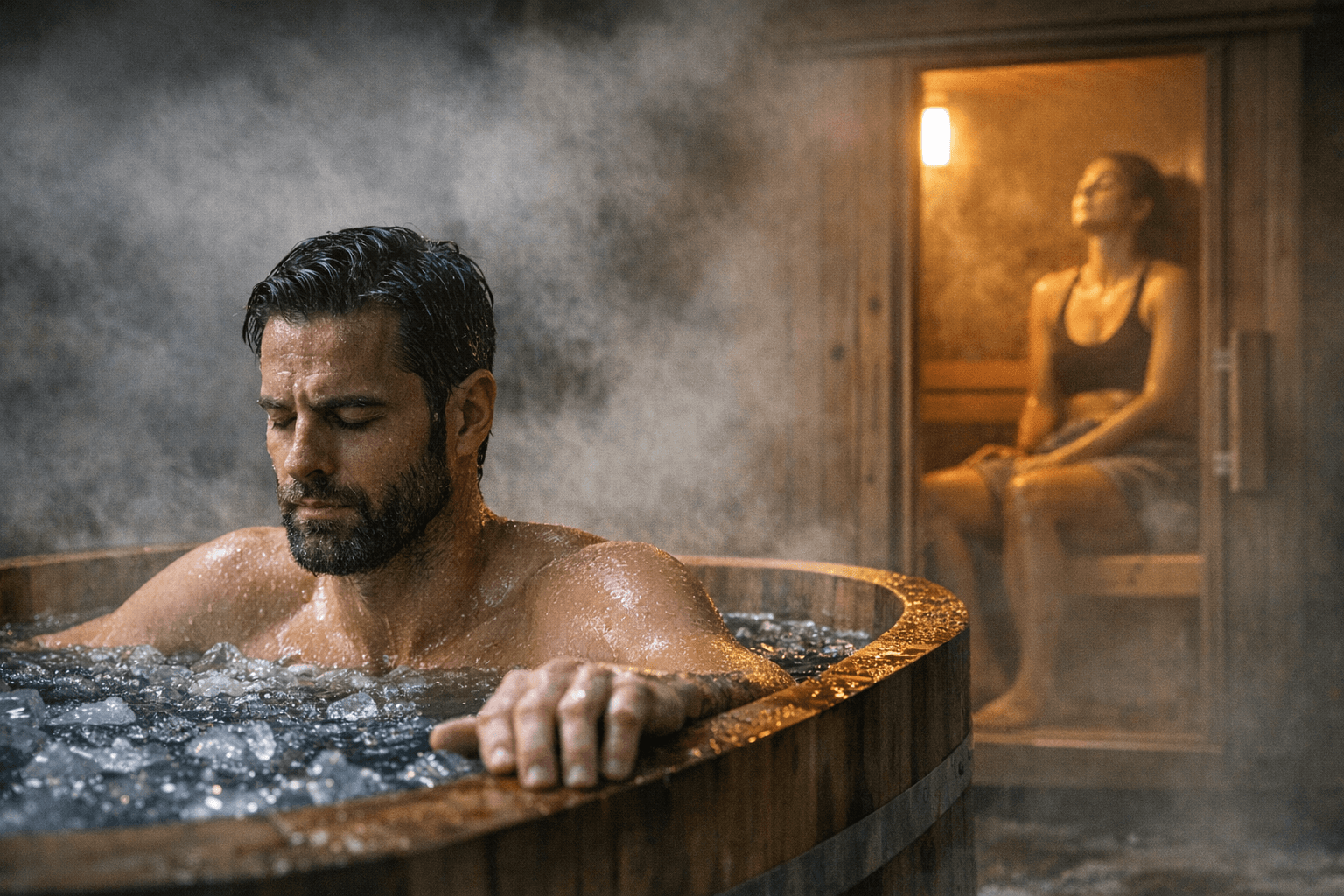
If you already own both a sauna and a cold plunge, the biggest upgrade may not be a new tub or a colder setting. It is treating heat and cold as one recovery sequence, because that is how RecovAthlete frames contrast therapy: not as two unrelated wellness habits, but as a single protocol with a job to do.
The logic is simple enough to feel intuitive. Heat drives vasodilation and boosts blood flow, then cold triggers vasoconstriction, and the alternation creates a pumping effect that may help clear metabolic waste and ease delayed onset muscle soreness. That story is useful, but it is not magic; some experimental and review work says contrast therapy may have limited effect on deep muscle temperature, which means the blood-flow explanation is only part of the picture.
What the evidence actually supports
Contrast therapy has been around sport for a long time, but the evidence has never been as tidy as the marketing. A 2008 systematic review said the method was widely used across sporting codes, yet the support for its effectiveness was “mainly anecdotal.” A 2012 study in elite professional footballers tested 14-minute post-match recovery exposures using either contrast water therapy or cold-water immersion, which tells you how long this debate has been sitting inside sports medicine without a single simple answer.
The more recent literature is still cautious, just more refined. A 2015 British Journal of Sports Medicine meta-analysis said cold-water immersion is commonly used after strenuous exercise, especially when the workout includes a novel eccentric component, the kind of muscle damage that leaves legs feeling like gravel. The overall pattern is that contrast therapy looks most credible for post-exercise recovery and DOMS reduction, while claims about sleep, general wellness, and stress relief remain more promising than proven.
How to run the protocol
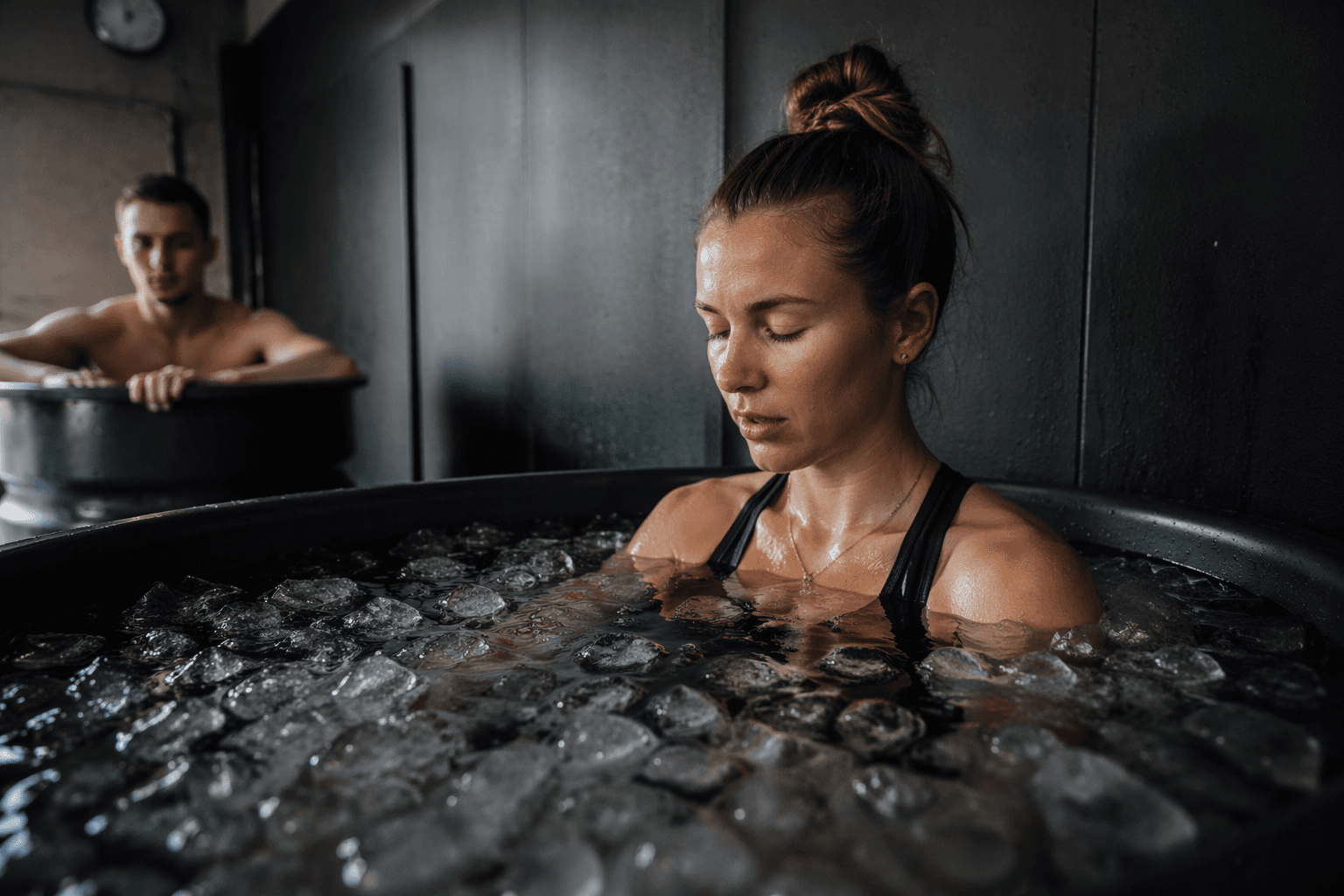
RecovAthlete’s version is specific enough to compare against almost any home setup. For a traditional sauna, the guide recommends 10 to 15 minutes at 160°F to 180°F, or about 20 minutes at 130°F to 145°F in an infrared sauna. After that, drop into a cold plunge at 50°F to 59°F for 2 to 3 minutes, then repeat the sequence for 3 to 4 cycles and finish on cold.
A practical loop that matches the guide
1. Start hot.
Spend 10 to 15 minutes in a conventional sauna, or about 20 minutes in infrared, long enough to raise circulation without turning the session into a test of endurance. The intended effect is vasodilation and heat loading, not a heroic sweat.
2. Move to cold.
Stay in the plunge for 2 to 3 minutes at 50°F to 59°F. That short hit is the point, because the protocol is meant to alternates vessel behavior, not trap you in the water until you stop feeling your toes.
3. Repeat the cycle.
Run 3 to 4 rounds, depending on tolerance and total time available. The full session usually lands between 40 and 75 minutes, which is a real commitment, not an incidental add-on to a workout.
4. Finish cold.
RecovAthlete says to end on the plunge, which keeps the sequence consistent and gives the session a clear finish rather than an endless back-and-forth.
That structure matters because it turns sauna and plunge from separate habits into one defined recovery block. If you are trying to compare your own routine with the guide, the biggest question is not whether you like heat or cold more. It is whether you are using them in sequence, for long enough, and at temperatures that match the intended effect.
Why the safety conversation has to sit inside the protocol
Cold-water immersion is not a casual accessory. A 2022 British Journal of Sports Medicine article warned that cold-water therapies have surged in popularity and should be approached with attention to risk, and the American Heart Association explains why: water pulls heat from the body about 25 times faster than air. That is why cold immersion can trigger rapid hypothermia, reduce strength and coordination, and place more strain on the cardiovascular system in some users.
The acute hazards are the ones every plunge regular knows from experience but should never normalize: cold shock, gasping, hyperventilation, hypertension, and arrhythmias. Those risks matter most if you have cardiovascular disease or very little exposure to cold water, because the same practice that feels clarifying on a good day can become a stress test on a bad one.
Why sauna keeps showing up in the same conversation
Sauna is the quieter half of this pairing, but it brings serious cultural and research weight. Finnish cohort studies from the Kuopio Ischemic Heart Disease Study have linked more frequent sauna bathing with lower risks of fatal cardiovascular events and all-cause mortality, and later work has associated sauna use with lower incident hypertension. That does not prove cause and effect, but it helps explain why sauna has moved far beyond the spa aisle and into the recovery and longevity conversation.
Researchers such as Jari A. Laukkanen and others have helped build that sauna lineage, especially in Finland and Eastern Finland, where long-running cohort data gave the practice a much sturdier scientific identity than most wellness fads ever get. Put that next to the increasingly precise contrast-therapy protocol, and the pairing starts to look less like a trend and more like an emerging recovery language.
What the newer wellness claims can and cannot promise
The strongest outside support for cold exposure is still about recovery, but a 2025 systematic review and meta-analysis of 11 studies with 3,177 participants suggests the benefits may extend a little farther. It found that cold-water immersion may lower stress, improve sleep quality, and improve quality of life, although mood effects were less consistent and the benefits appeared time-dependent rather than permanent.
That nuance matters. It means the post-plunge calm you feel might not show up the same way every time, and some of the sleep or stress gains may arrive later, not instantly. The most useful way to read the evidence is not as a promise of transformation, but as a signal that the protocol may pay off in layers, with soreness relief at the front and broader wellness effects still under investigation.
The business model is already catching up
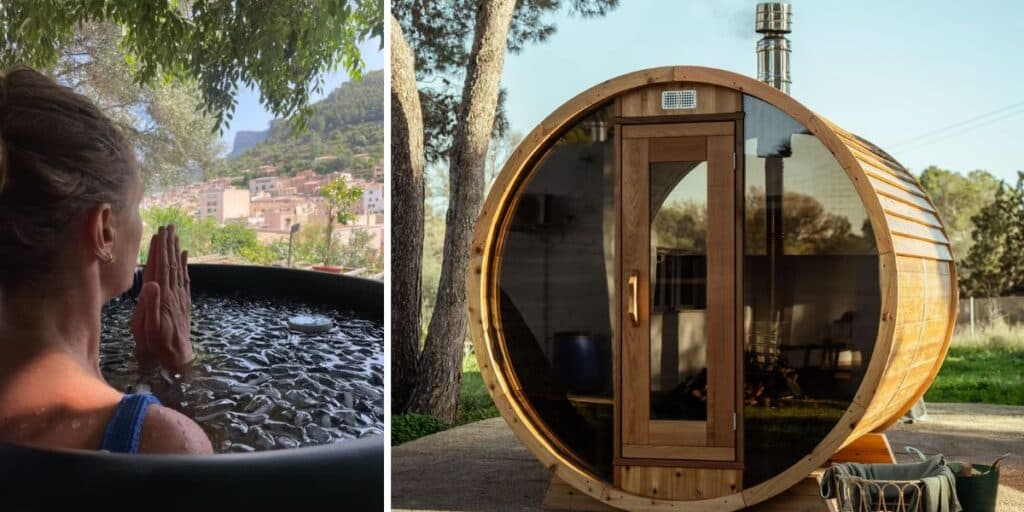
This is no longer just a backyard recovery ritual. RecovAthlete’s guide points to home setups built around a barrel sauna or indoor infrared unit paired with a dedicated plunge tub and chiller, which removes the daily chore of hauling ice and turns the habit into something repeatable. On the commercial side, contrast-therapy packages are becoming a real line item for medspas and recovery gyms, with guided sessions commonly priced around $40 to $80 and payback periods that may come in under 18 months in the right market.
That commercial shift tells you a lot about where the category is headed. Contrast therapy is moving from improvised recovery into a structured service with a defined sequence, specific temperatures, safety concerns, and enough demand to justify equipment and staffing. For anyone already split between heat and cold, the cleaner move may be to stop treating them like two separate hobbies and start using them as one protocol built around timing, tolerance, and a clear recovery goal.
This article was produced by Prism’s automated news system from verified source data, official records, and press releases, then run through automated quality and moderation checks before publishing. The system is built and supervised by the people who set the standards it runs under. Read our full AI policy.
Know something we missed? Have a correction or additional information?
Submit a Tip