Irish Women Develop Temporary Amnesia After Cold-Water Immersion Study
Nine Irish women, ages 55 to 82, developed brief amnesia after sea swims in water as warm as 18°C, and all recovered within a day.
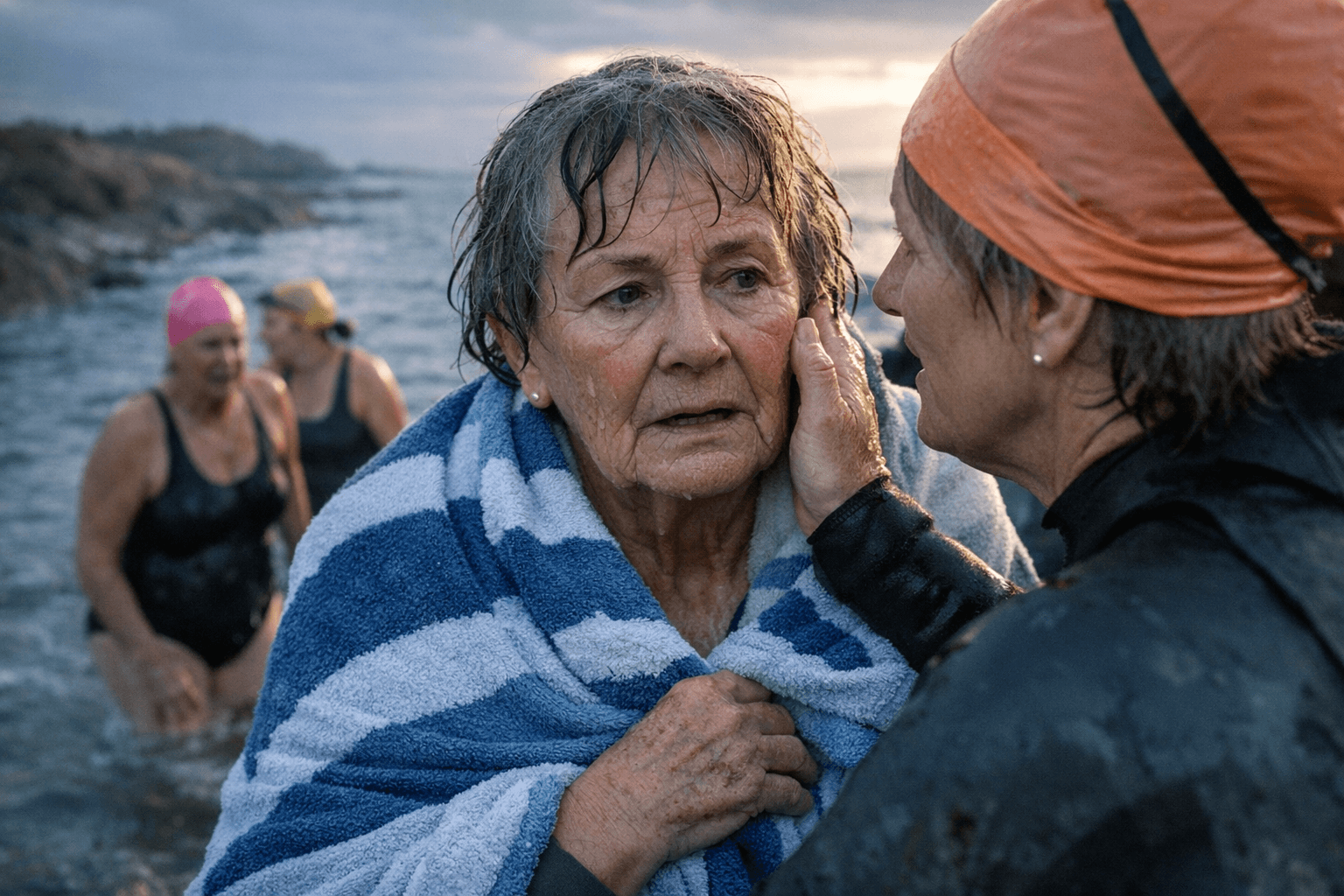
A sea swim that should have ended with a post-dip buzz instead ended with nine women losing hours of memory. In Bantry, on the south coast of Ireland, doctors recorded a cluster of transient global amnesia cases after cold-water immersion, and the pattern was hard to ignore: all nine patients were women, ages 55 to 82, and their symptoms started during or just after swimming.
The case series, published March 10, 2025, traced the episodes to sea swims between 2019 and 2024. Water temperatures ran from 9.2°C to 18°C, which means this was not just an arctic plunge gone wrong. Some of the swims happened in water that would feel cool, not punishing, to plenty of regular cold-water swimmers. Even so, the memory loss lasted 1 to 7 hours, and every patient recovered fully within 24 hours.
The work matters because transient global amnesia is usually sudden and short-lived, but it is still jarring when it happens. In general references, the syndrome is estimated at about 3 to 8 cases per 100,000 people each year and is most common in adults around 50 to 70. The Bantry cases did not show acute damage on CT scans, and MRI was normal in the three patients who had it, which fits the classic picture of TGA: dramatic, temporary, and often diagnostically frustrating.
For cold-plunge regulars, the takeaway is not that every ice bath is risky. It is that open-water immersion and unsupervised sea swimming may carry a different profile than a controlled tub at home. Sudden immersion in water under 60°F can trigger cold shock, a rapid spike in breathing, heart rate, and blood pressure. That is the moment when cold water stops being a wellness ritual and starts acting like a stress test.
The people who should be more cautious are easy to name: swimmers over 50, anyone with a history of fainting or memory episodes, and people with cardiovascular disease or rhythm problems. Harvard Health has warned that the evidence for broad cold-plunge benefits remains shaky, while the downside risk rises in those groups. Open-water swimmers should treat confusion, inability to remember the last few minutes, gasping, chest discomfort, dizziness, or a racing heartbeat as a hard stop, not something to push through.
The Bantry authors said the findings warrant further investigation, especially as sea swimming keeps spreading around Europe. The case series also adds to a trail of older reports, including a 2023 BMJ Case Reports case involving a woman in her 70s after cold-water swimming and a 1998 report after repeated immersion in 20°C water. Bill Gifford, a contributing editor at Outside magazine and co-author of Outlive, has also recently written about the risks of cold plunging, a reminder that the conversation around recovery rituals is getting more serious by the year.
This article was produced by Prism’s automated news system from verified source data, official records, and press releases, then run through automated quality and moderation checks before publishing. The system is built and supervised by the people who set the standards it runs under. Read our full AI policy.
Know something we missed? Have a correction or additional information?
Submit a Tip