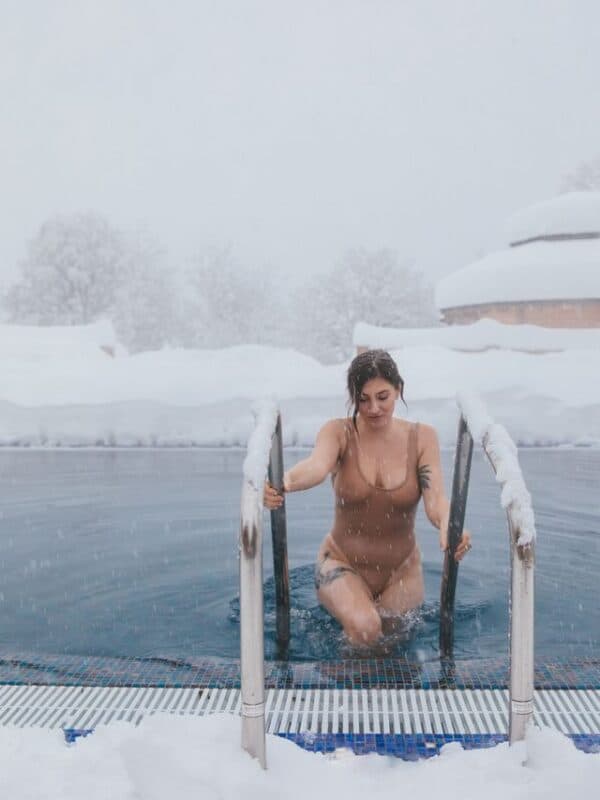
Cold Plunge Guide Recommends 45 to 50 Degrees for Recovery
Forty-five to 50 degrees is the new recovery sweet spot, but the smarter move is matching water temp, soak time, and your soreness goal.
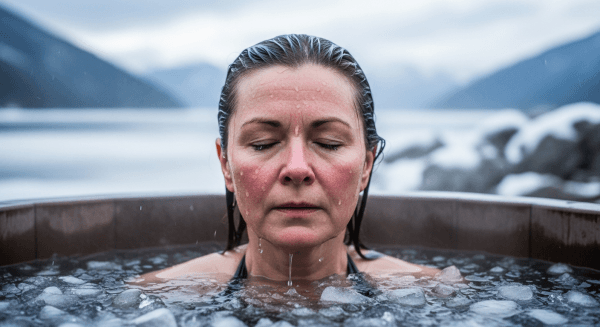
What this new temperature guide changes
Collective Relaxation is cutting through the one-upmanship that has taken over cold plunges. Its new temperature guide is aimed at athletes and fitness enthusiasts who want a more repeatable way to handle delayed onset muscle soreness after hard training, and it treats the plunge like a recovery tool, not a dare.
That shift matters because the question has changed. It is no longer just whether cold water works. It is how cold you actually need it to be, how long you should stay in, and how to build a routine that you can repeat without turning every session into a test of willpower.
Why 45 to 50 degrees stands out
The guide’s headline recommendation is 45°F to 50°F for experienced users. That range is framed as the point where the body gets enough cold stress to trigger the response people are looking for, without sliding into unnecessary punishment.
The logic is physiological as much as practical. The company ties cold immersion to norepinephrine release and vasoconstriction, effects that may help limit inflammation in damaged muscle tissue. In plain terms, the plunge is meant to change the recovery environment, not just make you tough enough to survive the water.
That is a notable departure from the common home-plunge mentality that colder automatically means better. The guide pushes the opposite lesson: precision beats bragging rights, and the right temperature depends on your recovery goal.
What the research says about soreness relief
The evidence base is real, but it is not gospel. Cochrane’s review included 17 trials and 366 participants, defined cold-water immersion as water colder than 59°F, and found some evidence that it can reduce delayed onset muscle soreness compared with passive recovery. The catch is quality: the overall evidence was low.
The timing matters too. That review pointed most strongly to the 24 to 72 hours after exercise, which is exactly when soreness tends to peak after a brutal session. A more recent summary from the American Academy of Family Physicians says the most consistent benefits come from short immersions, under 10 to 15 minutes, at temperatures below 59°F, especially for perceived recovery and soreness in the first 24 hours after high-intensity or resistance work.
The American College of Sports Medicine adds another useful frame: cold water immersion is the most studied cryotherapy method and the one athletes use most often across competition levels. Even so, its proposed mechanisms still mix theory and evidence, from pain-pathway effects to reduced inflammation, which is why the most useful advice is still protocol-based rather than mystical.
How to choose your own settings
The easiest way to use the guide is to match the plunge to the job you want it to do. If your main goal is soreness relief after a hard lift, sprint, or field session, the evidence favors short immersions below 59°F, with 45°F to 50°F sitting in the more assertive end of the range for experienced users.
If you are still building tolerance, start with the warmer end of the accepted cold-water range and keep the session short. Progression is the point here: the guide treats cold exposure like training, something you adapt to gradually instead of trying to win on day one.
A simple decision framework looks like this:
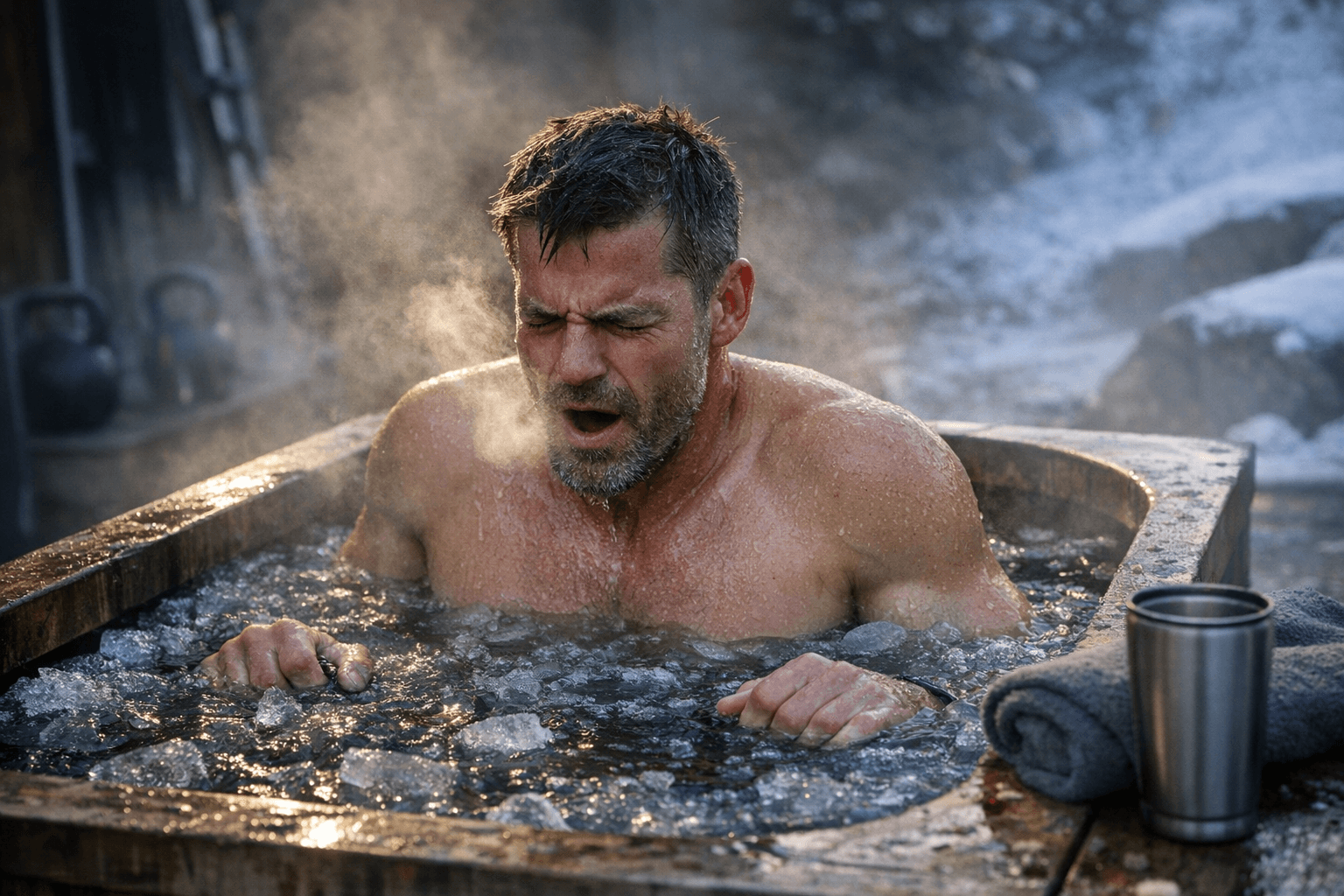
- DOMS is the priority: aim for a short soak, under 10 to 15 minutes, in cold water below 59°F.
- You are experienced and want a stronger recovery stimulus: 45°F to 50°F is the guide’s target zone.
- Your tolerance is still low: stay on the warmer side of cold and build down slowly.
- Your goal is performance, not just soreness relief: temperature may need to change, because not every outcome responds the same way.
That last point is important. A 2025 network meta-analysis found that 10 to 15 minutes in 11°C to 15°C water was most effective for reducing DOMS, while 5°C to 10°C water ranked best for jump performance and lowering creatine kinase. In other words, the coldest bath is not always the best bath, unless the specific outcome you want happens to reward colder water.
What to prioritize in a home setup
For people deciding whether a home plunge is worth building, the guide points toward control, not excess. If you can set a target temperature, measure it reliably, and keep session length consistent, you are already ahead of the usual guesswork. A thermometer, a stable tub, and a repeatable timer matter more than trying to chase icy extremes.
That is where the broader market is headed: less hype, more protocol. Cold plunges are becoming a precision habit, something you can actually dose based on soreness, training load, and recovery window instead of social media folklore.
Safety is part of the protocol
The temperature range that sounds manageable on paper can still feel severe in real life. Washington State’s public-health guidance defines cold plunges as artificial basins with cold water typically between 10°C and 15°C, or below 59°F, and the National Weather Service warns that cold shock can be dangerous even in water as warm as 50°F to 60°F.
That warning matters because the guide’s 45°F to 50°F recommendation sits inside a zone where inexperienced users may feel acute respiratory stress. Shared tubs bring another issue: public-health sources note that cold water can reduce disinfectant effectiveness and raise sanitation concerns, so cleanliness and water management are not optional extras.
A practice with old roots and a new language
Cold plunging may look like the latest wellness obsession, but it has deeper roots. The National Association of County and City Health Officials says U.S. hydrotherapy practices using warm baths and cold-water plunges were common from the 1800s through 1935, and modern cold-plunge culture later re-emerged through Scandinavian, Baltic, Finnish, and Japanese traditions.
What feels new now is the language around it. The conversation has moved from ritual and toughness to dosing, recovery windows, and measurable results. That is why the 45°F to 50°F recommendation lands well: it gives plunge users something concrete to work with, and it shifts the whole category toward repeatable recovery instead of performative suffering.
This article was produced by Prism’s automated news system from verified source data, official records, and press releases, then run through automated quality and moderation checks before publishing. The system is built and supervised by the people who set the standards it runs under. Read our full AI policy.
Did this article answer your question?