Cold plunge tub market grows as smart tech reshapes demand
Smart controls, easier upkeep, and bundled sauna-plunge setups are turning cold plunges from a niche recovery buy into a cleaner home-wellness purchase.
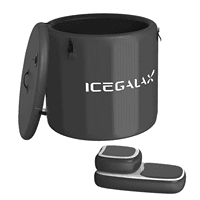
The market story is really a buyer-experience story
The cold plunge tub market is not growing because people suddenly love icy water more than they did last year. It is growing because the experience itself is getting easier to buy, easier to run, and easier to live with. The real change is not just colder water, but smarter systems, simpler maintenance, and setups that feel less like a stunt and more like a fixture in a home wellness routine.
That is the useful correction hidden inside all the market-map language. Accio frames cold plunge as a category being pulled forward by wellness awareness, fitness infrastructure, and technology upgrades, but the consumer payoff is more concrete than the buzzword stack suggests. Buyers are moving toward tubs that can be monitored, controlled, and maintained with less friction, and that shift is reshaping what feels worth paying for.
Search interest is pointing at the tub itself
One reason this story matters now is that demand is showing up in search behavior, not just in brand decks. Google Trends describes its platform as a way to explore interest by time, location, and popularity, and public trend pages for “cold plunge” in the United States show that the topic remains actively searched. That does not prove every search turns into a sale, but it does show the category is still living in consumers’ heads as an object they want to compare, price out, and understand.
Accio’s read of that behavior is sharper than a generic wellness roundup. It suggests people are increasingly focusing on the tub itself rather than the broader therapy system, which is a meaningful sign for the market. In practice, that means the buyer is no longer just shopping for a recovery ritual, but for a product with features, upkeep, and a place in the house or gym.
Smart tech is changing what “premium” means
The most important product shift is the move toward smart-tech integration. IoT-enabled controls and energy-efficient systems are becoming part of the next generation of cold plunge products, and that changes the buying logic in a very direct way. A connected tub that is easier to monitor and maintain is not just a nicer gadget, it lowers the daily burden of ownership.
That matters because cold plunge has always had a hidden labor cost. Water temperature, filtration, cleaning, and power use all shape whether a tub becomes part of a routine or turns into a backyard regret. When brands build around connected controls and easier maintenance, they are not just adding features, they are removing the reasons people abandon the purchase after the first month.
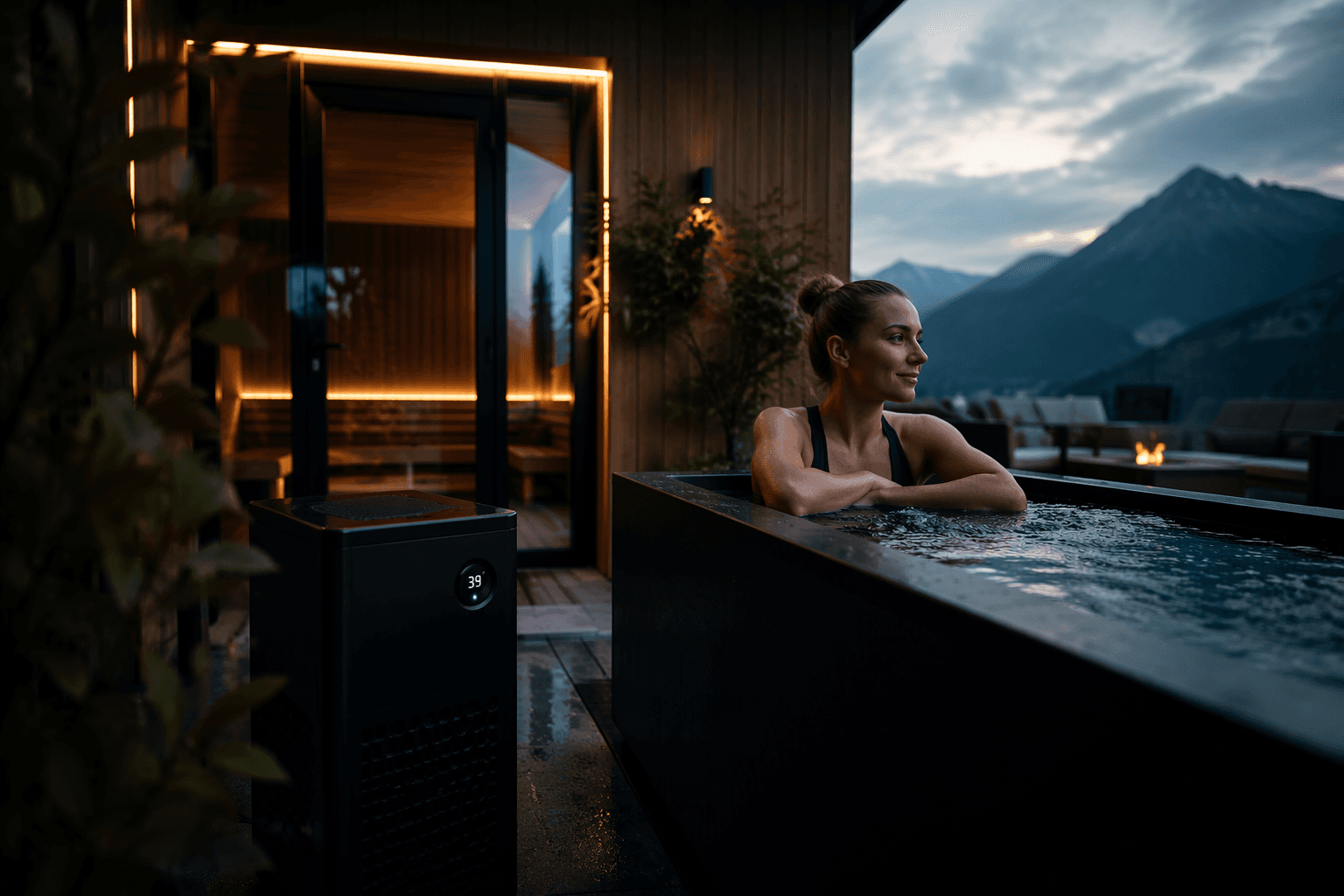
A few buyer-facing changes stand out:
- Smarter temperature control, so the tub is ready when you are
- Easier maintenance, so upkeep does not become the main hobby
- Energy-efficient systems, which matter more as the tub becomes a permanent home fixture
- More predictable performance, which helps the experience feel premium instead of improvised
That is why the market is moving toward colder, smarter, more predictable products. The appeal is not icy suffering for its own sake. It is a cold plunge that behaves the way a serious piece of home wellness equipment should.
The money is following a larger wellness infrastructure wave
The market numbers back up the sense that this is becoming a real consumer segment. Grand View Research estimates the global cold plunge tub market at USD 354.6 million in 2025, with growth to USD 659.9 million by 2033. Its sauna market estimate is even larger, at USD 954.3 million in 2025, rising to USD 1,556.8 million by 2033. Taken together, those figures point to a wellness infrastructure story, not a fad isolated to a few recovery obsessives.
That broader context matters because cold plunge is increasingly sold beside sauna, contrast therapy, and recovery gear rather than as a standalone novelty. The category looks less like a single product and more like a package of upgrades to the way people build a home gym, outdoor retreat, or recovery corner. Once the market is mapped that way, it makes sense that bundled systems and paired setups are gaining traction.
Bundled sauna-plunge setups are where the category feels most real
The most convincing business move in the category is not a slogan about biohacking. It is the bundled sauna-plunge setup, where the cold experience is sold as part of a complete recovery environment. That pairing is powerful because sauna has its own research backdrop and its own cultural momentum, which gives cold plunge a more legible role inside an already familiar routine.
PubMed-indexed reviews note that sauna bathing has been associated in prior studies with cardiovascular benefits such as improved endothelial function and reduced blood pressure. That helps explain why cold plunge is increasingly marketed as a complement to heat, not just a standalone shock to the system. For buyers, the draw is simple: the experience feels more coherent when the hot and cold pieces are designed to work together.

Safety and scrutiny are rising with the category
The cleaner, smarter, more premium pitch sits alongside real safety pressure. The U.S. Consumer Product Safety Commission announced a March 26, 2026 recall of DIY Cold Plunge sauna heater kits after receiving 12 reports of overheating. The recalled units were sold online from March 2025 through February 2026 for between $400 and $500, and no fires or injuries were reported in the notice.
That recall matters because it shows how quickly home wellness can slide from aspirational to regulated once electrical components and DIY assembly enter the picture. The market may be growing, but the products are also becoming more exposed to scrutiny as more people bring them into basements, garages, patios, and commercial spaces. Growth is not a substitute for reliability, and buyers are learning to read the category that way.
The CDC’s warning is part of the same reality check. It says immersion hypothermia from cold water can develop much more quickly than standard hypothermia, and that hypothermia can occur in any water temperature below 70°F. In other words, the category is maturing, but the physical risk is still very real, which makes design choices, instructions, and controls more than cosmetic details.
The science helps explain the staying power
The evidence base around cold-water immersion is mixed, but it is not empty. A 2012 Cochrane review found some evidence that cold-water immersion reduces delayed-onset muscle soreness compared with passive recovery, and a 2025 systematic review and meta-analysis continues to examine recovery from exercise-induced muscle damage. PubMed-indexed research in 2025 also looked at balance and postural control in healthy young adults, which shows the field is still being studied from multiple angles.
That matters because it gives the category a durable sports-recovery backbone even as it broadens into general wellness. People do not need perfect certainty to buy a tub, but they do need enough credibility to justify the ritual. The science, the product upgrades, and the market growth all point in the same direction: cold plunge is becoming less like a dare and more like a designed experience.
The smartest brands seem to understand that the winning tub is not the one with the loudest hype. It is the one that makes the plunge easier to control, easier to maintain, and easier to repeat, because that is where the buyer experience is really changing now.
This article was produced by Prism’s automated news system from verified source data, official records, and press releases, then run through automated quality and moderation checks before publishing. The system is built and supervised by the people who set the standards it runs under. Read our full AI policy.
Did this article answer your question?