Cold plunge tubs shift from novelty to appliance-like purchases
Cold plunge tubs are getting priced and specced like appliances, and the middle of the market is where buyers now have the most leverage.

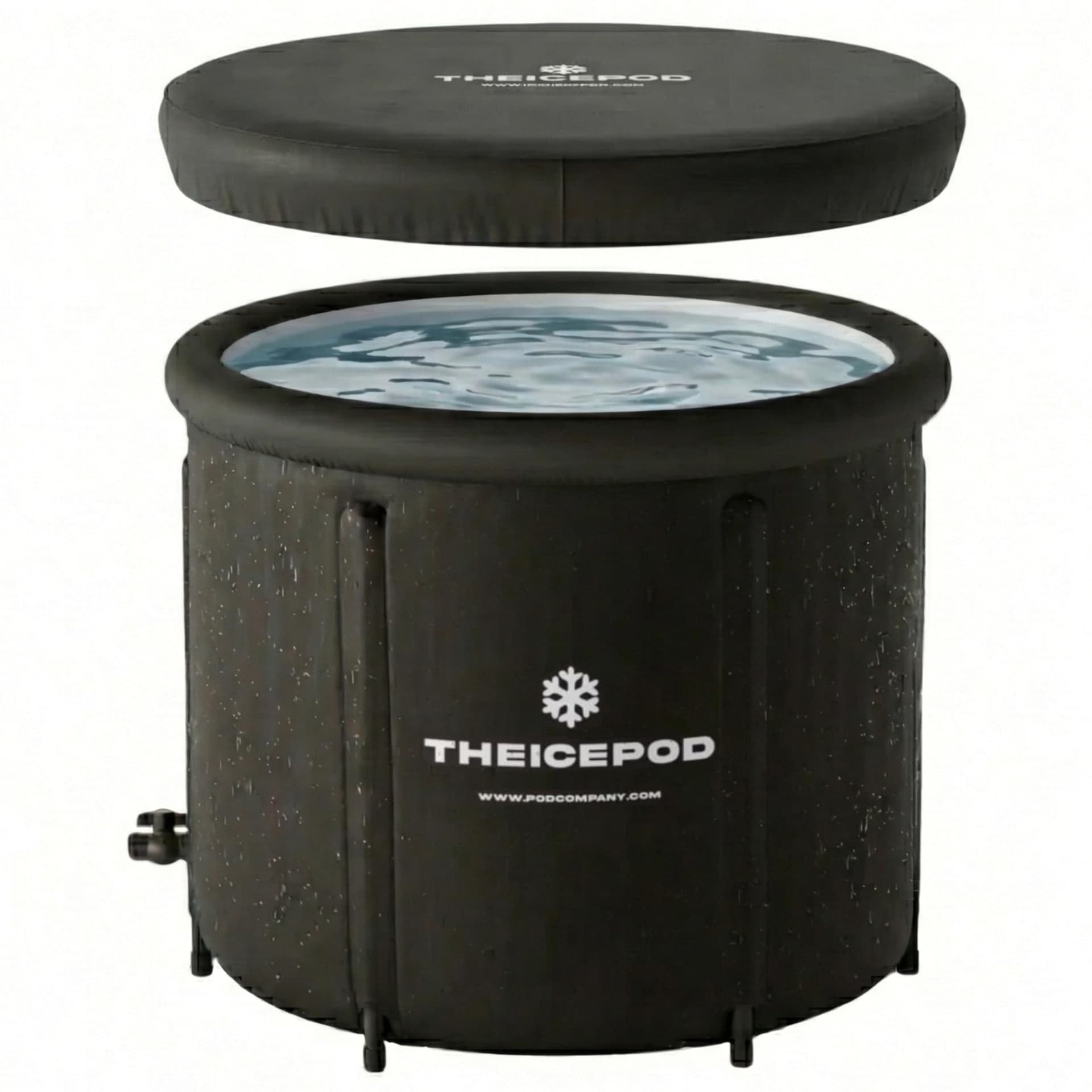
Grand View Research projects the global cold plunge tub market at $354.6 million in 2025, and shopping for one is starting to look less like buying a wellness toy and more like comparing a refrigerator or a dehumidifier. Chillers are moving into the middle of the market as a baseline expectation, hard-sided acrylic and steel tubs are edging out soft-sided setups, and the real decision is shifting to insulation, filtration, temperature consistency, and serviceability.
The category has stopped behaving like a fad
Grand View Research projects the market will rise to $659.9 million by 2033, while the U.S. market is expected to reach $199.6 million over the same period. The commercial side is already the bigger engine, with Grand View’s 2025 breakdown showing commercial tubs at $288.7 million globally and hospitals and medical centers at $103.3 million.
SweatDecks tracked Google Trends interest in “cold plunge” tripling between 2021 and 2023 and staying elevated into 2025, while Data Bridge Market Research valued the colder-water pools market at $298.1 million in 2021 and $409.0 million by 2029, with much of the demand coming from healthcare and fitness facilities.
What changed in the tubs themselves
The biggest product shift is that active chilling is no longer a luxury add-on at the top. In 2025 and 2026, buyers increasingly expect a built-in chiller even in the middle of the market, and smart controls are trickling into more affordable models instead of staying locked inside the premium tier. That changes how you shop: the old question was whether the tub looked cool; the new one is whether it can hold temp, clean itself well enough, and survive regular use without turning into a maintenance headache.
HomePlunge announced the Bella in March 2026 as a compact 1/2 HP chiller aimed at a more accessible price point and built to convert a standard bathtub without ice, plumbing, or a separate tub. Sun Home Saunas followed with portable inflatable models using 1HP smart chillers that can reach 32°F, plus automated sanitation and app control in its higher-end systems.
Where you can save money, and where you probably should not
The price spread is wide enough now that there is no single “normal” cold plunge budget. PR Newswire’s 2026 roundup listed the no-electricity Ice Barrel around $1,150, the value chiller category around $1,190 to $4,990, and premium stainless systems near $14,000.
What that means in practice:
- If you want the cheapest entry, the no-electricity route keeps capital cost down, but you are trading away convenience and temperature precision. The Ice Barrel’s ~$1,150 price is the cleanest example of that tradeoff.
- If you want plug-and-play use, the middle of the market is where the pressure is strongest. Mainstream chiller setups run around $1,190 to $4,990, which is exactly the band where buyers now have leverage because the category is fragmented and brands are competing on features.
- If you want the “buy it once, use it daily” experience, premium systems are now making a clearer case for themselves with app control, sanitation, insulation, and cold performance that reaches 32°F. Sun Home’s $13,999 Cold Plunge Pro and its 1HP smart-chiller lineup show where the ceiling still sits.
- If you are trying to lower the barrier without going fully manual, HomePlunge’s compact 1/2 HP Bella is the kind of product that makes the category feel reachable for apartments, smaller bathrooms, and first-time buyers.
The smart upgrades that actually matter
The best upgrade is still the boring one: a chiller that holds temperature consistently. The chiller is the heart of the setup, and SweatDecks puts installation at roughly a third of the project cost once you factor in concrete, electrical work, and drainage.
After that, the features worth paying for are practical, not flashy. Filtration, sanitation, insulation, drainage, and serviceability matter because they decide whether the tub is easy to keep in rotation or whether it becomes a weekend chore. Sun Home emphasizes filtration and sanitation, and the broader market is moving toward hard shells that are easier to live with than soft-sided tubs.
What the health guidance says, and what it does not
The medical guidance still trails the market hype. Evidence for claims like stress relief and better sleep is thin, and Harvard Health warns that people with cardiovascular disease, especially heart rhythm abnormalities, should avoid cold plunges. Harvard Health puts most ice baths typically around 50°F to 60°F.
Mayo Clinic says cold-water immersion may help reduce post-exercise inflammation and soreness, but the evidence remains limited. A 2025 PLOS One systematic review and meta-analysis found that cold-water immersion may affect psychological, cognitive, and physiological outcomes in healthy adults.
Why the category keeps spreading
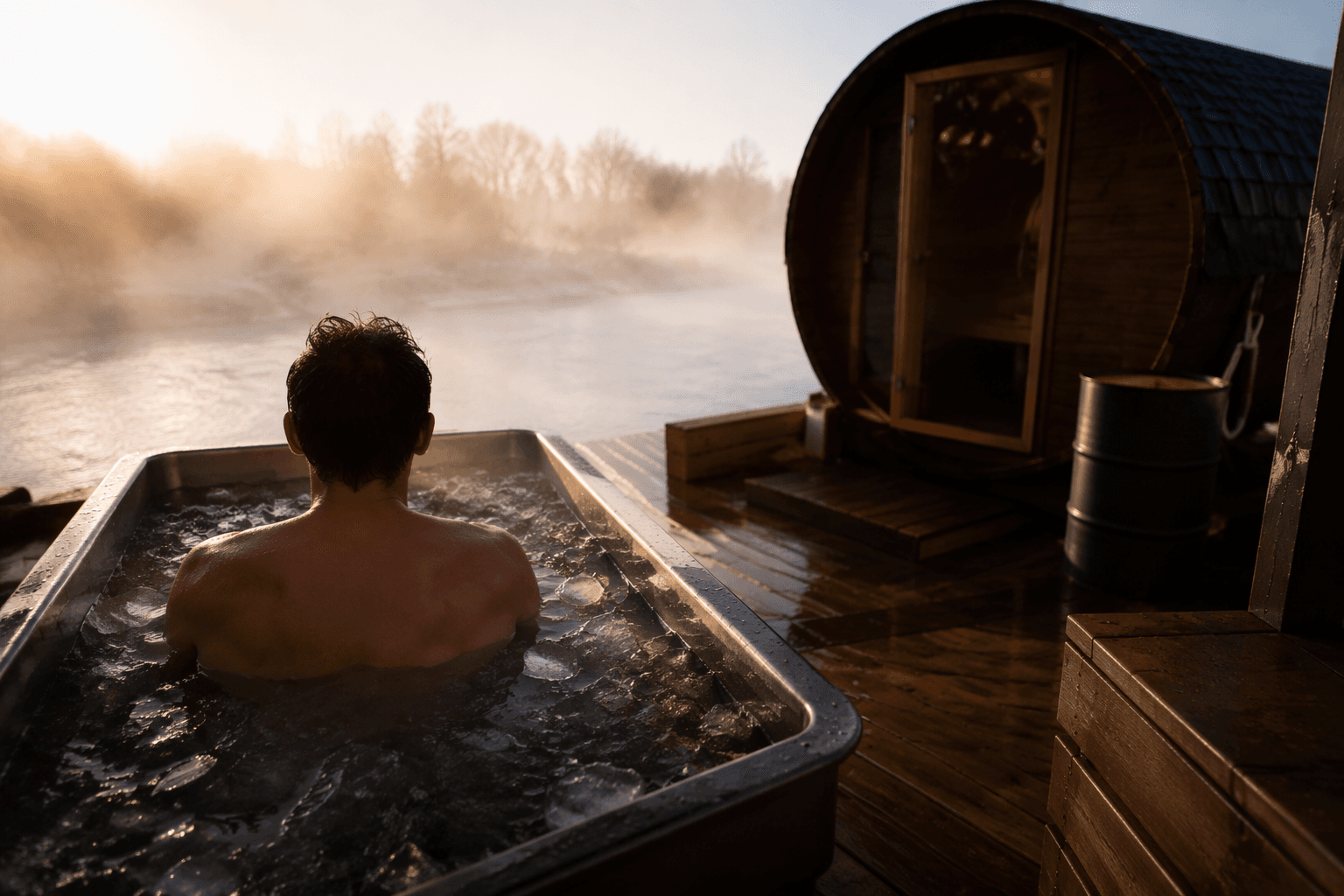
Cold plunges now show up in gyms, wellness resorts, hotels, and hospital-adjacent settings across the United States. Mayo Clinic credits Wim Hof with helping turn icy immersion from a once-a-year New Year’s ritual into a mainstream wellness trend.
This article was produced by Prism’s automated news system from verified source data, official records, and press releases, then run through automated quality and moderation checks before publishing. The system is built and supervised by the people who set the standards it runs under. Read our full AI policy.
Did this article answer your question?