Cold Plunges Trigger Vagus Nerve Calm, But Evidence Remains Mixed
When anxiety spikes, a cold face splash or ice pack can nudge calm fast. Full plunges may feel dramatic, but the evidence for instant relief is still mixed.
What can someone do in 30 seconds when anxiety spikes?
Start with cold on the face or upper chest, not a full-body plunge. A face splash, a cold pack held under the arms, or cold water applied to the cheeks and neck can create a fast shift in heart rate and breathing without asking your whole body to absorb the shock of an ice bath. That matters because the quickest option is not always the most intense one, and intensity is not the same thing as useful calm.
The cold-plunge world often sells one big promise: instant reset. The reality is more specific. Cold exposure can create a real autonomic jolt, but the best-supported rapid effects come from targeted cold stimulation that can influence vagal pathways, rather than from the idea that every plunge produces immediate mental clarity on command.
Why cold changes the body so quickly
Cold exposure grabs the nervous system immediately. Harvard Health notes that the first hit of chilly water can trigger the sympathetic fight-or-flight response before any later sense of relaxation arrives. That is why a plunge can feel bracing, noisy, and almost confrontational at first, even for people who swear by them.
The calming side of the story comes from the vagus nerve and the parasympathetic system. Researchers describe the diving reflex as a built-in response that can slow heart rate while also constricting peripheral blood vessels, creating a mixed sympathetic and parasympathetic reaction. In plain language, the body can both brace and settle at once. That is part of why cold face work, ice packs, and plunges keep showing up in conversations about stress relief.
David H. Rosmarin, the Harvard-trained psychologist often cited in this space, has helped push the idea that a quick cold stimulus may interrupt spiraling stress by shifting attention and physiology at the same time. The appeal is obvious: it is immediate, simple, and available without special equipment.
Full plunge, ice pack, or face splash: what feels fastest
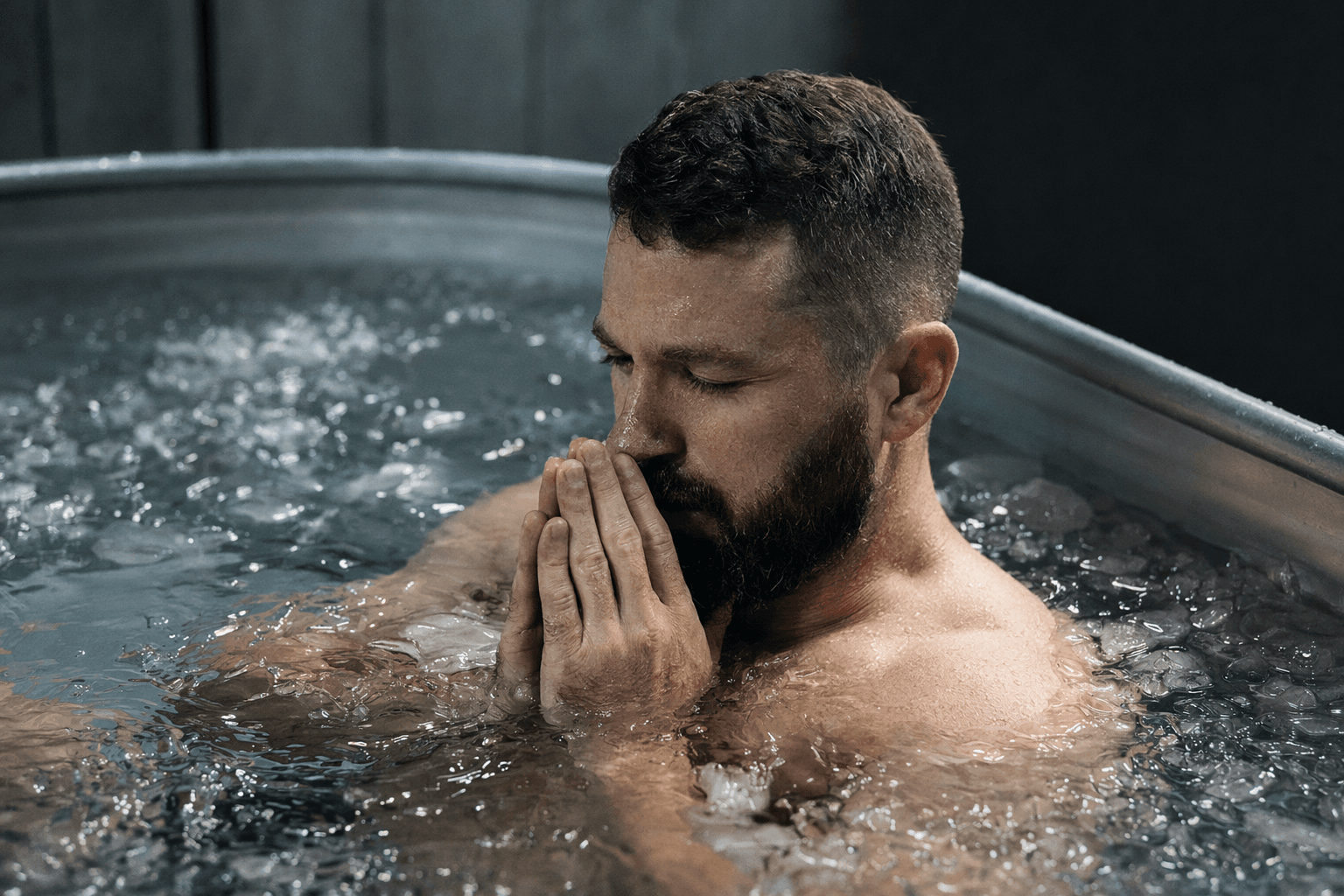
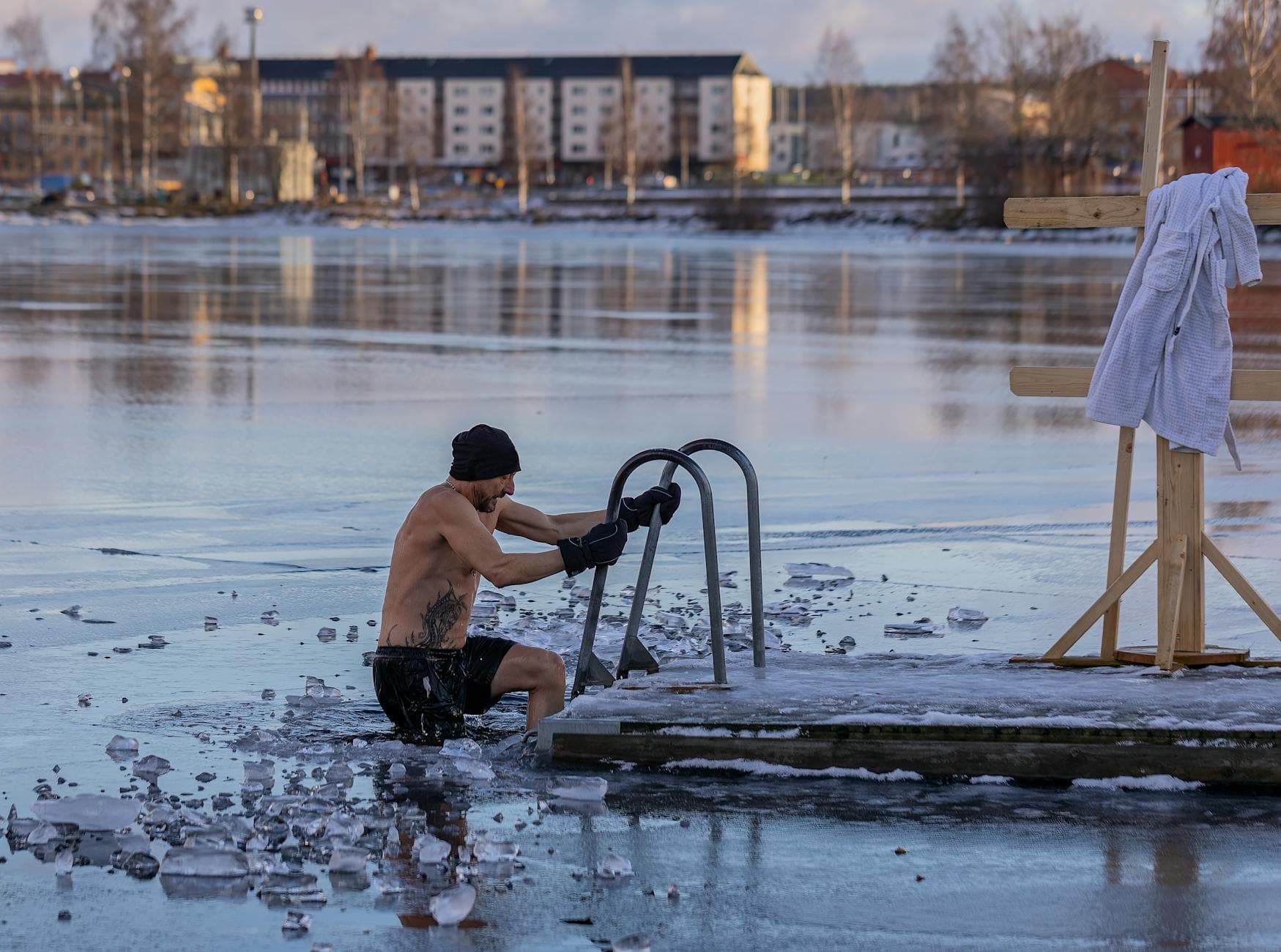
A full plunge is the most dramatic option, but not always the most practical for acute anxiety. Cold-water immersion is generally defined in recent research as a cold shower, ice bath, or plunge at 15°C, 59°F, or colder for at least 30 seconds. That threshold helps explain why the plunge gets talked about as the “real” version of the practice, yet it also highlights the trade-off: the stronger the immersion, the harder the initial shock.
An ice pack under the arms is less theatrical, but it can be a clever shortcut. The underarm area sits close to major vessels and can be easier to tolerate than submerging your whole body, which makes it useful when your goal is fast interruption rather than a full cold plunge session. It is also more realistic in the middle of a stressful day, when you may have 30 seconds, not a tub.
A cold face splash or a face-only cold stimulus is the most plausible choice if the goal is a quick vagal nudge. Nature Scientific Reports reported that applying cold to the face through the Cold Face Test activated the parasympathetic nervous system and produced immediate heart-rate decreases. That is the kind of detail that matters for people looking for a rapid reset, because it suggests you may not need a full immersion to get a measurable shift.
What the evidence supports, and what it does not
This is where the hype meets the data. A 2025 systematic review and meta-analysis found that cold-water immersion in healthy adults, including cold showers, ice baths, and plunges, has become popular as a health and wellbeing intervention, but the evidence for psychological, cognitive, and physiological benefits remains limited. Some studies point to short-term improvements in stress and sleep, but the overall picture is fragmented.
Harvard Health takes a similar line. It says cold-water therapy may temporarily lower stress, improve sleep quality, and slightly improve quality of life, while finding little evidence for meaningful improvements in mood or immunity. That distinction is important. Temporary calm is not the same as a durable treatment, and a short-lived drop in stress signals is not proof of broad mental-health benefit.
The face-cooling research is stronger when the question is immediate physiology. A 2010 PubMed-indexed study involving 33 healthy male subjects examined Cold Face Test-induced vagal stimulation during a stress task and assessed heart rate, respiratory sinus arrhythmia, salivary cortisol, and mood. That setup matters because it links cold facial stimulation to both autonomic markers and stress physiology, not just subjective feeling.
A 2019 PMC study added another useful clue: cold stimulation of the cheek and neck increased cardiac vagal activity more than stimulation of the forearm. That suggests location matters. If the goal is rapid nervous-system influence, the face and neck appear more promising than a random cold patch on the arm.
Why athletes keep using it anyway
Cold-water immersion is still widely used by athletes after exercise, and for good reason: it is easy to justify when soreness, fatigue, and recovery are on the line. But the debate has not gone away. Long-term benefits and dose-response remain unsettled, which means the same plunge that feels restorative to one person may be doing something quite different physiologically for another.
That uncertainty is part of the story’s appeal and part of its caution. The cold plunge is popular because it is immediate and experiential. The evidence base is still catching up, which is why the community keeps arguing about whether the effect is recovery, stress relief, habit, or plain old tolerance to discomfort.
Safety comes before the reset
Cold exposure is not harmless, especially when people chase longer sessions or deeper intensity. A recent PubMed review notes that immersion in cold water can alter cardiovascular state, and prolonged immersion can become life-threatening. In the worst cases, that means hypothermia or death, not wellness.
That is why “more cold” is not the right reflex for acute stress. If you are using cold to interrupt panic or overwhelm, the safer logic is brief and targeted: face, neck, or underarm cold first, then stop. The body’s response can be strong even when the exposure is short, and the point is to nudge physiology, not overwhelm it.
A practical 30-second sequence
If anxiety spikes and you want the fastest cold-based option, the most sensible order is simple:
1. Splash cold water on the face or apply cold to the cheeks and upper face.
2. If that is not enough, add a cold pack under the arms or against the sides of the neck.
3. Keep the exposure brief, then return to slow breathing and notice whether heart rate and muscle tension ease.
That approach lines up best with the evidence: the face and neck have the clearest link to vagal activity, the response can be immediate, and you avoid turning a quick reset into a risky endurance test. The headline promise is not magic. It is speed, specificity, and a plausible pathway to calm that is real enough to matter, but not strong enough to excuse the hype.
This article was produced by Prism’s automated news system from verified source data, official records, and press releases, then run through automated quality and moderation checks before publishing. The system is built and supervised by the people who set the standards it runs under. Read our full AI policy.
Did this article answer your question?