Steve Magness Calls Out $8,000 Ice Baths, Says Use Cheap Ice Bags
Steve Magness is pushing back on $8,000 plunge tubs, arguing a couple of ice bags can still buy the same cold and less hype.
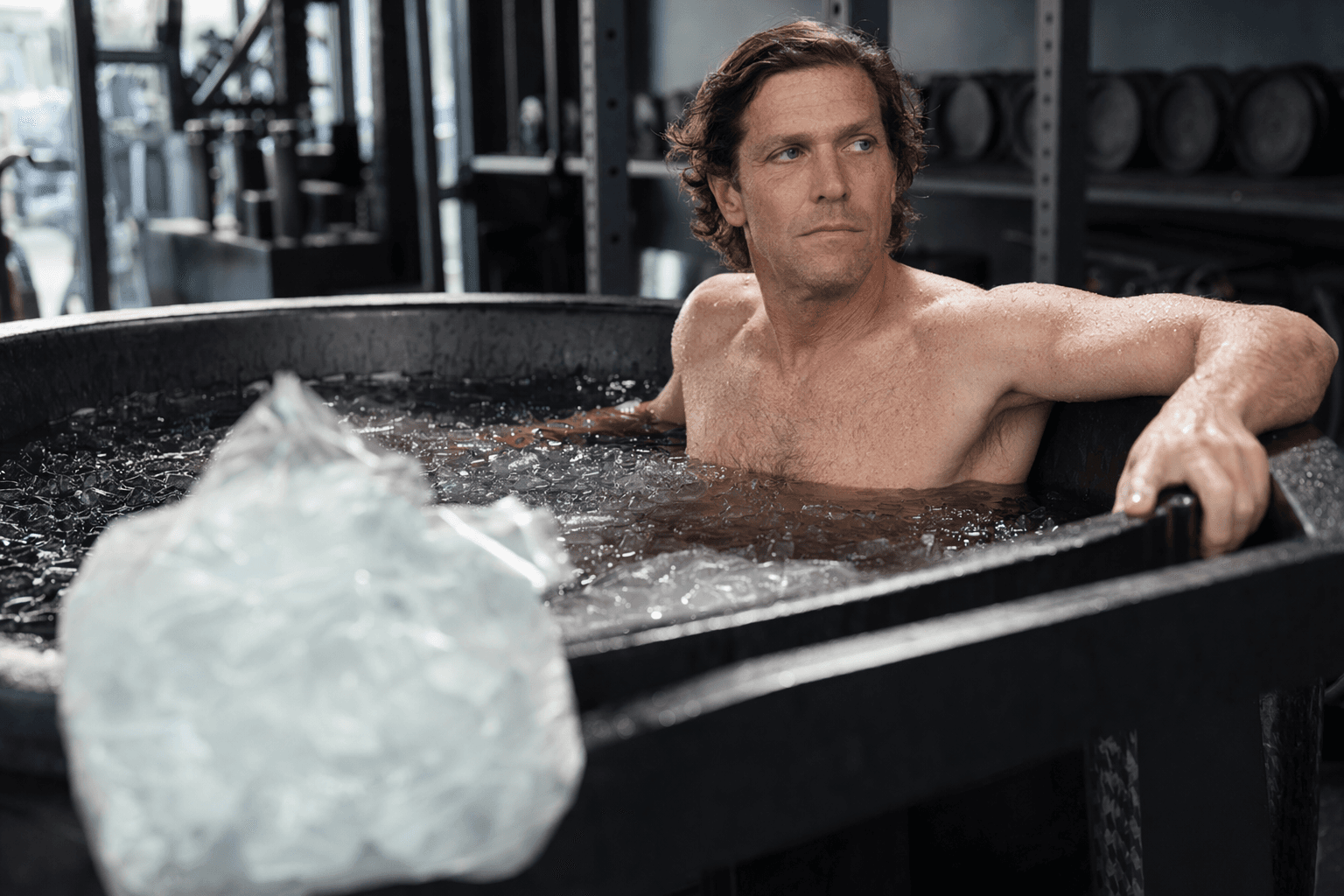
Steve Magness has put a blunt price tag on the cold-plunge boom: if the goal is just to get cold, an $8,000 tub is a hard sell when a few cheap ice bags can do the job. That argument lands in a market that has turned recovery into a retail category, with one 2025 report sizing the global cold plunge tub market at $354.6 million and another putting it at $0.87 billion, both pointing to fast growth.
The gap between the original practice and the new premium version is easy to see. A DIY ice bath is messy but immediate: fill a container, dump in ice, get in. A luxury tub promises app control, built-in chillers and self-cleaning systems, all of which make the ritual easier to repeat but also push the price far beyond the cost of the actual cold. In value terms, that extra spend buys convenience and polish more than a clearly different recovery effect.
That is where the science refuses to flatter the market. A 2023 systematic review in Sports Medicine found mixed results when studies compared cold-water immersion with passive recovery after exercise, including outcomes tied to athletic performance, perceptual measures and creatine kinase. The American College of Sports Medicine has said cold-water immersion is the most studied cryotherapy application and a common post-recovery tool across athlete levels, but its guidance also stresses uncertainty around benefits and risks.

More recent work has made the same point from another angle. A 2025 review in PLOS ONE said cold-water immersion has become popular as a health and wellbeing intervention among the general population, yet the payoff depends heavily on protocol and outcome measures. In plain terms, the thing people buy is not a guarantee of better performance. It is a controlled dose of cold, and control is what the premium market sells.
That makes the comparison with cheap ice bags sharper than any marketing video. The budget version gives less temperature precision and no sleek app, but it also avoids the maintenance, sanitation systems and repair costs that come with high-end tubs. The fancy setup may be cleaner and more convenient on a daily basis, but ACSM’s cold-weather guidance still warns that improper cold exposure can bring hazards including hypothermia and frostbite, which means the core question is not whether a tub looks impressive. It is whether the added cost changes recovery enough to justify the leap from a simple, low-cost habit to a luxury wellness purchase.
This article was produced by Prism’s automated news system from verified source data, official records, and press releases, then run through automated quality and moderation checks before publishing. The system is built and supervised by the people who set the standards it runs under. Read our full AI policy.
Did this article answer your question?