Cold Plunging Is Popular, but Experts Warn It’s Easy to Do Wrong
The real danger is not the ice bath itself. It is copying the colder, longer, lonelier version of the trend when the evidence says dose and context matter most.
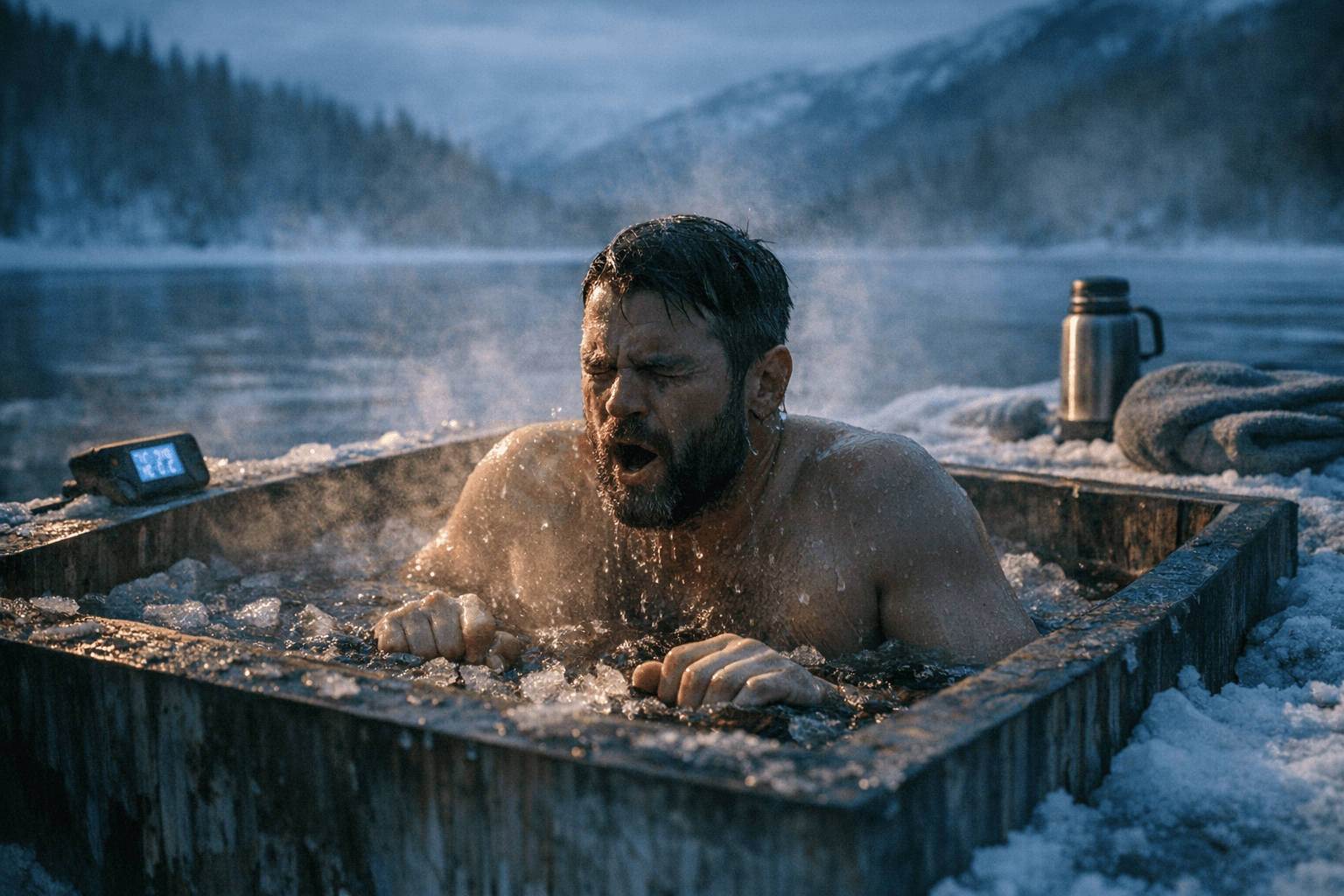
The three mistakes people copy fastest
The fastest way to turn a cold plunge from a recovery tool into a bad idea is to follow the internet's most extreme version of it. The first mistake is going too icy, too soon; the second is plunging alone as if bravery is a safety plan; the third is treating every workout, every body, and every bedtime the same.
That matters because cold water immersion is not one fixed ritual. The right protocol depends on the goal, the water temperature, the length of the session, the training block, and the health profile of the person getting in. The evidence does not support the idea that colder always means better.
- Too icy, too soon. Mayo Clinic Health System advises beginners to start with 30 seconds to a minute and work up gradually toward five to 10 minutes, while also measuring the temperature. That advice lines up with the warning from the American Heart Association that sudden immersion in water under 60 degrees Fahrenheit can be dangerous.
- Going it alone. Cold shock is not a personality test. Harvard Health says people with cardiovascular disease, especially heart rhythm abnormalities, should avoid cold plunges, and that risk is part of why solo sessions are a bad place to improvise.
- Using the plunge after every workout. If the goal is muscle growth, the timing can work against you. Cold water immersion may feel restorative, but immediately plunging after strength work can interfere with the adaptations many people are trying to build.
What the evidence actually supports
The strongest recent synthesis still reads like a cautious yes, not a roaring endorsement. A 2025 systematic review and meta-analysis from University of South Australia researchers looked at 11 studies with 3,177 participants and found possible short-term benefits for stress, sleep quality, and quality of life. It also found no significant immediate effect on immune function after cold-water immersion.
That same review included one study showing a 29% reduction in sickness absence among people who took cold showers, which is exactly the kind of result that keeps the conversation alive without settling it. The effect is interesting, but it does not turn cold plunging into a universal fix.
The broader literature is still uneven. A 2022 review screened the field down to 104 relevant studies, which shows how much attention cold water has attracted, but also how hard it has been to turn that attention into clear consensus. A 2021 review found 427 peer-reviewed studies on cold water immersion and muscle, yet only 31, or 7%, measured muscle strength before and after exercise and cold-water immersion. That gap explains why the recovery debate keeps going: the headline number is huge, but the useful data are much thinner.
Why the trend took off so quickly
Cold plunging has become a serious consumer category, with a market value above $300 million. That commercial growth says as much about culture as it does about physiology. Once a practice starts moving through social feeds as proof of discipline, people begin to confuse visibility with validity.
Wim Hof helped push icy plunges from a New Year’s novelty into a mainstream wellness habit, and that shift changed the tone of the whole conversation. The ritual now carries a heroic image, all breath work, grit, and ice chips. But the most useful framing is less cinematic: cold plunging is one tool among many, not an obligation and not a virtue contest.
That is where the myth-versus-reality split becomes useful. The myth says the coldest session is the best session. The reality is that the dose should match the person and the purpose. If the goal is reducing perceived stress, improving sleep, or adding a recovery ritual after hard endurance work, a moderate approach may make sense. If the goal is hypertrophy, and the plunge comes immediately after lifting every time, the ritual may be sabotaging the result.
How to use a plunge without copying the wrong version
The safest approach starts with a plain question: what are you trying to get out of this? If the answer is general recovery, the temperature does not need to be punishing. If the answer is muscle growth, the plunge should not be bolted onto every lift session by default. If the answer is better sleep, timing matters, because a very cold session too close to bedtime can work against rest.
A few rules keep the practice grounded:
- Measure the water and do not chase social-media cold.
- Start short, then build slowly rather than jumping straight into long holds.
- Do not plunge alone if you have any cardiovascular concern, especially a rhythm issue.
- Avoid treating cold water as a replacement for sleep, nutrition, or sensible training load.
- If the goal is adaptation, compare the protocol to the goal, not to what the loudest person online is doing.
That last point is where the evidence keeps pushing the culture back toward common sense. One expert in the broader discussion argues that the case for saunas may be stronger than the case for cold-water immersion when measured by adaptations and biomarkers. That does not mean cold plunges are useless. It means the evidence for heat may be clearer than the evidence for cold, which should make anyone suspicious of claims that more intensity automatically produces more benefit.
The bottom line
Cold plunging can be useful, but it is easy to overdo, easy to copy badly, and easy to turn into a status performance. The safest version is rarely the iciest one. It is the one that fits the athlete, the workout, the hour of the day, and the body getting in.
This article was produced by Prism’s automated news system from verified source data, official records, and press releases, then run through automated quality and moderation checks before publishing. The system is built and supervised by the people who set the standards it runs under. Read our full AI policy.
Did this article answer your question?