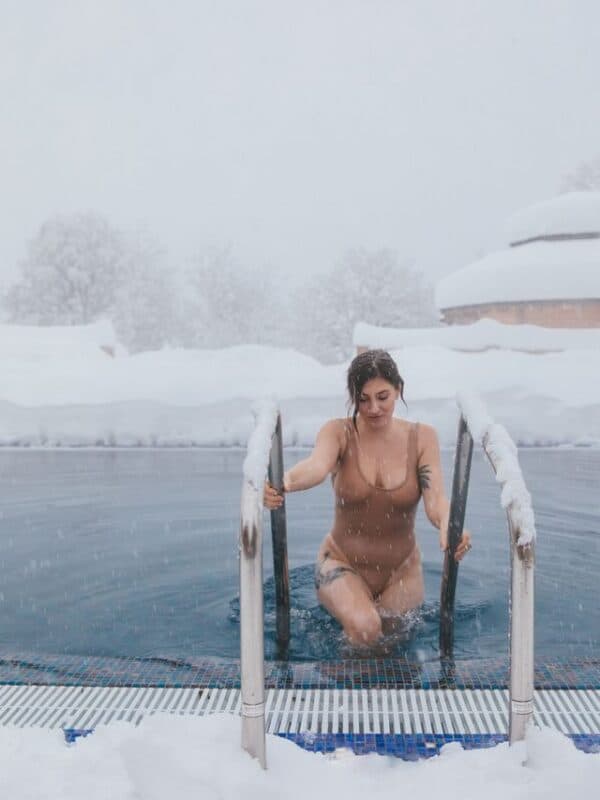
Cold water foot immersion may lower cortisol, early research suggests
A cold foot soak may nudge cortisol down, but the broader cold-plunge evidence still hinges on dose, timing and whether the whole body is actually in the water.
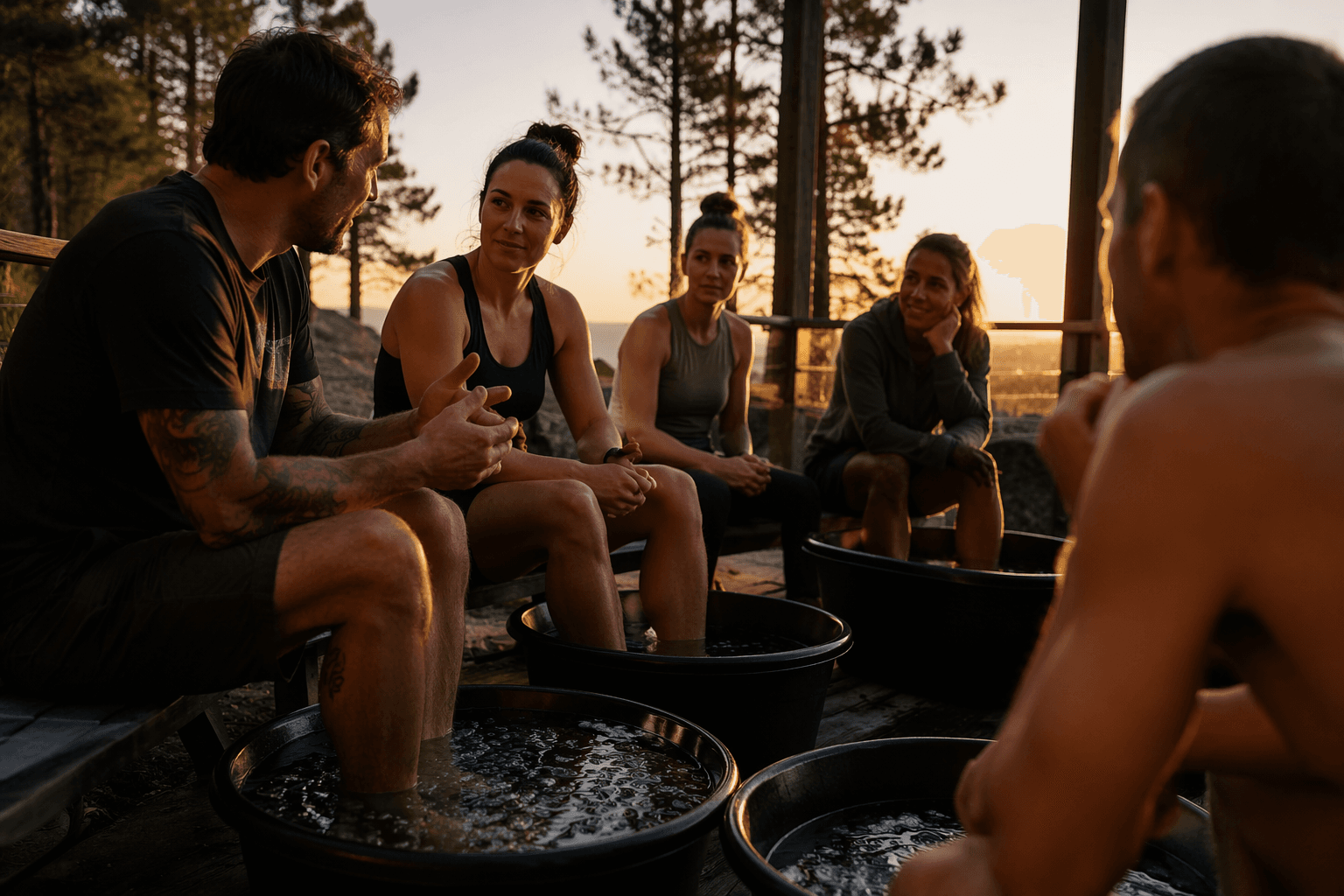
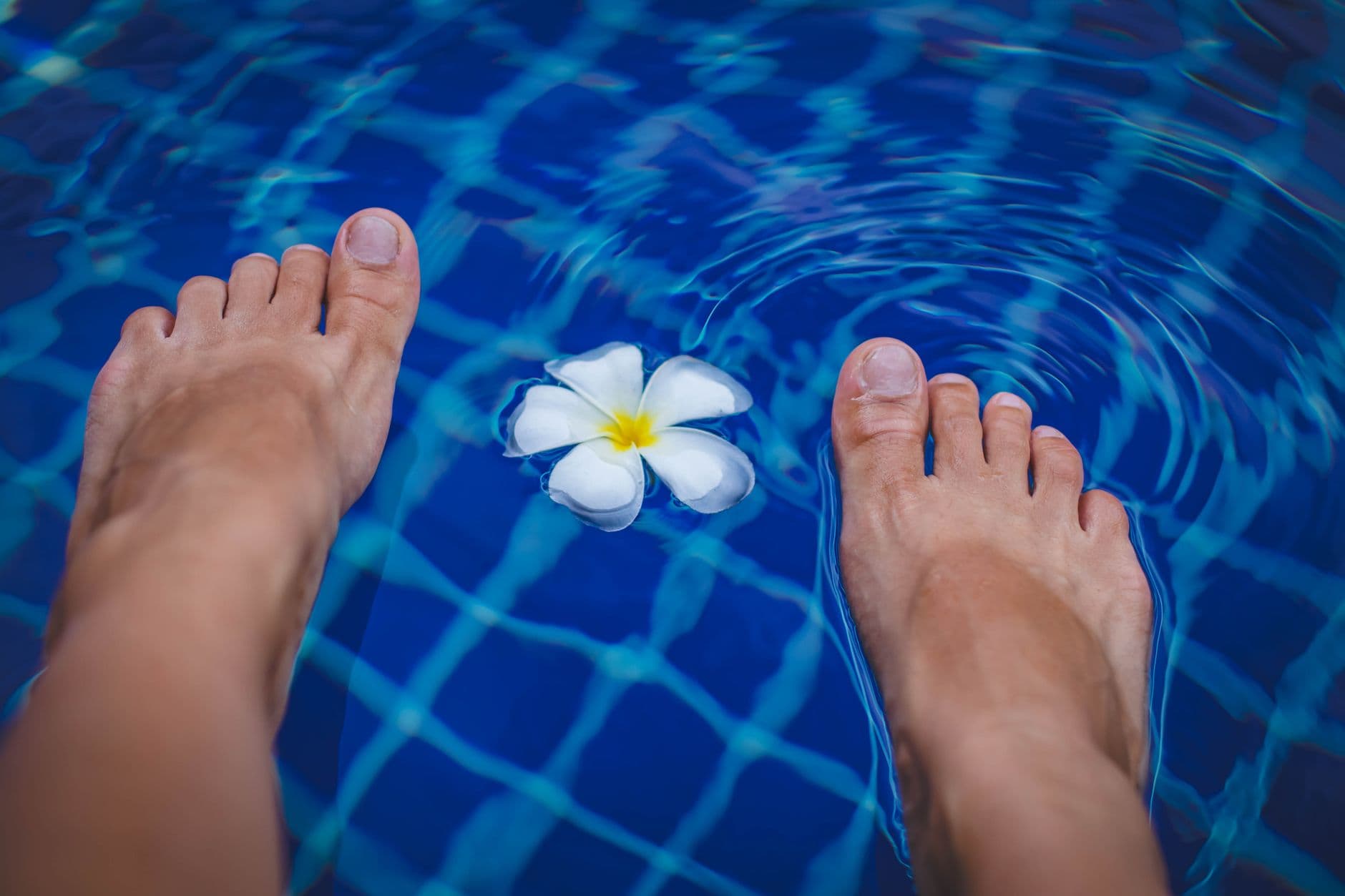
A cold foot soak is not an ice bath, but early results from Alpine water foot immersion suggest it may still push cortisol lower. That is the kind of finding that gets attention in the plunge world, where people are looking for any sign that cold exposure can do more than just take your breath away.
The bigger question is what this kind of result can really tell you about full-body cold. Foot immersion is a much narrower stressor than a plunge, and that matters when the conversation turns to recovery, stress control and wellness claims. It does not recreate the same load as sitting in chest-deep water, so it should be read as a clue, not a final answer.
The most recent broad evidence points to both promise and limits. A 2025 systematic review and meta-analysis in healthy adults, led by Tara Cain, Jacinta Brinsley, Hunter Bennett, Max Nelson, Carol Maher and Ben Singh, looked at 11 studies with 3,177 participants. It found that cold-water immersion may lower stress, improve sleep quality and improve quality of life. But the review also said the evidence base was limited and heterogeneous, and the protocols varied widely. The studies it included used cold showers, ice baths or plunges at water temperatures of 15°C or lower for at least 30 seconds.
That protocol detail is the heart of the matter. Cold water is not one single intervention. A quick shower, a full plunge and a foot immersion all expose the body differently, and that makes it harder to treat every positive result as interchangeable. Chris Minson, a University of Oregon professor who directs a human cardiovascular control lab and studies thermoregulation, heart health and exercise physiology, has been part of the university’s cold exposure coverage, which reported that a cold plunge in college students was linked with a significant reduction in cortisol, heart rate and blood pressure, plus better mood three hours later.
But cold does not always drive cortisol down right away. Older research on winter swimmers found the hormone rose within 30 minutes after cold-water immersion, then decreased later. In that study, cortisol increased from 99 ng/ml to 133 ng/ml in untrained participants and from 101 ng/ml to 137 ng/ml in cold-trained participants before falling afterward. That is why timing, duration, water temperature, sex differences and acclimatization all matter when people try to turn a cold exposure session into a wellness tool.
For ice-bath regulars, the foot-immersion result is interesting because it fits the larger story without overstating it. It suggests cold may be doing something real, but it also underlines the basic rule of the plunge pool: the protocol decides the outcome.
This article was produced by Prism’s automated news system from verified source data, official records, and press releases, then run through automated quality and moderation checks before publishing. The system is built and supervised by the people who set the standards it runs under. Read our full AI policy.
Did this article answer your question?