Commercial Cold Plunges Demand Stronger Chill, Better Sanitation, and Uptime
The real cold-plunge edge isn’t the aesthetics, it’s water that stays frigid, clean, and online after dozens of daily entries.
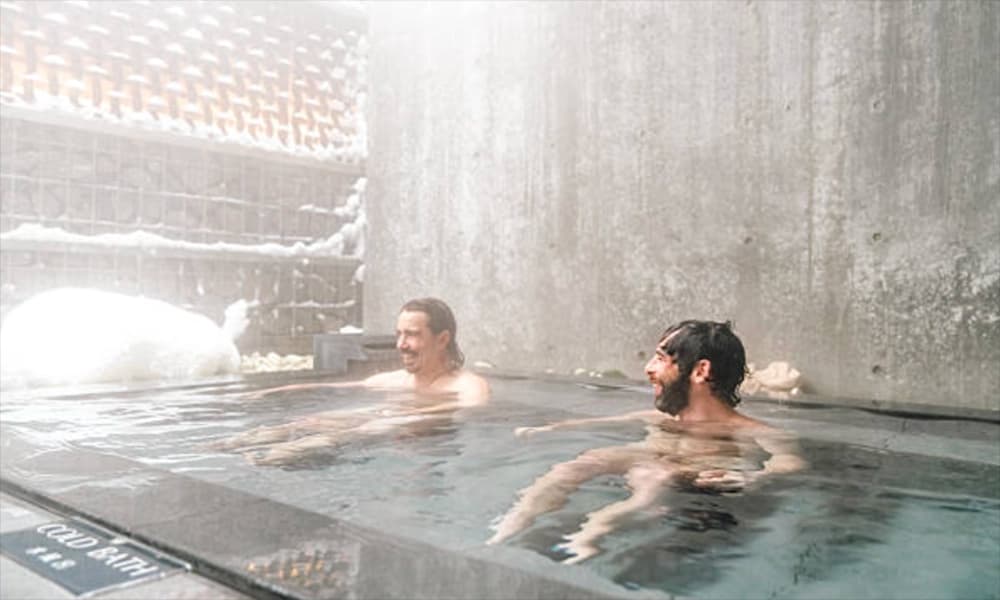
Why the best plunge rooms are built like utility systems
A commercial cold plunge is not a spa prop with a stronger logo. It is water infrastructure that has to survive repeated entries, hold temperature under load, and stay sanitary when the room is busy enough to turn a nice recovery feature into a daily operations problem. The buying mistake is usually the same: operators chase the lowest sticker price, then discover within the first 90 days that clarity fades, complaints rise, and the unit starts acting like a maintenance headache instead of an amenity.
That shift explains why the question has changed from whether a facility should add cold plunge at all to how it can add one that actually performs. In boutique gyms, recovery studios, and wellness-forward hotels, the plunge is moving from a differentiator to table stakes. If the water is warm, cloudy, or offline, members notice immediately, especially if they have used a high-end plunge elsewhere. The room can look polished and still fail where it matters most: water quality, turnover, and uptime.
What separates a commercial unit from a residential one
The commercial version has to do more than chill water on demand. It needs a stronger chiller, constant temperature control, and a setup that can handle heavy use without drifting out of spec. That means the conversation has to include footprint, filtration, sanitation, and service access from the beginning, not after installation.
Commercial facilities also need to think in cycles, not in aesthetics. Every dip adds load to the system, and every entry brings in skin oils, sweat, lotions, and whatever else members carry in with them. A unit that can sit pretty in a showroom may not be engineered for dozens of entries a day, which is why operators who buy on appearance alone often end up paying twice: once for the equipment, then again for the fixes needed to keep it usable.
The hidden burden is water, not the tub
The cold plunge itself is only the visible part. Behind it is a sanitation program that has to keep the water safe at volume, and that is where many facilities underestimate the workload. The more the plunge gets used, the more pressure there is on filtration, disinfection, and routine maintenance, because cold water does not make those demands disappear.
That point is reinforced by environmental public-health guidance on cold plunge tanks, which warns that cold temperatures do not eliminate microbial risk and can reduce disinfectant effectiveness. In plain terms, colder water is not automatically safer water. If the system is not designed and maintained properly, the very feature members came for can become the weak link.
Why public-health guidance matters even in a wellness room
The Centers for Disease Control and Prevention’s Model Aquatic Health Code is voluntary guidance for public aquatic venues, and its 5th edition was posted in 2024. The code was built to help public health programs reduce the risk of illness, injury, disability, and death at public aquatic facilities. That matters here because a commercial cold plunge behaves more like a public aquatic asset than a consumer wellness toy.
The lesson for operators is simple: if guests are sharing water, the facility needs documented sanitation, maintenance, and operational discipline. Cold plunge rooms may be marketed as recovery spaces, but the underlying standard is closer to aquatic-facility management. That is the difference between a feature that attracts members and a feature that quietly raises liability.
The business case is real, but so is the scrutiny
When the system is installed well, the upside is obvious. A cold plunge can help drive membership conversion, support premium pricing, and generate strong reviews from guests who expect recovery amenities as part of the package. In a crowded market, that can be the difference between a visit that gets renewed and one that gets skipped.
The scrutiny rises right alongside the payoff. Today’s members know what a good plunge feels like, and they know when it is off. Warm water, weak filtration, or downtime undermines the whole recovery promise, which means uptime is not a back-office metric anymore. It is part of the product.
The market is telling operators to get serious
The broader market shows why this category is moving from novelty to planning category. IBISWorld says there were 107,751 gym and health club businesses in the United States in 2026, and the industry’s market size grew at a 1.9% CAGR from 2020 to 2025. That is a huge base of facilities competing on experience, and recovery equipment has become one of the easiest ways to signal seriousness.
The product market is expanding for the same reason. Grand View Research estimated the global cold plunge tub market at USD 354.6 million in 2025 and projects it to reach USD 659.9 million by 2033. It also says the commercial segment accounted for 81.4% of the market in 2025, which makes the direction of travel clear: the business is being driven by operators, not just home users.
Hotels are part of that push too. Hospitality and fitness suppliers are increasingly targeting hotels, boutique studios, health clubs, and corporate wellness settings with wellness-oriented equipment packages. The message is not subtle: guests are more conscious of physical and emotional well-being, and properties are building fuller wellness ecosystems to match that expectation.

Cold plunge is old, but the modern standard is new
The practice itself is hardly new. A review of cold water therapy traces its roots back to around 3500 BC, with references also tied to Hippocrates around 400 BC. The difference now is not the idea of cold exposure, but the infrastructure around it. The old ritual has become a high-traffic commercial service, and that changes everything about how it has to be built and maintained.
A 2024 review found evidence from small interventional studies suggesting potential cardiometabolic and mental-health-related benefits of cold water therapy. That is part of why the category keeps expanding in the first place. But potential benefits do not excuse weak systems. If anything, they raise the bar, because a treatment-adjacent amenity has to be reliable enough to earn trust every day.
What to judge before you pay for a plunge space
If the plunge is going into a commercial setting, the right questions are operational ones.
- Can the chiller hold temperature under heavy use, not just when the room is quiet?
- Is filtration sized for volume, not just for appearance?
- Is the sanitation routine documented and realistic for the traffic the facility expects?
- Can staff keep the unit online without constant resets, leaks, or downtime?
- Does the layout allow the equipment to be maintained without disrupting the room?
Those are the details that separate a recovery asset from an expensive ornament. A good plunge room is not just cold. It is stable, clean, and dependable enough that members trust it enough to come back tomorrow.
The commercial cold plunge category is growing because it sits at the intersection of recovery demand, wellness branding, and facility competition. But the winners will be the operators who treat it like infrastructure from day one, with stronger chill, better sanitation, and enough uptime to make the promise real.
This article was produced by Prism’s automated news system from verified source data, official records, and press releases, then run through automated quality and moderation checks before publishing. The system is built and supervised by the people who set the standards it runs under. Read our full AI policy.
Did this article answer your question?