Cris Cyborg’s cold plunge review highlights support and durability issues
Cris Cyborg’s $5,000 Plunge review is a warranty and support stress test, not a hype cycle. For a fight-camp tool, the real question is whether the tub still earns its keep after years of use.
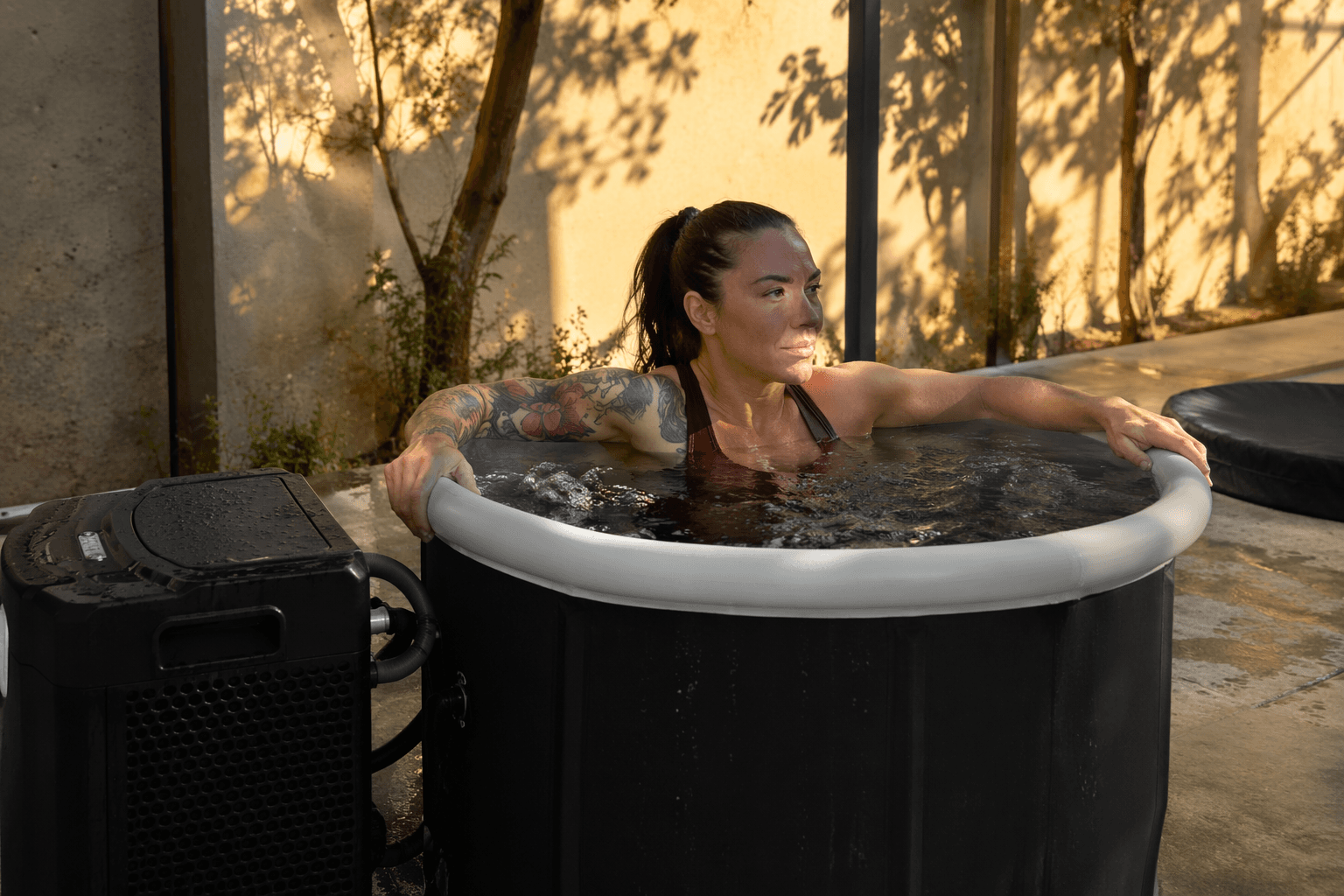
Cris Cyborg turned a $5,000 Plunge Generation 1 Pro into the kind of ownership test most cold-plunge buyers never get to run. For an 18-time MMA World Champion who stacks cold water immersion with strength training, sparring, nutrition, sleep, physical therapy, and massage, recovery gear has to be dependable, quiet enough to live with, and backed by support that does not waste training time.
Why Cyborg’s expectations are so high
Cyborg’s own bio makes the frame clear: she is the only fighter to hold championship belts in Bellator MMA, the UFC, Invicta, and Strikeforce, and she describes herself as a Grand SLAM Champion. That matters here because this is not a casual wellness purchase or a weekend ice-bath ritual. In fight camp, a plunge is part of the daily readiness stack, which means a bad chiller, a noisy motor, or a slow service response is not just inconvenient. It interrupts recovery.
That is the lens that makes her review worth reading closely. She bought the first-generation Pro roughly three years ago because she wanted a premium cold therapy system that would deliver durability and dependable support. At that price, the machine is supposed to disappear into the routine and keep doing its job. Instead, the ownership story became about what happens when the expensive part is no longer the cold water, but the service process around it.
The hardware issues started early
The first red flag was not subtle. Cyborg says the unit arrived with a chiller that did not work at all, and a replacement chiller was eventually sent a few weeks later. That kind of early failure changes the whole equation on a high-end plunge, because a premium tub is supposed to save time, not create a warranty case before it has even settled into the corner of the gym or garage.
Less than three years later, the replacement chiller started making a loud rattling noise. For a recovery tool that should be running in the background, noise is not a small nuisance. It is a sign that the part doing the heavy lifting may be wearing out, and it is exactly the sort of issue that turns a luxury buy into a maintenance chore. Cyborg’s team sent photos and videos to support, then waited about two weeks for a response.
That gap is the part hobby buyers should pay attention to. A $5,000 plunge can look impressive on day one, but long-term value lives in the boring details: whether the chiller keeps cooling, whether it gets louder with age, and whether anyone answers when something starts to go wrong.
Support and warranty are the real specs
Plunge’s own warranty language adds another layer to the story. The company says its cold plunge tubs are guaranteed against leaks for 1 year. Its support pages also say the fastest way to get help is by submitting a support ticket, and they list an average email response time of about 1 to 2 business days. On paper, that sounds like a service system built for premium gear.
Cyborg’s experience landed differently. Once the unit was out of warranty, she says the company told her further help would start with a $135 diagnostic fee. That number is the kind of detail that changes how a product feels to own. It is one thing to buy an expensive tub. It is another to discover that every repair conversation may begin with a paid diagnosis.
There is also a broader signal in Plunge’s current documentation. The company now keeps separate warranty and support pages for Gen 1, Evolve, Sauna, and Freeze to Death products, with the Freeze to Death warranty naming Reboot Labs, LLC as the company behind Plunge. That split suggests the lineup has evolved, but it also reminds buyers that the support experience can vary by model family. A first-gen machine and a newer product line are not automatically treated the same once a problem shows up.
What this means if you are choosing a plunge now
Cyborg’s review is useful because it separates elite-athlete utility from hobbyist value. If you are buying a cold plunge for convenience, the real question is not whether it looks premium in the backyard. It is whether you want to live with a system that can need a replacement chiller, develop noise over time, and then move into a warranty process that begins with ticketing, waiting, and possibly a diagnostic charge.
A few practical takeaways follow from her experience:
- If you need a tub for hard training, put support and uptime ahead of feature lists.
- If you are comparing a first-gen luxury model with a newer or cheaper option, ask how warranty coverage changes once the tub is out of the first year.
- If noise matters in your space, pay attention to long-term compressor behavior, not just initial cooling performance.
- If you do not need athlete-level recovery capacity, a lower-cost plunge may make more sense than paying for premium branding and premium repair friction.
That is the real verdict in Cyborg’s review. A cold plunge only earns a $5,000 price tag if it keeps showing up when camp gets brutal, and if the company behind it makes the hard parts of ownership feel easy. Once the chiller fails, starts rattling, and support drags on, the tub stops looking like recovery gear and starts looking like another thing to manage.
This article was produced by Prism’s automated news system from verified source data, official records, and press releases, then run through automated quality and moderation checks before publishing. The system is built and supervised by the people who set the standards it runs under. Read our full AI policy.
Did this article answer your question?