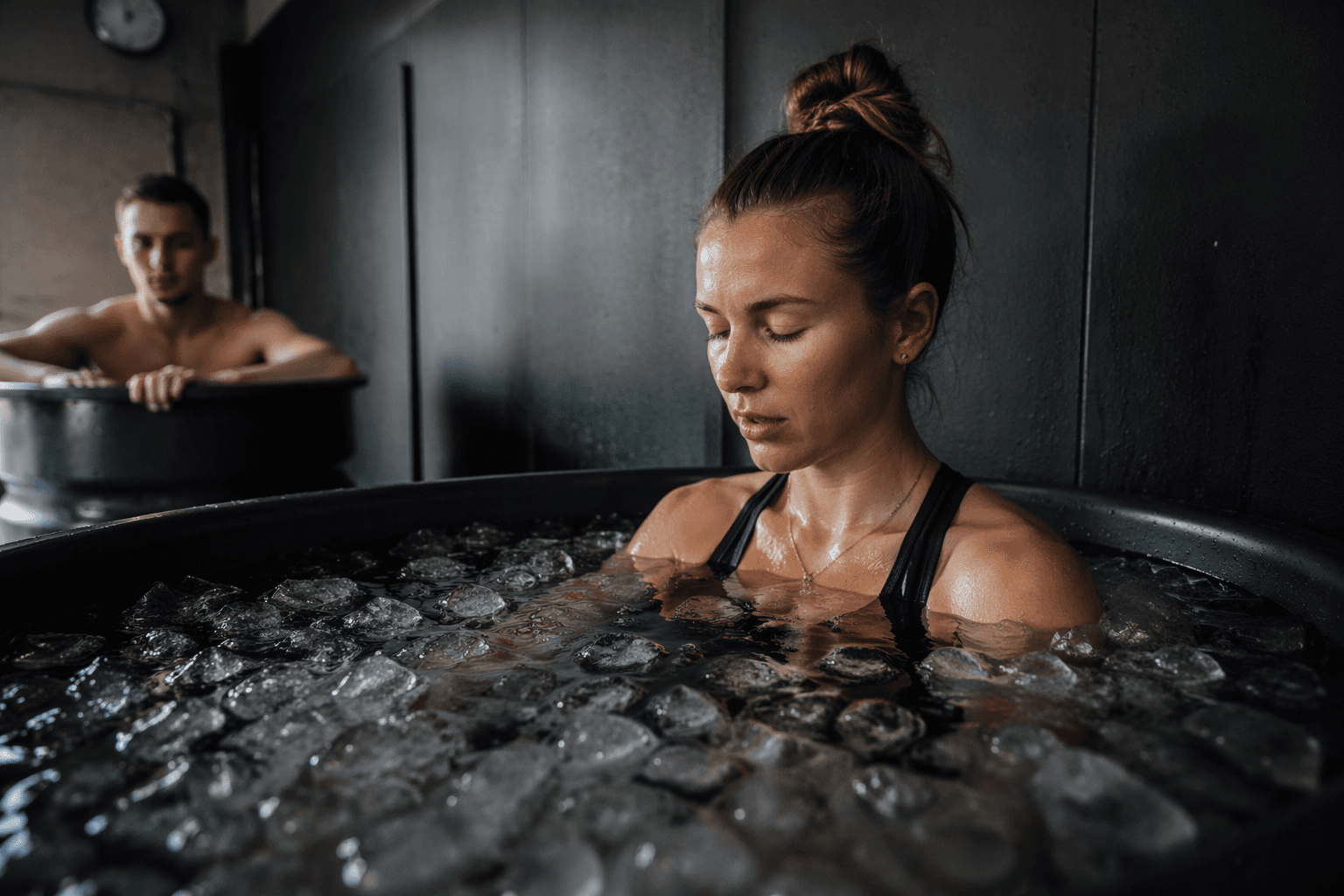
Cryotherapy expands beyond athletes, Glacier Chill touts cold therapy benefits
Glacier Chill is taking cold therapy to driveways and living rooms, pitching a -240 degree chamber as a house-call alternative to plunge tubs and studio memberships.

Glacier Chill Onsite & Mobile Cryotherapy is betting that cold therapy can leave the boutique studio and still keep its cachet. Founder and CEO Darren Price is selling a model that comes to homes across Washington, D.C., Maryland and Virginia, turning cryotherapy into a house call rather than a trip to a fixed wellness space.
Price framed the pitch as part history lesson, part market expansion. He said cryotherapy has been used since 2,500 B.C., and he pointed to newer research and technology as the reason the category has widened beyond athletes. Glacier Chill’s menu reflects that broader wellness language: pain management, hair growth, sinus pressure relief, cryofacials, cryo skin treatments, hair rejuvenation, body rejuvenation, Cryo Slimming, Targeted Cryo and Normatec compression. Price also said customers come in for weight loss, skin conditioning and hair growth, which shows how far the conversation has drifted from the old locker-room recovery story.
The company, which says it was founded in July 2023, filed as Glacier Chill Onsite & Mobile Cryotherapy LLC on July 11, 2023, in Virginia and is listed as active there. Price is also identified by the Virginia Black Chamber of Commerce as a certified cryotherapy specialist and minority-owned wellness-company founder, a credential set that fits Glacier Chill’s community-minded, service-first pitch in the region.
What separates Glacier Chill from a home ice bath is the level of machinery and control. The company says its subzero device runs around minus 240 degrees and uses safety systems that read skin and body temperature and monitor distance to reduce injury risk. That is a different experience from a chest freezer in a garage or a DIY plunge tub, which may be cheaper to own but depends on the user to manage setup, temperature and maintenance. A fixed plunge studio sits somewhere else entirely: more polished and social than a home rig, but tied to a location, a booking window and a trip across town.
The medical backdrop remains cautious. The U.S. Food and Drug Administration says whole-body cryotherapy devices are not cleared or approved, and the agency describes the treatment as exposing the torso and legs to frigid temperatures while the head remains above the enclosure. The American Academy of Dermatology says benefits remain unproven and that skin injuries, including frostbite, have been reported. A 2023 review of whole-body cryotherapy safety found five case reports and two randomized controlled trials totaling 16 documented adverse events, while medical literature has recorded cold burns and cold panniculitis.
That leaves Glacier Chill in a crowded cold-therapy lane where the question is no longer whether people will pay to be cold, but which version of cold feels safest, most useful and most worth calling to the house.
This article was produced by Prism’s automated news system from verified source data, official records, and press releases, then run through automated quality and moderation checks before publishing. The system is built and supervised by the people who set the standards it runs under. Read our full AI policy.
Know something we missed? Have a correction or additional information?
Submit a Tip