DIY cold plunge guide shows how to build one for less
The cheapest plunge is not always the smartest one. Stock tanks and chest freezers both work, but upkeep and safety decide which bargain lasts.
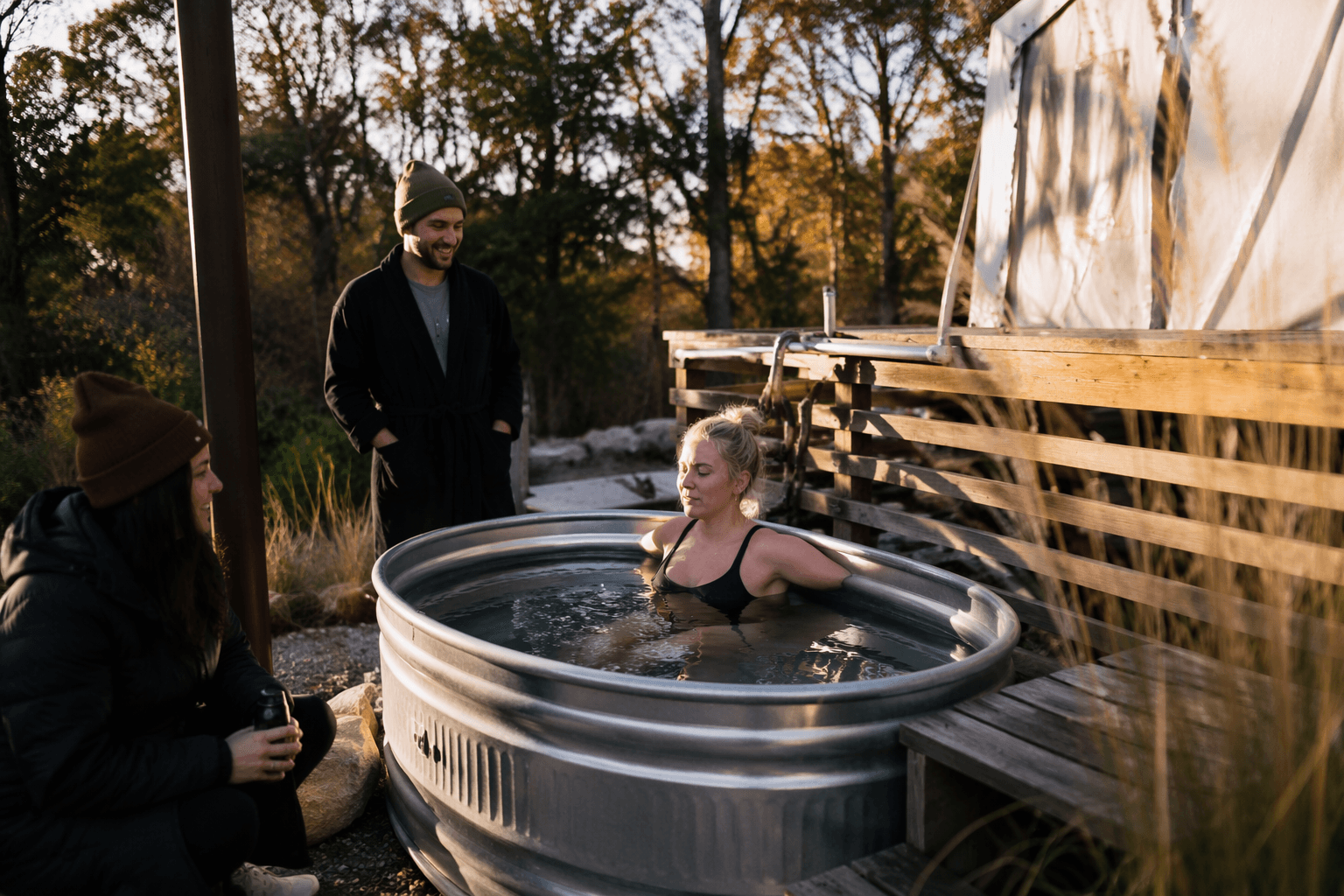
A stock tank paired with a chiller or a chest-freezer conversion is the fork in the road for most DIY cold plunges. A usable DIY setup can be built for a fraction of a premium commercial plunge, but the real savings only show up if you choose the build you can actually keep cold, clean and safe.
Why the DIY plunge keeps pulling people in
Cold-water immersion has moved well beyond elite sport. A 2024 systematic review in PLOS One looked at healthy adults using cold showers, ice baths and plunges at water temperatures at or below 15°C for at least 30 seconds, which is a useful snapshot of how mainstream the practice has become. Sports-medicine reviews describe water immersion as widely used by athletes to minimize fatigue and speed short-term recovery, even as the best protocol remains unclear.
IceColdTubs’ June 27, 2026 guide promises a complete parts list, real components and step-by-step help with chilling, filtering and insulating a home plunge. Across the broader DIY market, the basic message is the same: you do not need to buy a polished, app-controlled unit to get in the cold. Materials can run in the rough range of $200 to $1,500 or $300 to $1,500, depending on how simple or elaborate you want to go.
The two builds that matter most
For most people, the question is which kind of project fits the level of tinkering you want to own. The stock-tank route is the more open, hardware-store-looking build, usually centered on a water vessel plus a chiller and the plumbing to move water through it. The chest-freezer route repurposes an appliance into a compact cold tub, which can feel more self-contained and, in some setups, more polished.
The category has branched out from there, with cedar barrels, concrete block tubs and fiberglass shells showing up in the wider DIY scene. Still, the stock tank and the chest freezer remain the two paths because they force the same tradeoff in different ways: spend more on components and control, or spend less up front and take on more of the system yourself.
True upfront cost is not just the shell
Sticker price can be deceptive. A stock tank looks cheap until you add a chiller, plumbing, filtration and insulation, while a chest freezer may seem like the thriftier route because the main vessel is already there. In reality, both builds can land anywhere inside that broad DIY range. The shell is only one part of the bill.
If you are trying to keep the number low, the chest freezer often looks appealing because it starts as one appliance instead of several separate parts. But that apparent shortcut can disappear once you account for the work of making it safe and reliable around water. The stock-tank build can cost more in visible parts, especially once you commit to a chiller and the supporting gear, but the expense is easier to see and plan for from the start.
Sanitation burden is where cheap becomes expensive
A stock tank is easy to get into and easy to hose out, but the open design also exposes the water to debris, sun and the mess of everyday use. That means sanitation can become a regular ritual, not an occasional chore.
A chest freezer keeps the water more enclosed, which helps protect the plunge from outside grime, but the tighter housing can make cleaning around seals, edges and corners more awkward. Filtration and insulation are part of the build process because a functional plunge is not just a container full of cold water.
Temperature control is the hidden dividing line
Studies of cold-water immersion often focus on water at 15°C or below, so the job of any DIY system is not simply to get cold, but to stay cold enough to be usable.
That is where the stock-tank-plus-chiller route has an edge in clarity. The chiller is built for the cooling job, which makes the system feel more like a purpose-built appliance chain, even if the tub itself is humble. A chest-freezer conversion can also hold a cold target, but it depends on the appliance being repurposed carefully, which is a very different kind of control.
Electrical and safety risk changes the whole equation
Water and household electricity are a serious combination no matter which build you choose. The Consumer Product Safety Commission describes ground-fault circuit-interrupter protection as a way to help prevent shock hazards, and its National Electric Code materials tie safety provisions to shock incidents involving consumer products, including pools and spas. That makes GFCI protection a core part of any home plunge that uses a pump, chiller or converted appliance.
The chest-freezer build deserves extra attention here because it starts with a household machine that was not designed to be a submerged bathing vessel. A chiller-powered stock tank also brings water and electricity into the same system, so the risk is not limited to one path. If safety is the part you are least excited to troubleshoot, that is a signal that the simplest-looking option may not be the cheapest one for you.
Ongoing maintenance decides whether the plunge lasts
A DIY plunge is not a one-time build; it is a small system you have to keep alive. Filters need attention, water needs changing, insulation degrades, drainage has to work, and the whole setup has to stay clean enough that using it remains a habit instead of a weekend project. Chilling, filtering and insulating are the heart of the build, not extras.
Stock tanks usually ask for more visible cleaning because the water is open and easy to reach. Chest freezers can feel lower-maintenance at first, but they often hide their chores in seals, condensation and the general fuss of keeping an appliance happy in a role it never originally had.
This article was produced by Prism’s automated news system from verified source data, official records, and press releases, then run through automated quality and moderation checks before publishing. The system is built and supervised by the people who set the standards it runs under. Read our full AI policy.
Did this article answer your question?