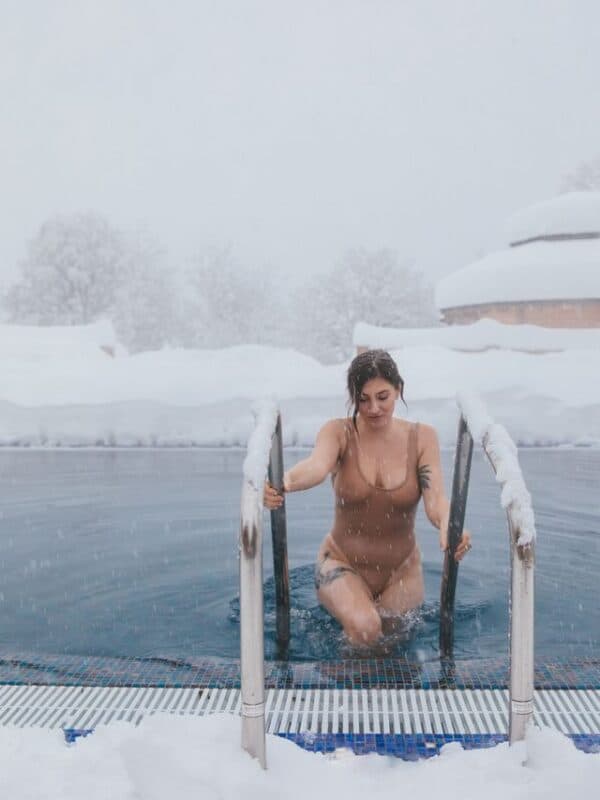
Hong Kong’s ice bath craze turns recovery into a social ritual
Hong Kong’s cold-plunge scene is shifting from recovery hack to after-work status ritual, with a handful of clubs, pass options, and sauna-led social sessions.
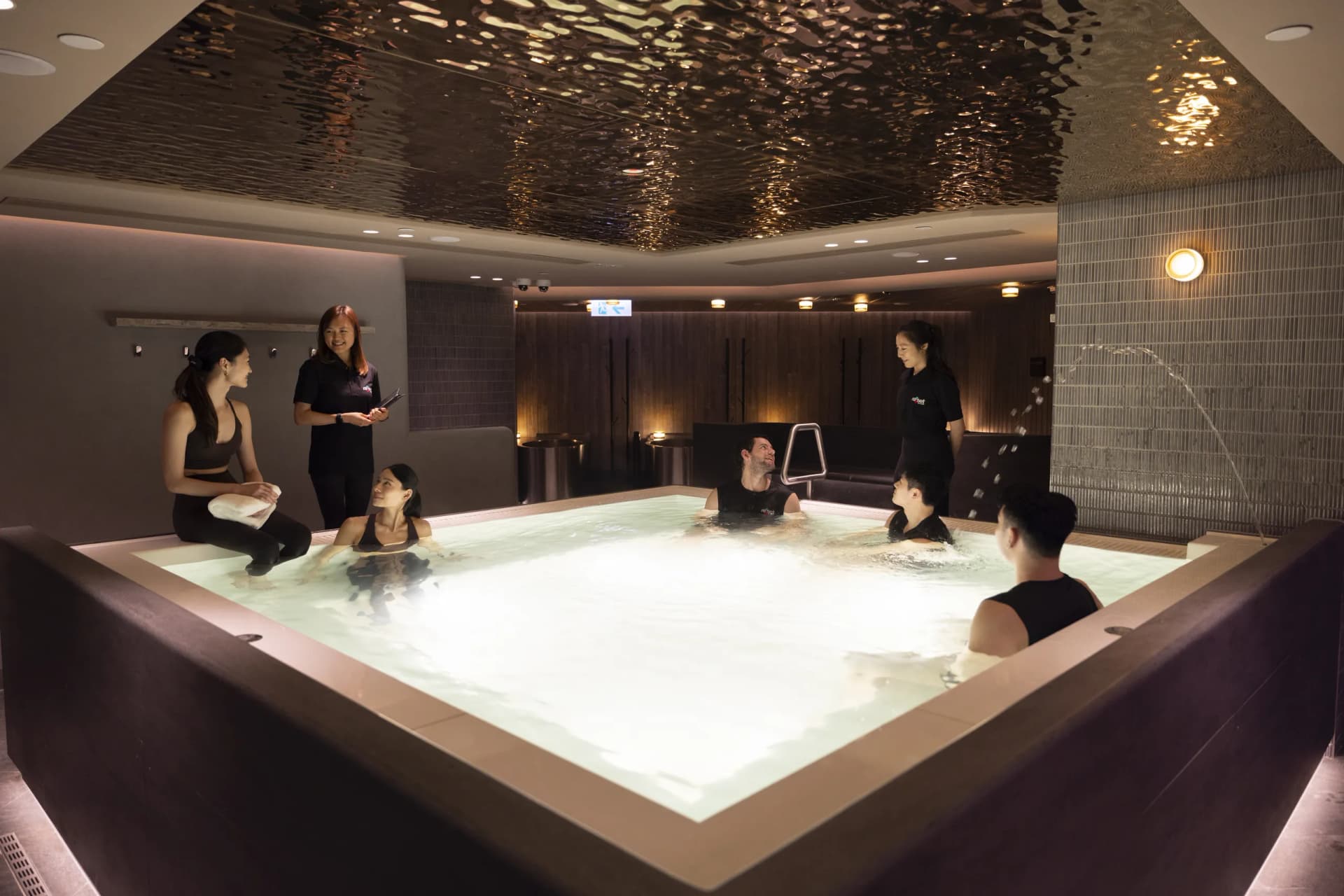
Hong Kong’s ice bath craze is no longer just about grit. It is turning into a social ritual, one that blends recovery, status, and a very city-specific kind of after-work reset, with sauna and cold plunge now sold as a shared experience as much as a performance tool.
What makes the scene interesting right now is how quickly it has moved beyond niche biohacking. A small cluster of venues is giving residents a real map of where to try it, and the pitch is consistent: less solo suffering, more community, calm, and a sharper head after the workday or a workout.
Where the scene is concentrating
The cold-plunge circuit in Hong Kong is still compact, but it is spread across some of the city’s most recognizable wellness zones. Local coverage has named Re:set by PURE in Causeway Bay, ASAP - Alternate Sauna And Plunge and ACME Wellness Hong Kong in Central, 10x Longevity in Admiralty, Float Co in Mid-Levels, and The Ice Bath Club in Kennedy Town as part of the growing scene.
That spread matters because it shows this is not a single fad attached to one gym or one neighborhood. It is showing up where urban professionals already go for fitness, self-care, and premium services, which helps explain why the trend reads as both practical and aspirational.
What venues are actually selling
The clearest example of the market’s direction is The Ice Bath Club. Its Hong Kong offering combines ice baths, sauna, and hot baths, and its membership pages advertise day passes and 14-day access, which gives people a way to test the experience without committing long term.
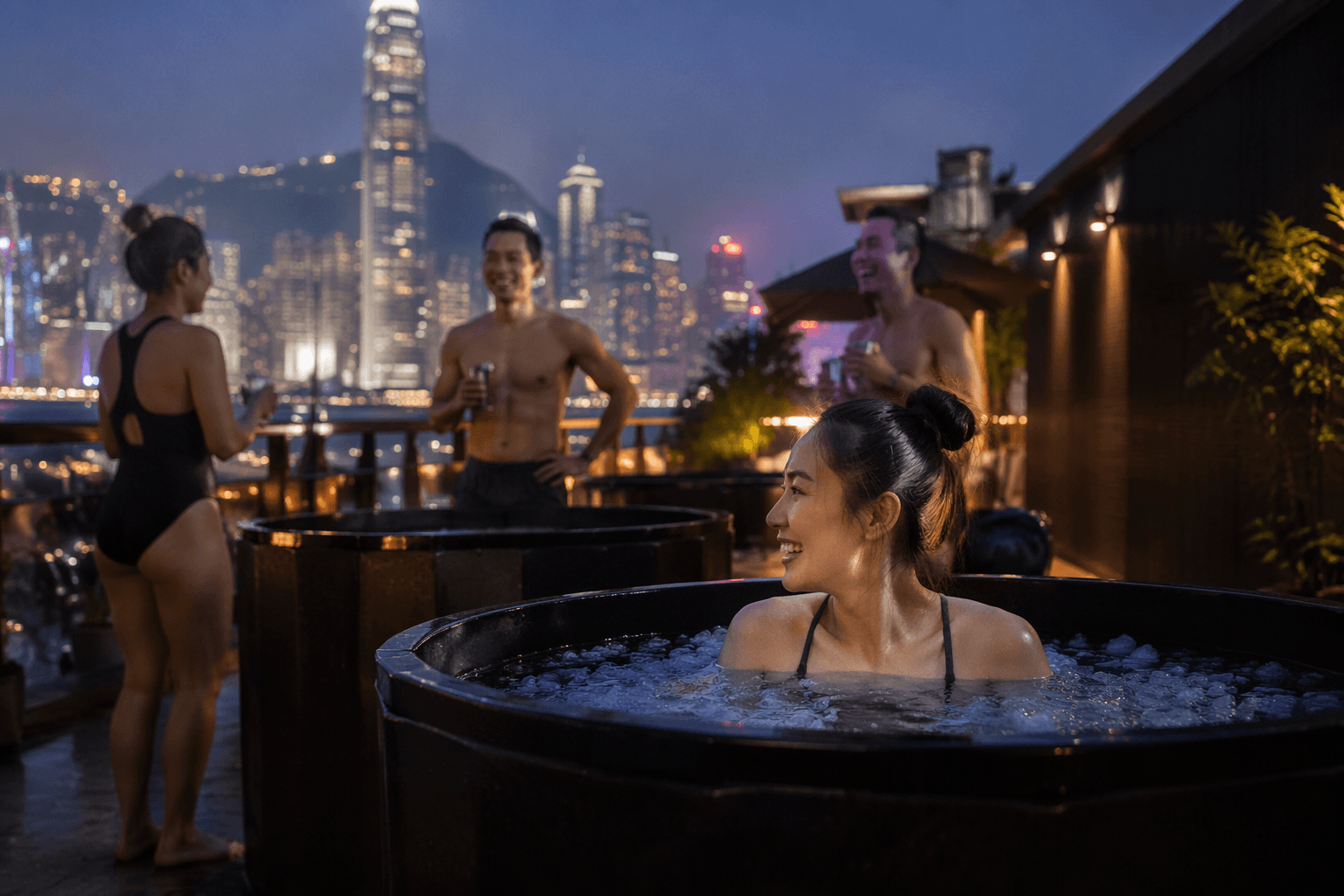
The club’s own framing leans hard into the social side. It says sessions are meant to help people reset the nervous system, clear the head, and connect with friends, and that is exactly why the concept feels larger than a recovery tool. Prestige Online has even described The Ice Bath Club as the cold-plunge equivalent of a run club, which captures the way contrast therapy is becoming an organized social habit rather than a private endurance test.
Re:set by PURE pushes the category further into polished wellness branding. It opened at Lee Theatre Plaza in Causeway Bay and was billed as the world’s first Smart Recovery Studio, a label that places cold exposure inside a science-backed, design-forward recovery identity. In other words, Hong Kong is not just getting ice baths, it is getting a more curated, more premium version of them.
Why Hong Kong is buying in
Part of the appeal is that the ritual fits the city’s pace. Contrast therapy has been framed around athletic recovery, mental clarity, calm, and the kind of hard reset busy urban professionals want after work or training. That makes it unusually adaptable: it can be sold as post-gym recovery, stress management, or a night-out alternative.
The trend also has enough cultural texture to feel bigger than imported wellness marketing. The current wave traces back to Nordic ice swimming, sauna contrast traditions, and even older Greek and Roman frigid-bath practices, but it has been refreshed for the present by modern cold-exposure evangelists like Wim Hof. His website says Wayne State University scanned his brain in 2010 during controlled breathing and cold exposure and observed activation in a region associated with pain regulation, which helped turn cold immersion into something that felt both extreme and contemporary.
That mix of old ritual and new branding is part of the draw. For many people, the appeal is not just the plunge itself, but the identity attached to it: disciplined, social, wellness-aware, and willing to treat recovery as a lifestyle choice.
The safety line sits close to the hype
The momentum is real, but the medical cautions are just as real. Cedars-Sinai warns that cold-immersion tubs are not benign and lists frostbite, hypothermia, heart arrhythmias, and heart attacks among the risks.
The National Health Service defines hypothermia as a dangerous drop in body temperature below 35C and says it is a medical emergency. MedlinePlus is equally direct, noting that a body temperature below 95F, or 35C, can become fatal if it is not treated promptly. That matters because the social appeal of the trend can make the experience look more casual than it really is.
For anyone trying it in Hong Kong, the practical lesson is simple: the current wave is strongest when it stays structured. The best version of the ritual is not a dare, but a controlled contrast session with sauna, a short cold exposure, and a place to recover properly afterward.
A market that is still widening
The biggest signal in Hong Kong right now is not that ice baths have arrived, but that the market is still in its early, visible phase. Only a select handful of venues are offering the full experience today, yet the combination of social positioning, access-based memberships, and premium recovery branding suggests more spas and wellness sanctuaries are likely to follow.
That is why the scene feels different from a passing health trend. In Hong Kong, the ice bath is becoming a place to be seen, a way to recover, and a ritual that signals you are plugged into the city’s newest wellness code.
This article was produced by Prism’s automated news system from verified source data, official records, and press releases, then run through automated quality and moderation checks before publishing. The system is built and supervised by the people who set the standards it runs under. Read our full AI policy.
Did this article answer your question?