Ice bath study finds repeated cold exposure helps cells adapt to stress
Cells adapted to cold within a week in Ottawa. The study is promising, but it was small, male-only, and says more about adaptation than miracle recovery.
The surprise is how fast the body changed
The most interesting part of this Ottawa cold-plunge study is not that cold stress matters. It is that measurable cellular shifts showed up after just seven days. In a group of 10 healthy young men, one hour a day in 14°C water was enough to move the needle from early cellular strain to a stronger stress-response profile by the end of the acclimation period.
That is the kind of result that gets ice bath people talking, because it lands in the middle of a real-world question: does repeated cold exposure train the body, or just make the discomfort easier to tolerate? This study points to both. The first plunge and the later plunges were not the same experience biologically, and that difference is exactly where the story gets interesting.
What the Ottawa team actually tested
The work came from the University of Ottawa and the Human and Environmental Physiology Research Unit, led by Glen Kenny, a full professor and HEPRU director, with Kelli King as first author and postdoctoral fellow. The study looked beyond broad recovery claims and focused on what cold does inside cells, especially in peripheral blood mononuclear cells, the immune cells often used as a window into the body’s stress response.
The team tracked autophagy, apoptosis, the heat shock response, and inflammation. They also assessed hypothermic ex vivo whole-blood cooling before and after acclimation, which adds another layer to the story: not just what happened during immersion, but how the blood itself responded when cooled in the lab after the seven-day protocol.
The immersion protocol was strict and simple. These young men sat in 14°C water for one hour per day, seven days in a row. That is not a casual winter dip, and it is not a frozen lake jump either. It is a controlled dose of cold, repeated often enough to see whether the body starts adapting.
Autophagy is the headline, but the pattern matters more
The central biological finding was a shift in autophagy, the cell-cleanup process that helps remove damaged components and recycle materials. At the start of acclimation, the study saw autophagic dysfunction, which suggests the cold stress initially disrupted that cleanup machinery. By the end of the week, the same exposure was associated with stronger autophagic activity.
That change came with a more favorable stress profile overall: less apoptosis, meaning less programmed cell death, and lower inflammatory signaling. In plain ice bath language, the cells looked less rattled after repeated exposure than they did at the beginning. The University of Ottawa publicly framed the work as evidence of improved cellular cold tolerance, and that is the most responsible way to read it.
For cold therapy regulars, this is the useful part. The body is not just enduring the session; it appears to be learning from it. Consistency may matter more than intensity, at least in this narrow setup, because the same cold dose seemed to produce a different cellular result once acclimation had taken hold.
What this may mean for recovery and routine-building
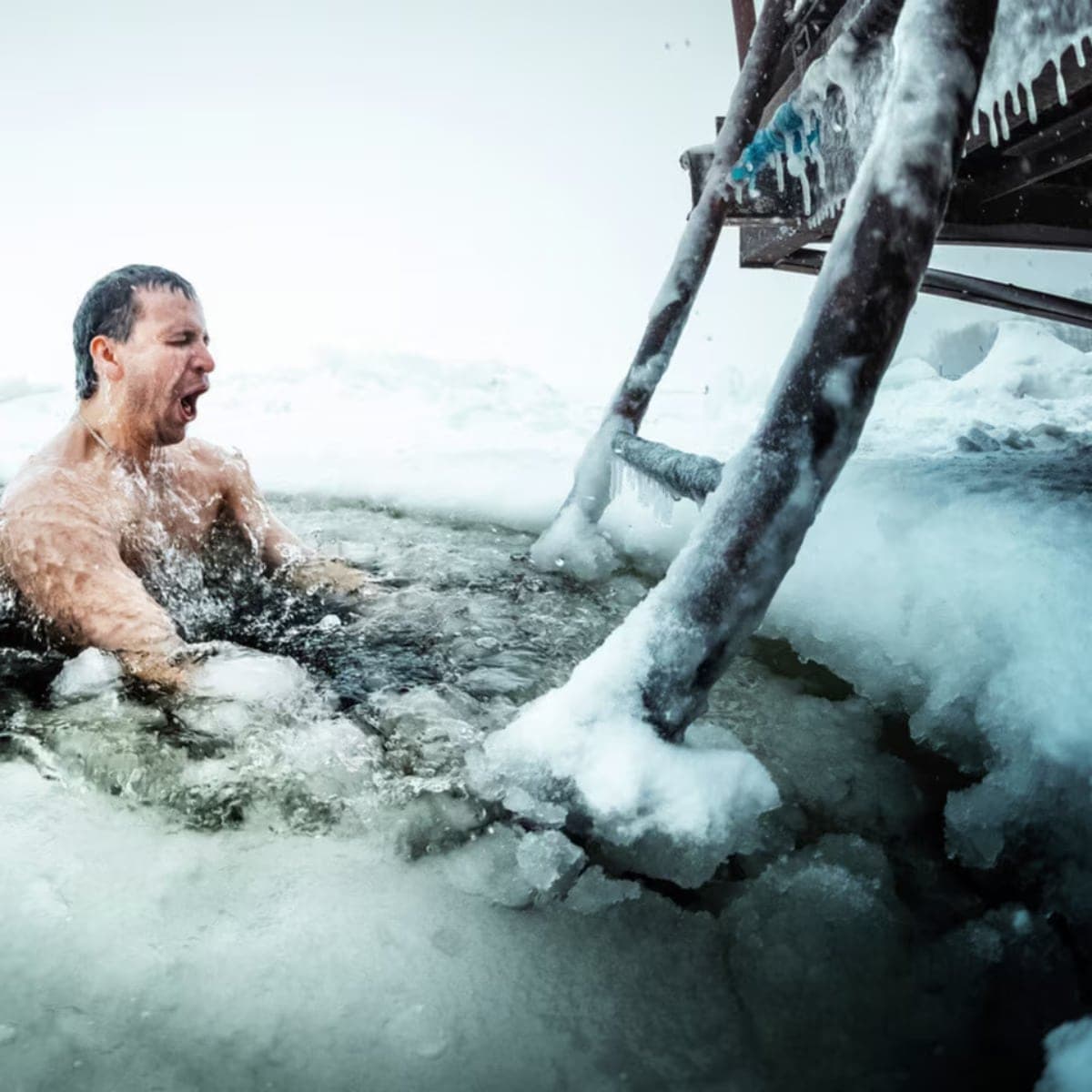
If you already build cold plunges into a recovery stack, the study offers a better explanation for why the early sessions often feel brutal and later ones feel more manageable. Glen Kenny’s team was surprised by how fast the body adjusted, and that surprise fits what many plungers describe anecdotally: the gasp reflex, the chest-tightening shock, and the sense that your body is fighting the water at first, then negotiating with it later.
That does not mean more cold is always better. It suggests the opposite lesson may be more useful: a repeatable routine could matter more than chasing a heroic single plunge. For people using ice baths to support recovery, the takeaway is not to hunt the coldest tub in the room, but to think about dosage, frequency, and tolerance over time.
A practical reading of the study looks like this:
- The first exposures may create the strongest shock signal.
- Repeated exposure can change how cells respond to the same temperature.
- A short acclimation block may be enough to shift the biology, at least in a controlled setting.
- Routine-building may be more relevant than one-off suffering.
That is a more interesting message than the usual cold-plunge hype cycle, because it treats the practice like training stimulus instead of wellness theater.
Where the headlines can overreach
This is also where the media and the brands tend to sprint ahead of the data. A study in 10 healthy young males is not a universal prescription. It does not prove that ice baths prevent disease, extend healthspan, improve recovery for every athlete, or work the same way in women, older adults, or anyone with a medical condition.
Even Kenny’s broader comments about possible relevance for disease prevention and healthy aging should be read as future-facing, not settled. The study is a mechanistic clue, not a verdict. It shows that repeated cold exposure can alter cellular stress handling under controlled conditions; it does not show that every plunge in every sauna-and-cold club delivers the same payoff.
That distinction matters because cold exposure has become a marketing magnet. Once a result can be described as cellular adaptation, it is easy for brands to turn it into a promise. The actual paper supports a narrower claim: repeated cold exposure may teach cells to cope better with stress, and that is a far more cautious, and more credible, statement.
Safety still comes before the biology
Cold-water immersion is not risk-free. Sudden entry into cold water can trigger the cold-shock response, which includes involuntary gasping and rapid breathing. That reaction can raise heart rate and blood pressure sharply, and it can create a drowning emergency if someone loses control of breathing in the water.
Risk guidance from cold-therapy safety literature is blunt on this point: the face, breath holding, and abrupt immersion can make things more dangerous, including a higher risk of cardiac arrhythmias in some cases. Repeated exposure may reduce the cold-shock response, but that adaptation only matters if the practice is controlled and sensible from the start.
So the practical lesson from the Ottawa study is not to chase pain. It is to respect adaptation. If you are building an ice bath habit, the cold should be treated like a stimulus that you dose carefully, not a stunt you survive once and brag about forever. The best evidence here says the body can learn fast, but it also reminds you that the water does not care how motivated you are.
The real takeaway for cold plunge culture
This study gives cold-water immersion a more interesting identity than the usual recovery cliché. It is not just about feeling awake after a plunge or bragging about how long you lasted. It may be about cellular resilience, repeated stress, and the way the body reorganizes itself when cold becomes familiar.
That is why the Ottawa work matters to the ice bath community. It does not crown cold water a miracle. It shows that, under a very specific seven-day protocol, cells changed their behavior in ways that look like adaptation. In a space full of big claims, that is the kind of result worth paying attention to, because it points toward the long game: less spectacle, more physiology, and a clearer sense that the body is not merely surviving the plunge, but learning from it.
This article was produced by Prism’s automated news system from verified source data, official records, and press releases, then run through automated quality and moderation checks before publishing. The system is built and supervised by the people who set the standards it runs under. Read our full AI policy.
Did this article answer your question?