Ice Baths Move Into Luxury Homes With Private Recovery Suites
Cold plunges have moved from spa accessory to floor-plan feature, with Houston’s KA Residences turning private recovery into a luxury selling point.
A cold plunge is no longer just an accessory
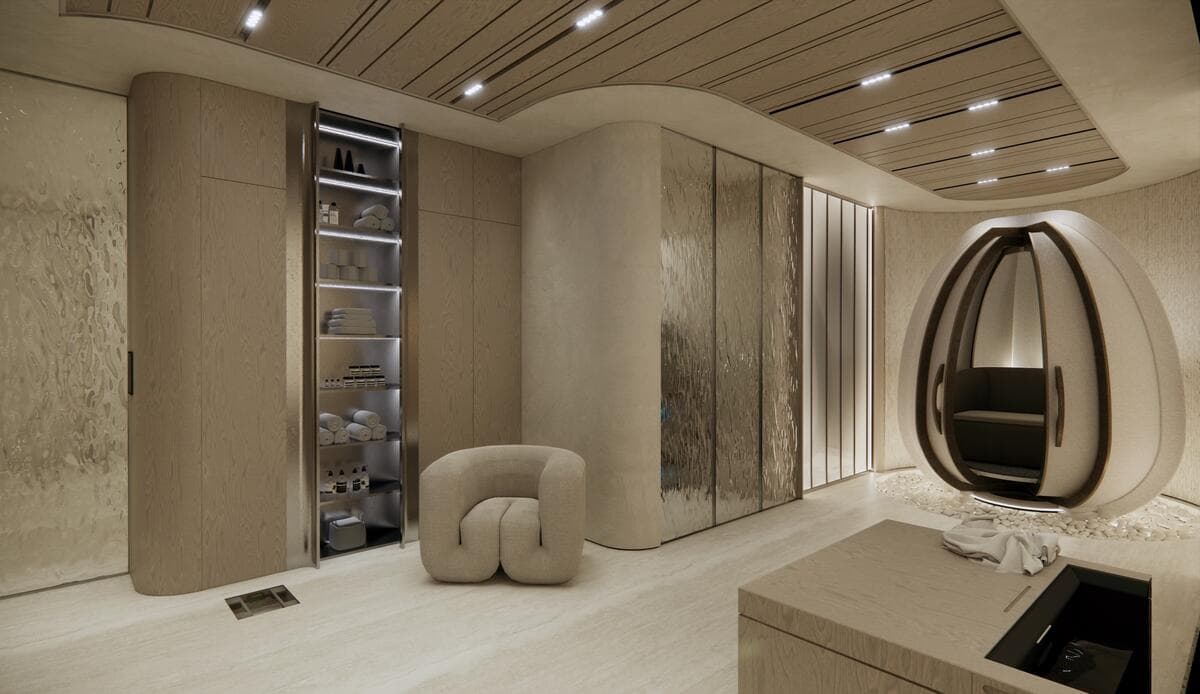
The biggest sign that cold immersion has crossed over is simple: developers are now designing around it, not adding it after the fact. At KA Residences in Houston, each of the 30 units gets its own 400-square-foot Merkaba room, a private recovery suite with a cold plunge, sauna, meditation pod, red-light therapy, and in-floor body scanning all folded into the apartment footprint.
That is a different animal from the branded tub in a backyard or the chest freezer setup in a garage. It means cold plunges are now part of the home’s architecture, mechanical planning, and luxury pitch, which is exactly how a niche wellness habit becomes a mainstream design category.
The Houston project that made the shift obvious
KA Residences, co-founded by Houston-based designer Nina Magon and developer Moiz Bhamani, is the clearest example of the pivot. The concept is built around the idea that wellness should sit at the center of daily life, and the building leans hard into that promise with a sky backyard, a 10-by-20-foot pool, a lap pool, a padel court, a yoga studio, and a sound-bath facility.
Later reporting placed the first Houston location near River Oaks and Uptown, and described the homes as ultra-private sky villas with private security, white-glove concierge support, private valet, and secure lift lobbies. The development is expected to be completed by early 2029, and the residences are also set to include circadian-rhythm lighting and oxygenation systems for air quality.
That combination tells you where the market is heading. The cold plunge is no longer the headline by itself. It is becoming one piece of a larger recovery ecosystem, bundled with lighting, air, movement, and meditation in the same address.
Why designers are specifying recovery spaces now
The reason designers are taking this seriously is scale. Wellness is no longer a side trend in luxury interiors; it is a serious business category with real economic weight. The Global Wellness Institute says wellness real estate grew from $225 billion in 2019 to $548 billion in 2024, an average annual growth rate of 19.5 percent. Over the same period, the broader global wellness economy reached $6.8 trillion in 2024 and is forecast to hit $9.8 trillion by 2029.
Those numbers explain why materials and layouts are changing. Designers are specifying spa-like finishes, biophilic cues, better air systems, and now dedicated cold immersion zones because buyers are beginning to expect them in high-end product. What used to read as a bonus now reads as a differentiator, especially in homes pitched to people who already spend money on recovery, training, and sleep optimization.
What this does to cost and square footage
Private cold-plunge design changes the math of a home. A 400-square-foot wellness room inside every unit is not a cosmetic upgrade. It is dedicated square footage, specialized equipment, and a higher level of coordination between design, construction, and building systems.
That has two immediate effects. First, it raises upfront cost, because a home has to absorb more built-out area and more technical components. Second, it changes how luxury is measured. A residence with a cold plunge and sauna built into the plan is not competing only on finishes and views anymore; it is competing on daily use, privacy, and the ability to recover without leaving the apartment.
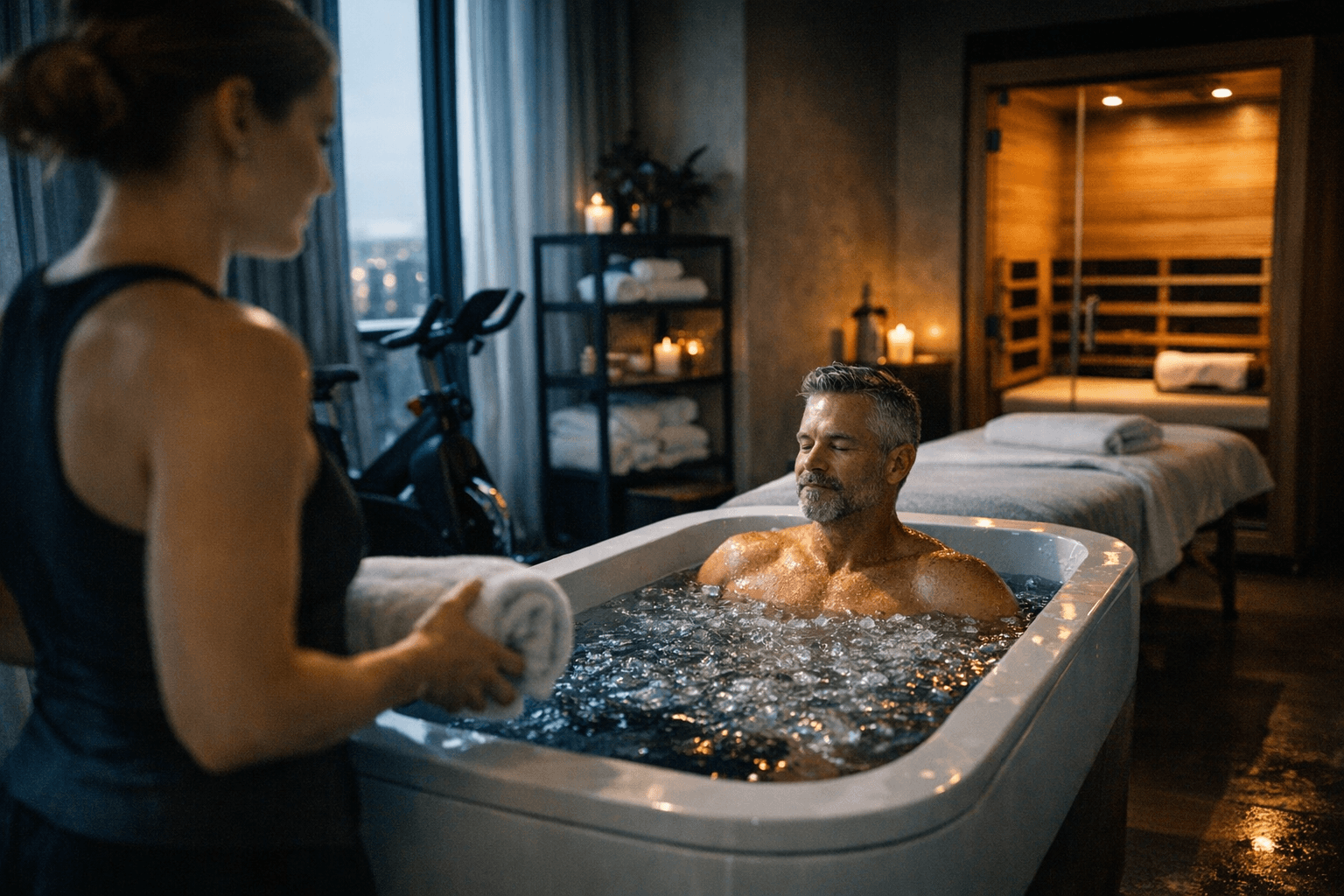
The market has already shown there is appetite for that kind of bundle. Industry coverage from Houzz and Homes.com points to growing demand for private home installations where cold plunges are paired with saunas, which suggests this is not just a one-off sales flourish. It is becoming a specification item.
Why resale appeal may improve
For resale, the logic is straightforward. If wellness real estate is expanding this quickly, then homes that already have recovery infrastructure may look more future-proof than homes that simply leave space for it later. Buyers in the luxury tier are already paying for privacy, convenience, and lifestyle compression, which means the home does more of the work that used to require a club, spa, or boutique studio.
That does not mean every plunge pool guarantees a premium forever. It does mean the best-designed versions, the ones that feel integrated rather than bolted on, can help a property stand out in a crowded luxury market. KA Residences is trying to sell that exact idea by pairing the cold plunge with the rest of the daily wellness routine, from meditation to circadian lighting to cleaner air.
The bathhouse model that helped normalize it
If KA shows where the home market is going, Othership shows how the experience got emotionally legible. The brand describes itself as a space for transformation centered on sauna, ice baths, and a commons for social connection, and it now has locations in New York and Toronto.
Its Manhattan outpost is in the Flatiron District at 23 W 20th St, while the Yorkville location advertises eight ice baths kept between 0 and 4°C and a 90-person performance sauna. Forbes reported that the company began as a garage experiment before growing into a modern bathhouse brand, which matters because it captures the cultural arc of the entire category: scrappy, wellness-adjacent, then suddenly polished enough to be aspirational.
That arc is part of why luxury homes can now borrow the language so effectively. The cold plunge no longer feels fringe. It feels designed.
What comes next in at-home recovery
The next wave of home recovery spaces is likely to be less about a single hero object and more about a connected suite. Expect cold plunges to keep traveling with saunas, meditation corners, lighting systems, and air-quality upgrades, especially in new luxury buildings and custom homes where developers can control the whole environment.
The real crossover moment is not that someone can now buy a plunge tub for the backyard. It is that high-end residential brands are using recovery spaces as a core identity marker, the same way kitchens once became the place where a house proved its value. In that sense, KA Residences is more than a flashy Houston project. It is a sign that the luxury home is being redesigned around how people want to feel before, after, and between the rest of their day.
This article was produced by Prism’s automated news system from verified source data, official records, and press releases, then run through automated quality and moderation checks before publishing. The system is built and supervised by the people who set the standards it runs under. Read our full AI policy.
Did this article answer your question?