Poolurchin guide compares five outdoor cold-plunge tubs for home recovery
Five outdoor plunge tubs, five different backyard realities: the guide makes the choice come down to footprint, insulation, chiller readiness, and how much upkeep you will actually tolerate.
The real decision is not “cold plunge or not”
Poolurchin’s outdoor plunge guide does what most recovery roundups do not: it treats the tub like a piece of backyard equipment, not a lifestyle trophy. The whole comparison hinges on the questions buyers actually ask first, including how much space the setup takes, how well it holds temperature, whether it can travel, and how much work it creates after the ice melts.
That matters because cold-water immersion has moved well beyond a niche trend. The British Journal of Sports Medicine has noted an explosion in home-based ice baths, cold showers, open-water swims, and dips, but the same literature also keeps the brakes on the hype. In a 2010 review, the scientific rationale was still described as unclear, with no clear guidelines for use. In other words, the category has expanded faster than the certainty around it.
The five tubs split into clear buyer lanes
The guide’s lineup shows how far the market has spread. At one end is an unbranded 105-gallon tub with six-layer insulation, a compact option that points straight at value and simplicity. It is the kind of setup that makes sense if you want a smaller footprint and basic insulation without committing to a larger, more complicated build.
A step up in size is the 175-gallon oval tub with a reinforced aluminum frame. That extra capacity changes the feel of the decision immediately: you are no longer just buying a vessel that fits in a corner, you are buying a structure that needs more room and likely more planning around placement. For households where the tub will stay put and see repeated use, that sturdier frame becomes part of the appeal.
At the larger end sits the 216-gallon athlete-focused model that is compatible with chillers. That detail is the tell. Once a tub is chiller-ready, the buyer is no longer shopping for a seasonal dunk tank; you are looking at a more committed recovery station built for repeat use and tighter temperature control. For people who want a more serious home recovery routine, that compatibility matters more than flashy extras.
Portability still has a place, but it changes the tradeoff
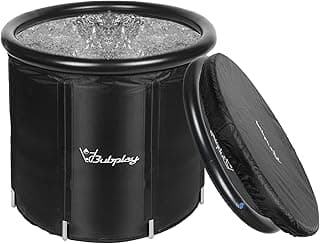
The guide also includes The Pod Company’s Ice Pod Pro and a portable Brisk Bear option with a digital timer and carry bag. Those two names help define the portability side of the category, where the biggest draw is not just cold water but easier setup, storage, and movement.
Brisk Bear’s included timer and carry bag are especially useful markers because they speak to everyday usability. A portable tub only earns its keep if it does not turn into a hassle to drain, dry, move, and store. The timer adds a small but practical layer of control, while the carry bag signals that the brand is aiming at users who may not have a dedicated recovery area outside.
For the Ice Pod Pro, the value is in how it fits into the same portability-first lane. The broader message is that the market no longer forces a single answer. You can buy for mobility, or you can buy for size and structure, and the difference will shape how often you actually use the thing.
Insulation and footprint are the first filters, not the last
If you are trying to narrow the field fast, insulation and footprint should come before any glossy marketing promise. The guide keeps returning to those practical constraints because they decide whether a tub belongs in a tight patio corner, a garage-adjacent setup, or a more permanent backyard recovery zone.
The six-layer insulation on the 105-gallon model suggests a budget-conscious approach to temperature retention. The reinforced aluminum frame on the 175-gallon oval tub suggests a sturdier, less temporary build. The 216-gallon chiller-compatible model points toward a higher-commitment setup where the user is willing to add equipment and manage the system more actively. That is the clearest budget-to-premium ladder in the story: basic insulated tub, larger framed tub, then chiller-ready recovery station.
Maintenance is the hidden cost people feel after the first week
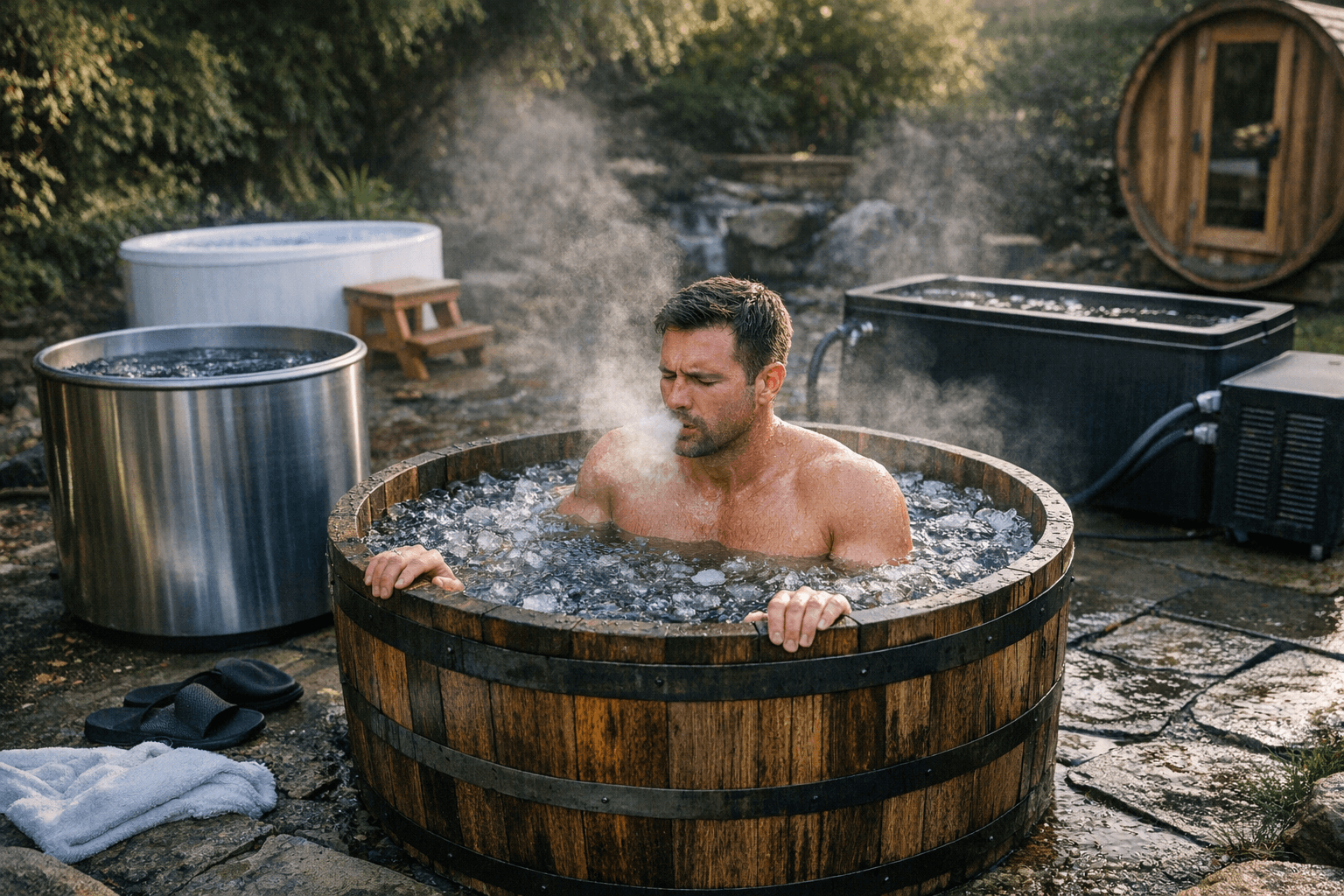
This is where the comparison becomes most useful. A cold plunge is easy to buy and harder to live with. Water volume, insulation quality, portability, and setup all influence how much ongoing work the tub demands, and the guide is smart to frame them together instead of treating them as separate selling points.
The bigger the tub, the more water you are dealing with. The more elaborate the setup, the more you have to think about placement, access, and whether the system can handle repeated use without becoming a maintenance headache. That is why the guide’s emphasis on repeated use is so important: a recovery tool that is easy to start but annoying to maintain gets abandoned fast.
Safety is part of the purchase decision
Cold plunge buyers do not get to ignore the safety side just because the category lives in wellness. The Centers for Disease Control and Prevention warns that cold water immersion can create immersion hypothermia, and that it develops faster than standard hypothermia. The CDC also says hypothermia can occur in any water below 70°F, which is a sharper reminder than most marketing copy ever gives.
The risk profile is immediate, not abstract. The CDC says cold-water immersion can cause an involuntary gasp and hyperventilation in the first minute, raising drowning risk, and that if the initial shock is survived, hypothermia can make swimming impossible within as little as 10 minutes. That is why setup, supervision, and safe handling matter just as much as tub size or insulation.
Why the public-health guidance still matters for backyard tubs
CDC Healthy Swimming guidance says water-based exercise can bring physical and mental health benefits, but it can also spread illness or cause injury. The agency’s Model Aquatic Health Code exists to help prevent injury and illness tied to pools, hot tubs, and splash pads, and the same basic principles carry over to home plunge tubs even if they are not public facilities.
For a backyard setup, that means the decision is not just about recovery goals. It is also about sanitation, water handling, drainage, and making sure the tub fits your space without creating new hazards. A plunge that is easy to keep clean and easy to use will always beat a prettier one that becomes a chore.
Bottom line: buy the setup that matches your routine
Poolurchin’s guide works because it translates the cold-plunge boom into real purchasing choices. If you want the most compact entry point, the 105-gallon insulated tub is the cleanest fit. If you need more room and a sturdier frame, the 175-gallon oval model shifts the conversation toward permanence. If you are building a more serious recovery setup, the 216-gallon chiller-compatible tub pushes into premium territory. If portability matters most, the Ice Pod Pro and the Brisk Bear option keep the door open for easier movement and simpler storage.
The best choice is not the coldest one. It is the one that fits your yard, your routine, and your tolerance for upkeep, while still respecting the very real safety limits of cold water.
This article was produced by Prism’s automated news system from verified source data, official records, and press releases, then run through automated quality and moderation checks before publishing. The system is built and supervised by the people who set the standards it runs under. Read our full AI policy.
Did this article answer your question?