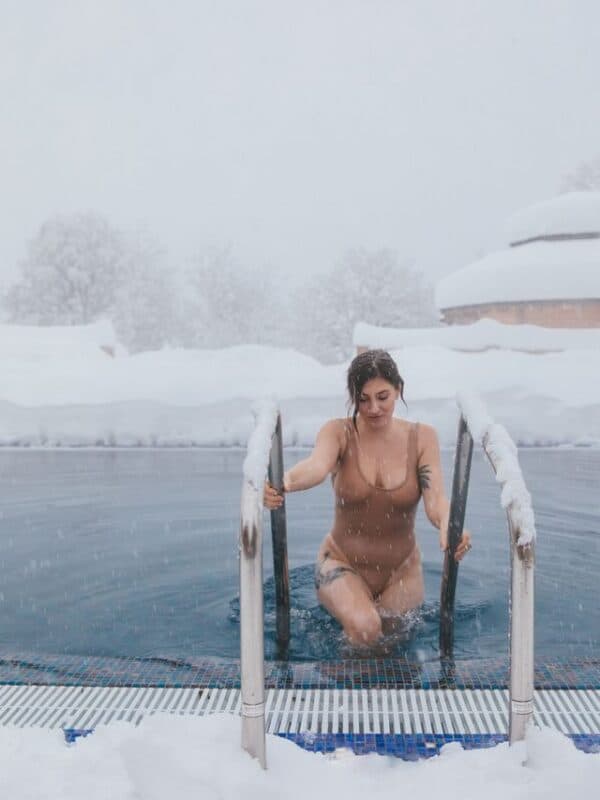
LIT Method outlines how to open a recovery studio in 2026
LIT Method turns the recovery-studio boom into a build sheet: space, equipment, sanitation, staffing, and pricing decide whether cold plunge is worth paying for.

A recovery studio only feels effortless when the math, layout, and operations underneath it are doing their job. LIT Method’s setup guide treats sauna-plus-cold-plunge less like a wellness trend and more like a business you have to design from the floor up, with the right footprint, the right equipment mix, and a member experience that runs cleanly enough to justify the ticket price.
The real decision starts with the format
LIT breaks the opening process into seven steps: choose a business model, select a space, design the layout, calculate equipment costs, set pricing, launch in phases, and line up operational support. That sequence matters because it separates a serious studio build from a garage cold plunge or a nice-looking home kit. At home, the question is how to make the ritual work for one person. In a commercial setting, the question is how to make it work dozens of times a day without losing money, creating bottlenecks, or turning maintenance into the hidden cost center.
The guide draws a clear line between three build types. An open community space can run up to roughly 2,500 to 3,000 square feet, which gives operators room for circulation, shared amenities, and a larger member base. Private suites need an 8-by-10-foot minimum footprint per room, which changes the economics entirely because each room becomes a revenue unit. Existing-space add-ons sit somewhere in between, letting a gym, spa, hotel, or wellness business fold contrast therapy into an already operating site instead of starting from scratch.
What the price tag really buys
The cost gap between a commercial studio and a serious home setup is the heart of the story. LIT says a single private sauna-and-cold-plunge suite starts around $12,000, while a full open-community build usually lands between $100,000 and $250,000. That spread is not just about more square footage. It reflects the difference between buying a plunge and building a business around one.
For an at-home setup, the appeal is simplicity: plug-in convenience, fewer users, and fewer moving parts. A recovery studio has to justify its higher spend with throughput, branding, and repeat visits. That means the equipment mix has to do more than look premium. It has to keep people moving, keep water clean, and keep the space productive enough that every square foot earns its keep.
Space, layout, and the member flow problem
Commercial cold-plunge design lives or dies on circulation. The guide’s emphasis on layout shows that the best studios are not just collections of tubs and heaters. They are choreographed spaces where guests can check in, change, move between hot and cold, and exit without crowding the next person. In a private suite model, the 8-by-10-foot minimum footprint is a reminder that even the smallest room has to fit real use, not just equipment.
That is where studio design diverges sharply from home construction. At home, the ideal layout might be a corner of a patio, a basement nook, or a detached outbuilding. In a commercial space, the flow has to support scheduling, cleaning cycles, and a member experience that feels orderly even when the room is full. The studio that gets this right is paying for convenience as much as contrast therapy.
Sanitation is not optional theater
The compliance side of the business is just as important as the aesthetic side. The Centers for Disease Control and Prevention says the Model Aquatic Health Code is guidance for public aquatic venues such as pools, hot tubs, and splash pads, and it warns that poor maintenance can spread germs that cause diarrhea, skin illnesses, and respiratory illnesses. Cold-plunge tanks add another layer of complexity because cold temperatures can reduce disinfectant effectiveness, which means cleaning and maintenance planning have to be built into the operation from day one.
That is one of the clearest distinctions between a home plunge and a paid recovery studio. At home, sanitation is personal responsibility. In a public studio, sanitation becomes part of the product. Clean water, documented upkeep, and a visible maintenance rhythm are what make the space feel worth paying for, especially when members are sharing the same tubs across the day.
Permits, access, and the unglamorous code work
The guide also points to the bureaucracy that separates a concept from a real opening. The 2021 International Building Code includes a specific accessibility section for saunas and steam rooms, and ADA-related guidance notes that commercial cold plunges may need an accessible means of entry at initial occupancy. That means the build has to think about access routes, not just cooling systems and bench placement.
Utilities and inspections matter too. Sauna installations are governed by the National Electrical Code and local authority-having-jurisdiction rules, which can affect grounding, disconnects, and inspection timing. Insurance guidance adds another layer by stressing that sauna fire risk drops when equipment is properly installed, operated, and maintained. In other words, a recovery studio is not just a spa project. It is a regulated space where electrical, fire, health, and accessibility decisions all meet at the same front desk.
Why operators keep adding contrast therapy
The commercial case keeps getting stronger because the category is no longer niche in the way it once was. LIT says wellness real estate grew from $151 billion in 2017 to $876 billion in 2025 and is forecast to reach $1.8 trillion by 2030. The Business Research Company puts the broader health and wellness market at $6.82835 trillion in 2025, projected to reach $10.36797 trillion by 2030, while wellness tourism is estimated at $974.57 billion in 2025 and $1.54542 trillion by 2030.
Within the recovery niche itself, the Business Research Company says the contrast therapy units market reached $15.4 billion in 2025 and is projected to hit $23.77 billion by 2030. A related contrast therapy equipment market report puts the equipment segment at $1.53 billion in 2025, rising to $2.56 billion by 2030. LIT also says partner studios have seen higher weekly member visits and repeat usage after adding contrast therapy, a reminder that the draw is not just novelty but retention.
What makes a studio worth paying for
The strongest recovery studios are the ones that solve the full stack: space that flows, equipment that fits the model, sanitation that holds up, and pricing that matches the experience. A home setup can deliver the ritual. A commercial build has to deliver the ritual repeatedly, safely, and at a scale that supports payroll, utilities, and the kind of member consistency that keeps doors open.
That is the difference the guide makes plain. The cold plunge itself may be the hook, but the business only works when the room around it is designed like a place people will return to, not just try once.
This article was produced by Prism’s automated news system from verified source data, official records, and press releases, then run through automated quality and moderation checks before publishing. The system is built and supervised by the people who set the standards it runs under. Read our full AI policy.
Did this article answer your question?