Nordic Wellness Traditions, Ice Baths and Saunas Gain Social Appeal in America
Cold plunges are becoming a social wellness flex in the U.S., but the full Nordic ritual is bigger than ice alone, and the cold side comes with real risk.
What actually survives when Nordic wellness crosses the Atlantic
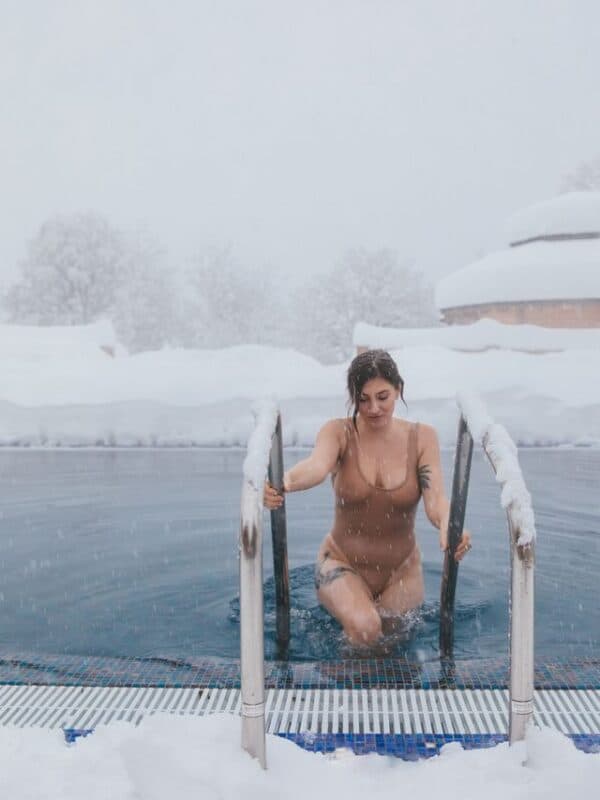
Cold plunges are no longer just a biohacker dare. In the United States, they are being sold as part of a broader Nordic routine built on heat, chill, nature, and company, with sauna use, ice baths, and forest immersion framed as tools for mental and physical well-being rather than exotic imports.
That shift matters because the original model is not a one-note recovery hack. The Nordic version works as a system: sauna, cold exposure, and time outdoors reinforce one another, and the social piece is as important as the temperature change. Once the ritual is stripped down to a standalone tub, it starts to look less like a cultural practice and more like a consumer product.
The social core of the ritual
In Finland, sauna is not treated as a private recovery chamber in the way many Americans first encounter it. A Finnish cultural steward cited in the coverage describes sauna as deeply social, a place people go not only for solitude but to spend time with others. UNESCO’s description lines up with that view, calling Finnish sauna culture an integral part of daily life in homes and public places, and stressing that it is much more than simply washing oneself.
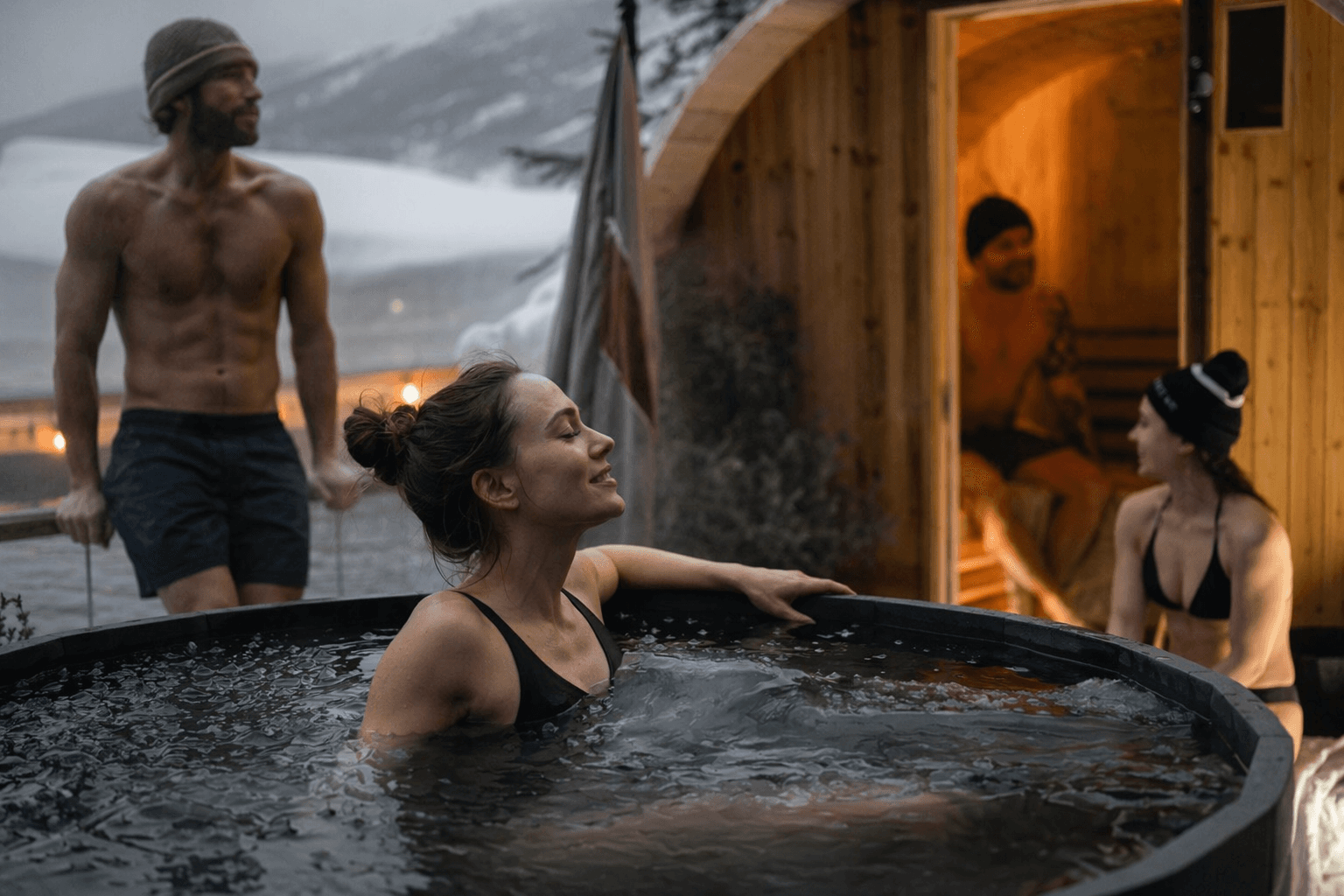
That context helps explain why the practice traveled so well once it was reframed. UNESCO inscribed sauna culture in Finland on its Intangible Cultural Heritage list in 2020, which gives the tradition a clear cultural anchor, not just a wellness marketing story. In North America, that social dimension is starting to reappear as people gather around shared sauna rooms and communal cold plunges instead of treating each session like a solitary test of will.
Forest immersion broadens the picture even further. The Nordic mindset is not only about enduring cold water; it is about a reset that can include time in nature, a slower pace, and an environment designed around recovery. That is a very different proposition from the stripped-down American version that sometimes reduces the whole idea to how many seconds someone can stay in the tub.
Why the American version looks different
The U.S. wellness market has translated Nordic ritual into something more design-driven, more aspirational, and often more commercial. Wellness clubs and hotels are increasingly marketing ice baths and cold plunges as communal amenities and status-signaling experiences, which changes the emotional pitch of the practice. The tub is no longer only about recovery after training; it is also about belonging, aesthetics, and being seen in the right place.
That has practical consequences. When cold plunges become part of a social-club model, they stop being isolated equipment and start being part of a premium lifestyle package. The experience is bundled with hospitality, membership, travel, and branded recovery spaces, which is exactly where the current American market seems to be headed.
A useful way to separate the two models is to ask what remains intact:
- Authentic Nordic contrast ritual:
- Sauna is social and woven into daily life.
- Heat, cold, rest, and nature work together.
- The goal is ritual, not just recovery metrics.
- Commercial American version:
- Cold exposure is often sold as a standalone amenity.
- The emphasis shifts to recovery, luxury, or status.
- Social use is real, but often designed as a feature of the venue.
That difference does not make the American version fake. It does mean the cultural translation is incomplete. The parts that survive are the most marketable ones, while the slower, more communal, less photogenic parts are easiest to leave behind.
The business case is getting stronger
There is also a clear market signal behind the cultural shift. Grand View Research projects the U.S. sauna market will grow from roughly $197.6 million in 2024 to $311.4 million by 2033, with a 5.4 percent compound annual growth rate from 2026 to 2033. That kind of growth suggests sauna demand is not just following a fad; it is building a base that can pull the rest of the Nordic wellness ecosystem along with it.
That matters for ice baths because the cold-plunge economy often rides on adjacent sauna demand, premium wellness retail, and the broader appetite for Nordic-inspired routines. Once a facility invests in a heat-and-cold setup, the sale becomes about the full experience, not a single tank of chilled water. The more the market leans into hospitality, the more likely it is to treat contrast therapy as a shared lifestyle rather than a niche training tool.
What the evidence says, and what it does not
The strongest medical support in this space still belongs to sauna use, not cold plunging. A long-running Finnish cohort study published in JAMA Internal Medicine followed participants for a median 20.7 years and found that more frequent sauna bathing was associated with lower risks of sudden cardiac death, fatal coronary heart disease, fatal cardiovascular disease, and all-cause mortality. That does not prove sauna is a cure-all, but it does give the heat side of the ritual a depth of evidence that the cold side has not matched.
The cold exposure story is more cautionary. The American Heart Association warns that sudden cold-water immersion can be dangerous, especially for people with heart conditions, and says there is little evidence supporting health claims for cold-water swims. The Centers for Disease Control and Prevention adds that cold water immersion can trigger immersion hypothermia faster than standard hypothermia, and that hypothermia can occur in water below 70 degrees Fahrenheit.
Those warnings do not mean every plunge is reckless. They do mean the American habit of treating cold exposure as a universal wellness fix is not supported in the same way the marketing implies. If the sauna is the older, more socially embedded practice with a clearer research trail, the ice bath is the newer one still being sold faster than it has been validated.
The bottom line for the ice bath crowd
The current American wave is not just about getting colder. It is about importing a whole wellness grammar from Finland and the wider Nordic region, then translating it into a form that fits clubs, hotels, and premium recovery spaces. What survives is the idea of contrast, the social energy, and the appeal of ritual. What often gets stripped away is the daily-life context, the nature connection, and the sense that sauna culture is about much more than endurance.
That is the real split to watch as the market grows. The U.S. is embracing the spectacle of cold plunging, but the deeper Nordic tradition still points back to something harder to commercialize: heat, rest, nature, and community, held together as one practice rather than sold in pieces.
This article was produced by Prism’s automated news system from verified source data, official records, and press releases, then run through automated quality and moderation checks before publishing. The system is built and supervised by the people who set the standards it runs under. Read our full AI policy.
Did this article answer your question?