Why Ice Baths Can Turn Dangerous in Extreme Heat
Cold water can feel like relief, but in a heatwave it can flip into gasping, blood-pressure spikes, and drowning risk. The safer move is controlled cooling, not a viral plunge.
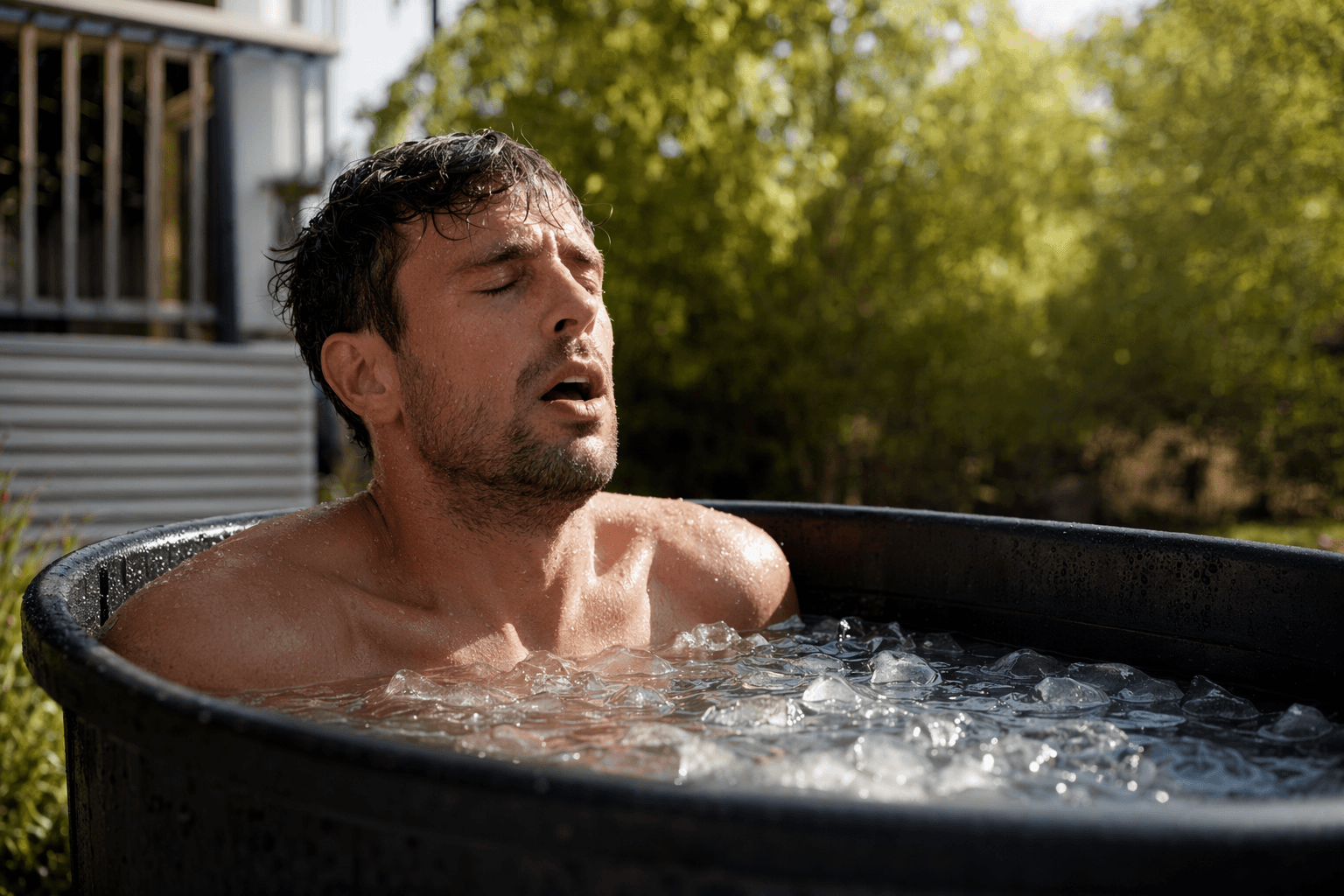
The trap of the instant plunge
Ice baths look harmless on a phone screen. Someone steps into a frosty tub, grits through the shock, and posts the reel like they’ve found the cheat code for summer. The problem is that an overheated body is already trying to cool itself the smart way, by vasodilation and sweating, which push warm blood toward the skin so heat can escape. A sudden plunge into very cold water does the opposite: it can slam the brakes on that process and trigger a cold-shock response.
That matters most in extreme heat, when the body is under stress before the ice even touches skin. The urge to find instant relief is understandable, but the physiology is not forgiving. A viral cold dip is not the same thing as a controlled recovery tool, and the gap between those two ideas is where people get hurt.
What cold shock actually does
Cold-water immersion can provoke involuntary gasping, rapid breathing, or hyperventilation, and that uncontrolled breathing is one of the fastest ways a plunge turns into an emergency. The National Weather Service warns that the shock of sudden immersion can create a drowning hazard quickly, and the CDC defines drowning as respiratory impairment from submersion or immersion in liquid. In plain English: if your breathing goes off the rails, the water does not care whether you meant this to be wellness.
The shock response also hammers the cardiovascular system. Guidance from the Washington State Department of Health says cold-water immersion can stress the heart, and the National Weather Service notes that it can send heart rate and blood pressure up suddenly, which is dangerous for vulnerable people. Washington’s guidance also says blood can leave the extremities within minutes, cutting strength and coordination right when you need both to climb out safely.
That is why the common fatal mechanism is often drowning, not just hypothermia alone. When breathing becomes frantic and coordination slips, the plunge becomes much harder to control. In the worst cases, the water itself becomes the immediate threat.
Why heatwaves make the risk worse
Extreme heat is not a background inconvenience; it is the weather-related hazard responsible for the highest number of annual deaths in the United States. That is exactly why the “cool off fast” instinct can backfire. When you are already overheated, tired, and maybe a little lightheaded, the idea of a dramatic cold reset sounds useful, but your body is primed for stress, not shock.
This is also why the trend is so seductive online. A 2022 British Journal of Sports Medicine editorial described cold-water immersion as a “hot topic” amid an explosion of interest in ice baths, cold showers, and open-water dips. The social media version makes it look clean, simple, and heroic. The physiology version is messier: sudden cold can force a sharp breathing reaction, raise cardiovascular strain, and reduce your ability to move.
Who should stay away from it
If you are already overheated, do not treat an ice bath as your first move. The risk is especially bad if you are alone, feel faint, cannot control your breathing, or are already struggling to recover from heat stress. Sudden immersion under 60 degrees Fahrenheit is the kind of exposure the American Heart Association, citing the National Center for Cold Water Safety, says can kill in less than a minute.
It is also a poor idea for anyone who is vulnerable to cardiac stress. The cold shock can spike blood pressure and heart rate, and that is not a detail to shrug off when the whole point of the plunge is supposed to be recovery. The danger extends beyond adults, too: The Lancet has reported that immersion deaths are the third most common cause of accidental death in adults and the second in children in most countries, with around 450,000 such deaths worldwide in 2000.
Controlled cold exposure is not panic cooling
There is a real difference between a measured cold-plunge practice and a desperate jump into icy water after a heat-soaked day. The first is planned, supervised, and used as a recovery tool by people who understand their tolerance and their setting. The second is a stunt, and stunts do not give the body time to adapt.
That distinction matters because the evidence for the benefits is still thin. Harvard Health says the case for cold-plunge benefits such as stress reduction and better sleep is not strong, even if some studies hint at possible effects on mood or adaptation. Dr. Jorge Plutzky has also noted that any benefits are still not clearly established, which is another reason not to confuse hype with proof.
If you already use cold exposure, keep it boring and deliberate. Use it as a controlled practice, not as an emergency response to heat. The second your breathing turns ragged or you feel that involuntary shock, the session has stopped being a recovery tool.
The safer way to beat the heat
When the goal is cooling off during a heatwave, the proven options are less glamorous and much safer. Shade, hydration, air conditioning, cooling centers, and medical treatment for heat illness are the tools that actually belong in the front line. Those are not influencer-friendly answers, but they are the ones that respect how the body handles thermal stress.
The practical rule is simple: if the heat has already hit you hard, do not answer it with a sudden ice-water shock. Use gradual cooling, get out of the sun, and treat any symptoms of heat illness seriously. Ice baths have a place in a narrow, controlled recovery routine; they do not belong as a quick-fix stunt when the temperature outside is punishing.
This article was produced by Prism’s automated news system from verified source data, official records, and press releases, then run through automated quality and moderation checks before publishing. The system is built and supervised by the people who set the standards it runs under. Read our full AI policy.
Did this article answer your question?