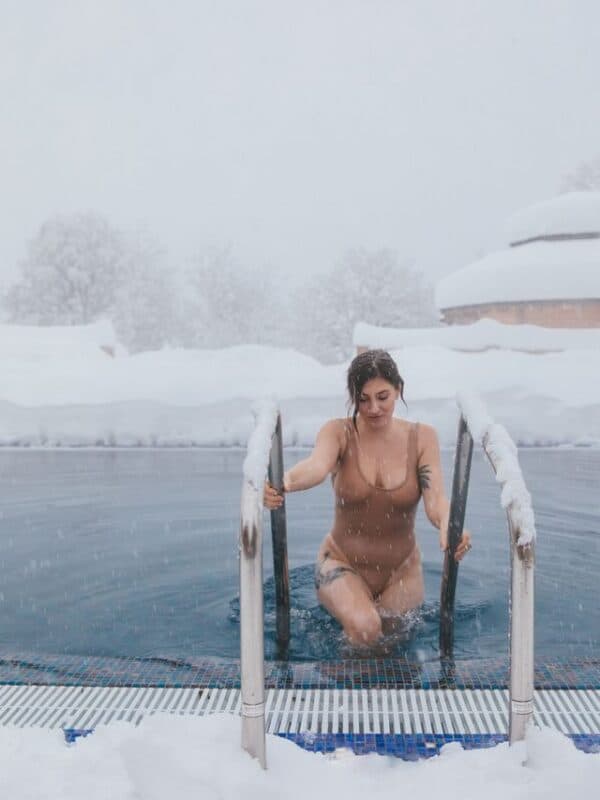
Saunas and ice baths become a garden trend for 2026
Garden saunas and ice baths are leaving the retreat and moving into ordinary backyards. The real test is whether your garden can support the space, upkeep and year-round routine.
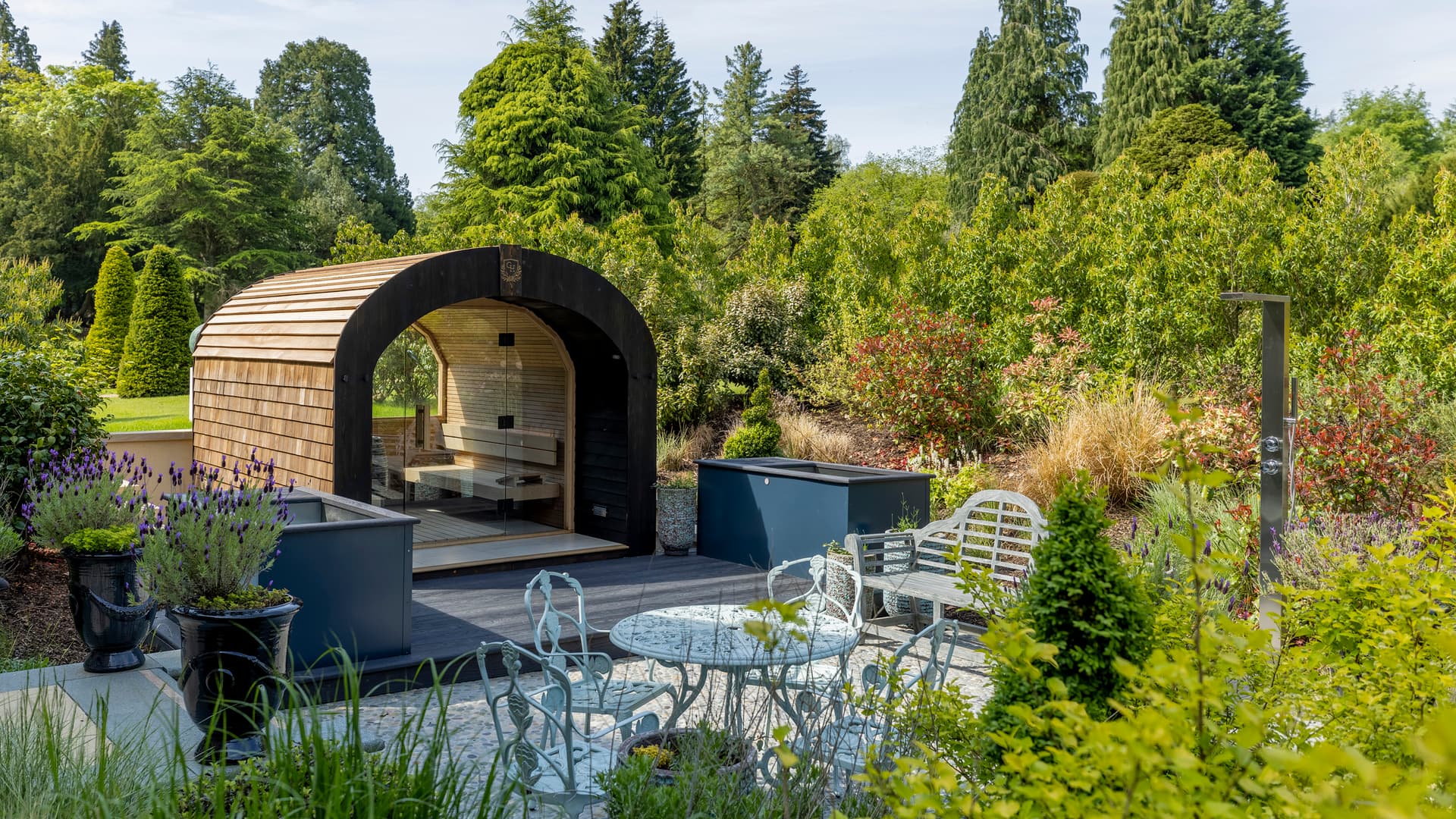
From retreat perk to backyard fixture
The new garden status symbol is not a bigger patio set, it is a sauna door next to an ice bath. What makes the shift interesting is not just the look, but the way city living has changed the job description of a garden: it is now expected to host, relax, and function as a private wellness zone at the same time.
That is why this trend feels different from a simple outdoor design fad. More budget-friendly options are entering the market, which pulls contrast therapy out of the rarefied world of countryside escapes and coastal retreats and into ordinary homes. In practice, that means the backyard is being asked to do what a spa once did, only without the booking slot.
Why the market suddenly feels real
The clearest sign that this is not a passing mood is the speed of the sauna build-out in the UK. Jake Newport of Finnmark Sauna says the country had around 45 public saunas in 2023 and now has more than 760, with the number still growing every week. A separate May 2026 spa-garden coverage put the total at 700, which still points to the same thing: a market growing fast enough to change what people think belongs in a garden.
That growth also helps explain why sauna culture now feels more familiar to British homeowners. Europe, especially Scandinavia and Eastern Europe, has long treated sauna use as normal rather than niche, and that cultural baseline is making the idea of a backyard sauna feel less like a luxury novelty and more like an import that finally fits. Finnmark Sauna, which describes itself as a UK-based specialist in authentic sauna experiences, offers bespoke installations, equipment and self-build advice, a reminder that this trend is already moving beyond inspiration boards and into actual planning.
Jake Newport’s profile matters here too. He was named a sauna ambassador by Sauna from Finland, which helps explain why he has become such a visible voice for the movement. When a specialist installer is talking not just about the product but about self-build advice, the signal is clear: people are no longer just admiring the idea, they are trying to make it work at home.
What readers actually need to ask before buying
The fantasy version of this trend is simple: step out the back door, heat up, plunge, repeat. The real version is more practical. A sauna and ice bath set-up has to live somewhere, work in all seasons, and fit around the way a garden is already used for hosting, drying washing, kids, pets, tools and everything else ordinary life throws at it.
That is why the practical questions matter as much as the wellness pitch.
- Is there enough room for both pieces without swallowing the whole garden?
- Can the water side be drained, refilled and cleaned without becoming a chore?
- Is there a power setup that can support regular use without turning into a headache?
- Will the space still work in colder, wetter months, when a garden becomes harder to use?
- Does the layout invite repeat use, or does it only look good in photographs?
This is where the phrase “garden trend” can be misleading. The trend may start with design, but it succeeds or fails on infrastructure. If a setup is too awkward to maintain, too exposed to weather, or too expensive to keep running, it stops being a wellness ritual and becomes an outdoor ornament with a very large footprint.
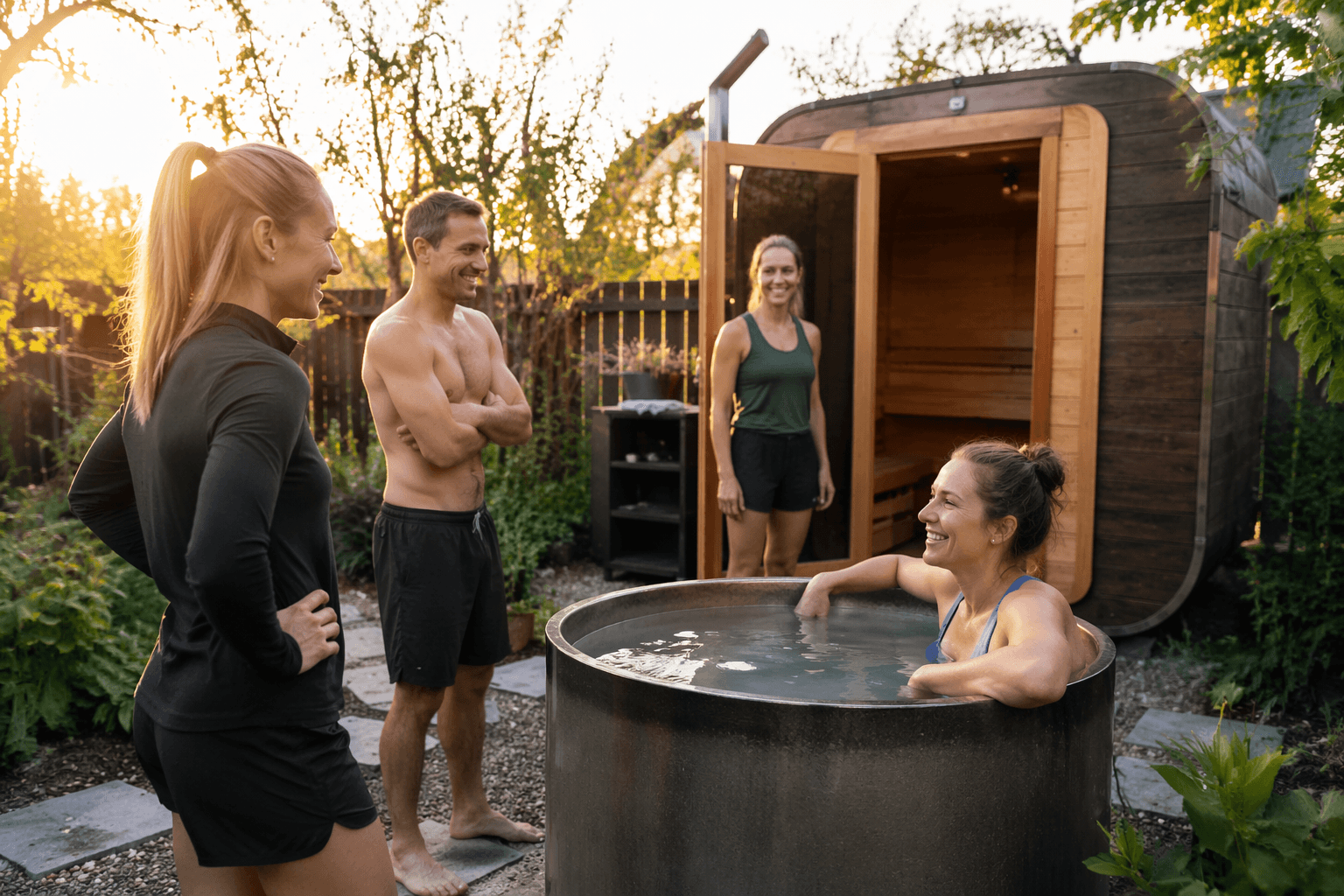
The safety piece is part of the design brief
The move from supervised spa to private garden also changes the risk profile. The University of Portsmouth says cold immersion can trigger a cold-shock response, and that severe cardiovascular events can occur, especially in people with undiagnosed heart, vessel or brain conditions. The Royal Yachting Association adds that cold water shock can cause a rapid increase in heart rate and blood pressure and can even lead to cardiac arrest.
That warning matters because the appeal of a backyard set-up is its casualness. The whole point is access, repeatability and convenience. But cold-water therapy is not just a lifestyle accessory, and the British Heart Foundation says people should understand the benefits and risks of cold-water swimming, especially if they have heart disease.
The useful takeaway is not to scare people off the ritual, but to treat the ritual as a real physical intervention. The more domestic the setup becomes, the more important it is to respect gradual exposure, supervision and medical caution. A private garden can make contrast therapy easier to do, but it does not make the body less reactive.
Why the social side helped this spread
Part of the reason sauna culture is now spilling into gardens is that it stopped being solitary recovery and became a social scene. London’s sauna boom accelerated in 2022 with the opening of Community Sauna Baths on a derelict site at the back of a 1930s public bathhouse in Hackney. That setting matters: it takes an old public-wellness shell and gives it a new life, which is exactly the kind of cultural recycling this trend depends on.
Later coverage showed how far that social energy had travelled. Community Sauna Baths hosted Saunaverse for the third year in a row, with hundreds of people alternating between saunas and ice-cold plunge baths. ARC then pushed the format further, billing itself as the UK’s first contrast therapy club and largest sauna. Once sauna use starts looking like an evening out rather than just a recovery tool, it becomes much easier to imagine the same ritual moving into a garden at home.
An old ritual in a new residential wrapper
There is also a longer history beneath the current boom. The University of Portsmouth notes that the Roman frigidarium included a cold plunge pool or bath, so the basic pattern of heat, cold and recovery is hardly new. What is new is the consumer market around it, helped along by modern commercial cold plunge centres and home ice baths.
That is the real shape of the 2026 garden story. It is not simply that saunas and ice baths look stylish outside. It is that an old ritual, once tied to bathhouses, spas and specialist venues, is being redesigned for ordinary backyards, one footprint, one drainage plan and one winter afternoon at a time.
The homeowners who make it work will not just be buying a trend. They will be building a small private thermal routine into the garden itself, and that is a much bigger shift than outdoor furniture ever managed.
This article was produced by Prism’s automated news system from verified source data, official records, and press releases, then run through automated quality and moderation checks before publishing. The system is built and supervised by the people who set the standards it runs under. Read our full AI policy.
Did this article answer your question?