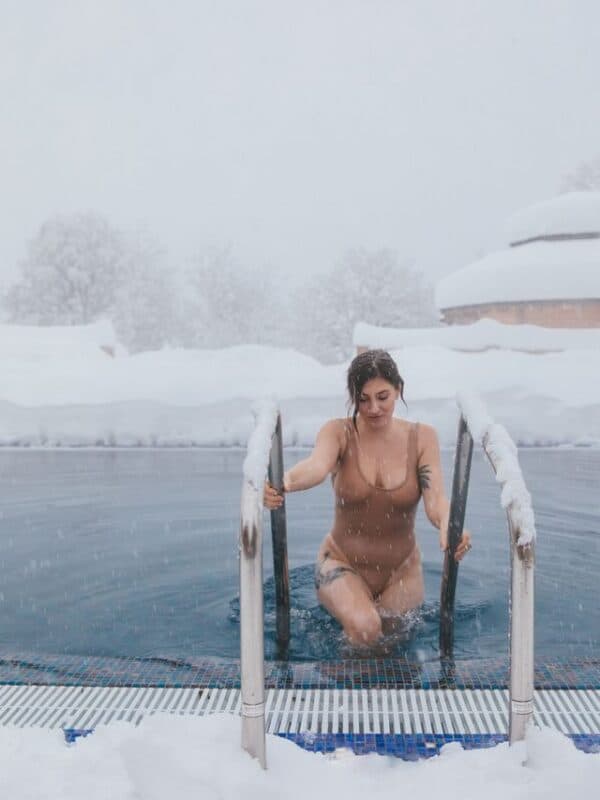
Study finds a week of cold-water immersion boosts cellular cleanup
After seven days in 14°C water, ten young men showed higher autophagy, lower apoptotic signaling and better cold tolerance.

A week of daily 14°C plunges was enough to change what happened inside the cells of ten healthy young men, not just how they felt in the tub. Researchers at the University of Ottawa tracked those changes across seven straight days of cold-water immersion, looking for signs that the body was learning to handle the stress instead of merely surviving it.
The study, led by Kelli E. King, James J. McCormick and Glen P. Kenny, was published in Advanced Biology and e-published Nov. 27, 2024. Its title, The Effect of 7-Day Cold Water Acclimation on Autophagic and Apoptotic Responses in Young Males, captures the central question: does repeated exposure change the cell’s stress response? The answer, in this small trial, was yes. Participants sat in 14°C, or 57.2°F, water for one hour a day for seven consecutive days.
Blood samples were taken before and after cold exposure on days 1, 4 and 7, and the team used Western blotting to measure autophagy, apoptosis, the heat shock response and inflammation. The pattern shifted over the week. By the end of acclimation, autophagic activity had increased, while apoptotic and inflammatory signaling had fallen. The heat shock response rose after cold exposure, but it did not change across the acclimation period, suggesting some parts of the stress response stayed steady even as others adapted.
The paper also went beyond the live immersion sessions with ex vivo hypothermic cooling tests on whole blood and peripheral blood mononuclear cells. Those tests showed improved autophagic activity and reduced apoptotic signaling even after simulated cooling, although the signals remained above basal levels. In other words, the cells handled the cold better after a week, but they did not revert to a pristine resting state.
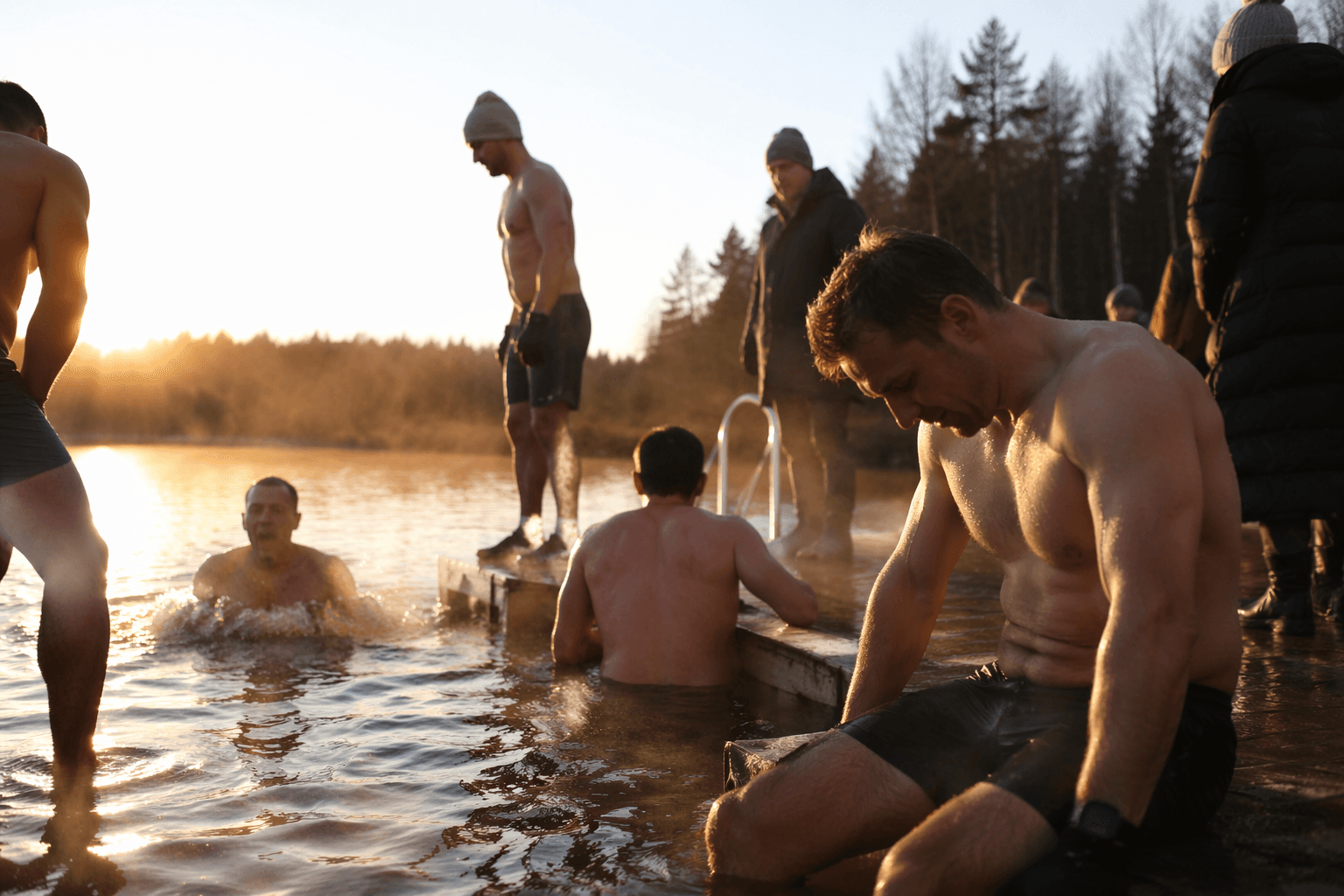
The University of Ottawa said the findings suggest repeated cold exposure can improve cellular resilience against stress. That is a useful framing for ice bath users who think in terms of dosing, frequency and adaptation, not just one-off grit. It also keeps the result in proportion. The sample was only ten healthy young males, and the work was a tightly controlled experiment, not a broad anti-aging trial.
That caution fits the wider cold-plunge conversation. A 2025 systematic review in PLOS One found cold-water immersion has gained traction as a health and wellbeing practice, but the evidence for many claimed benefits remains limited. Harvard Health said in 2025 that studies are still limited and that several reported benefits have been short-lived. For this study, the takeaway was narrower and more interesting: the body did not just endure the week, it began to adapt to it.
This article was produced by Prism’s automated news system from verified source data, official records, and press releases, then run through automated quality and moderation checks before publishing. The system is built and supervised by the people who set the standards it runs under. Read our full AI policy.
Did this article answer your question?