Study Finds Hot Baths Aid Muscle Recovery Better Than Ice Baths
A small study found a 104-degree soak beat a 59-degree plunge for jump performance, even as soreness stayed the same.
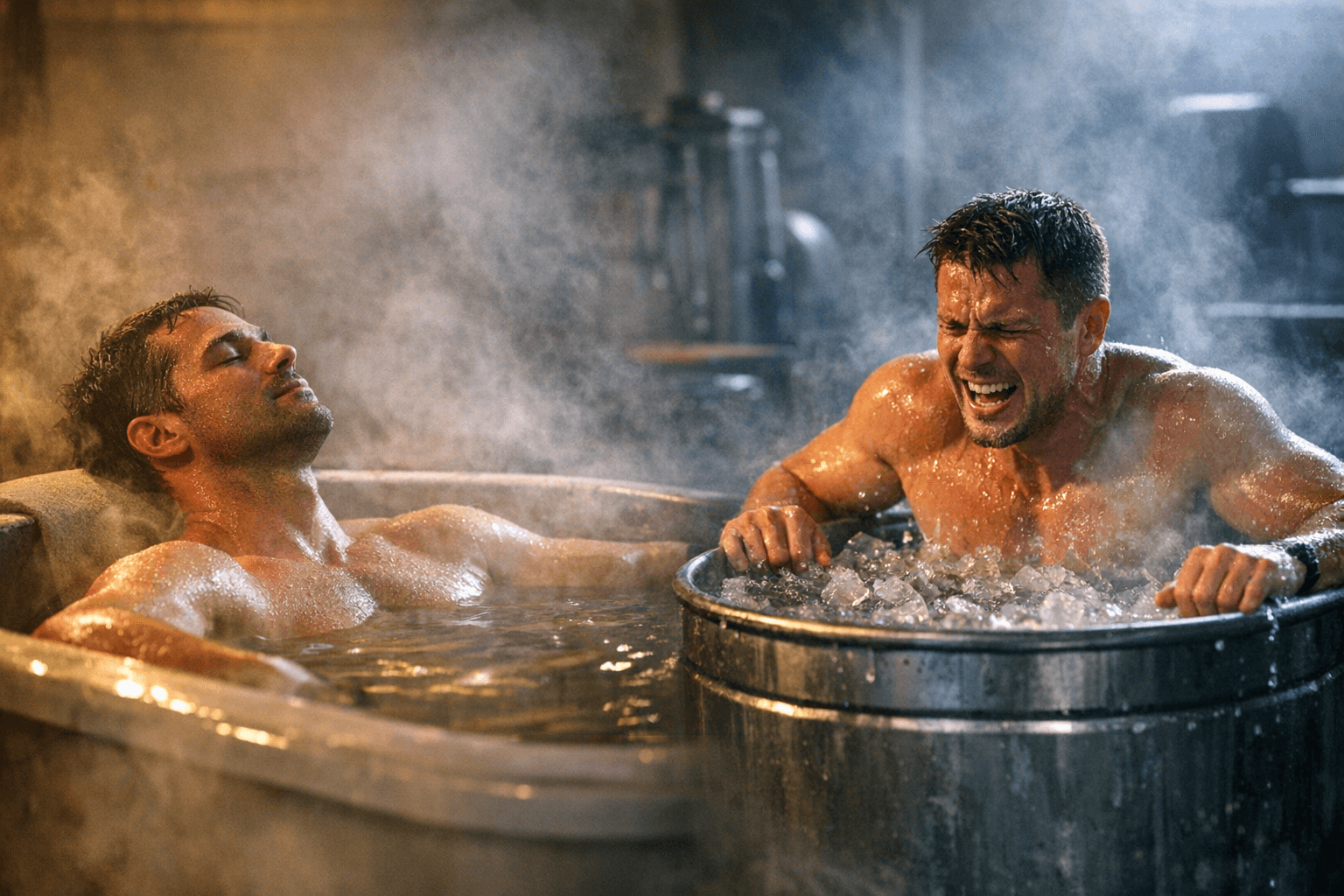
The cold plunge lost this round. In a small exercise study presented Nov. 21, 2024, at the Integrative Physiology of Exercise Conference in University Park, Pennsylvania, 10 young men who ran hard for 50 minutes recovered better for immediate performance after a hot soak than after a cold one.
The protocol was simple and brutally familiar to anyone who has ever stood over a tub after training: 20 minutes in 59-degree water, 20 minutes in 104-degree water, or plain rest. One hour later, jump height was lower after the cold soak than after the hot soak, while muscle soreness did not differ between the two water temperatures. The practical message is hard to miss for anyone who needs to perform again later the same day, whether that means halftime in football or soccer, or a second event in a back-to-back schedule.
Mamoru Tsuyuki, a master’s student in sports and health science at Ritsumeikan University in Shiga, Japan, said the hot-water result points to a simple mechanism: warmer water may increase blood flow to damaged muscle fibers, helping repair and improving power output. In the recovery world, that makes heat look less like a comfort choice and more like a tool for athletes who care about what their legs can do an hour from now.
That does not erase the place of ice. Tsuyuki said cold water may still be best for injuries, and the wider research helps explain why the cold-plunge crowd has never been completely wrong, only very specific about its use case. A 2022 systematic review and meta-analysis of 68 studies found cold-water immersion could improve short-term endurance recovery after some exercise, even as it impaired sprint and jump performance in the first hours after immersion. That same review also found longer-term improvements in jump and strength recovery in some settings, along with lower soreness and creatine kinase.
The picture grew more complicated in 2023, when a meta-analysis of 10 studies with 170 participants, 92 percent male, found cold-water immersion after resistance training blunted strength gains overall. The effect varied depending on whether the cold covered a single limb or the whole body. A 2024 review of thermal modalities landed in the same place: cold therapy can reduce delayed-onset muscle soreness and help with generalized muscle injury or fatigue, but hot and cold each have their own jobs, and timing matters.
That is the real decision guide for recovery at home. If the goal is tomorrow’s workout, soreness relief, or the ritual of a plunge that resets the mood, cold still has a role. If the goal is to get power back fast after a hard session, especially when another effort is coming soon, the hotter bath now looks like the smarter stop between training and performance.
This article was produced by Prism’s automated news system from verified source data, official records, and press releases, then run through automated quality and moderation checks before publishing. The system is built and supervised by the people who set the standards it runs under. Read our full AI policy.
Did this article answer your question?