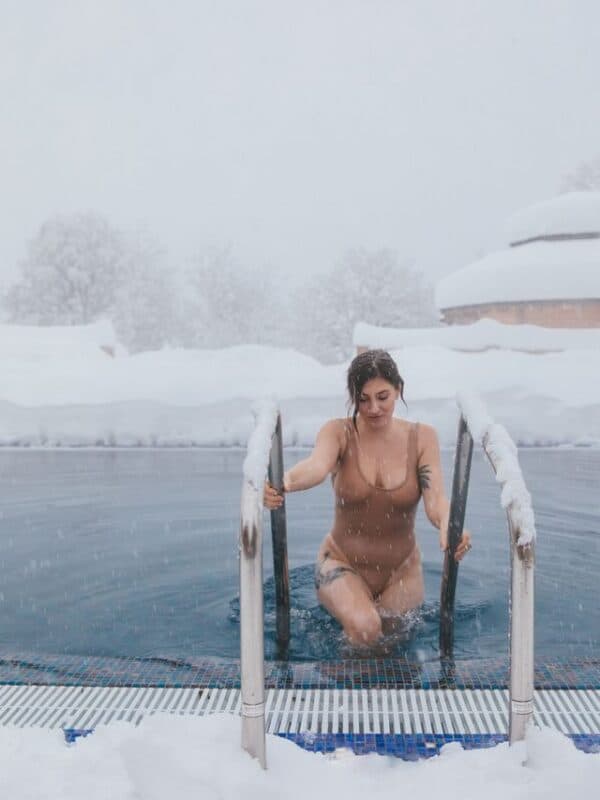
Gary Brecka says ice baths work best at 48 to 52°F, 3 to 6 minutes
Brecka’s sweet spot is less extreme than the internet claims: 48 to 52°F for 3 to 6 minutes, with consistency beating heroics.
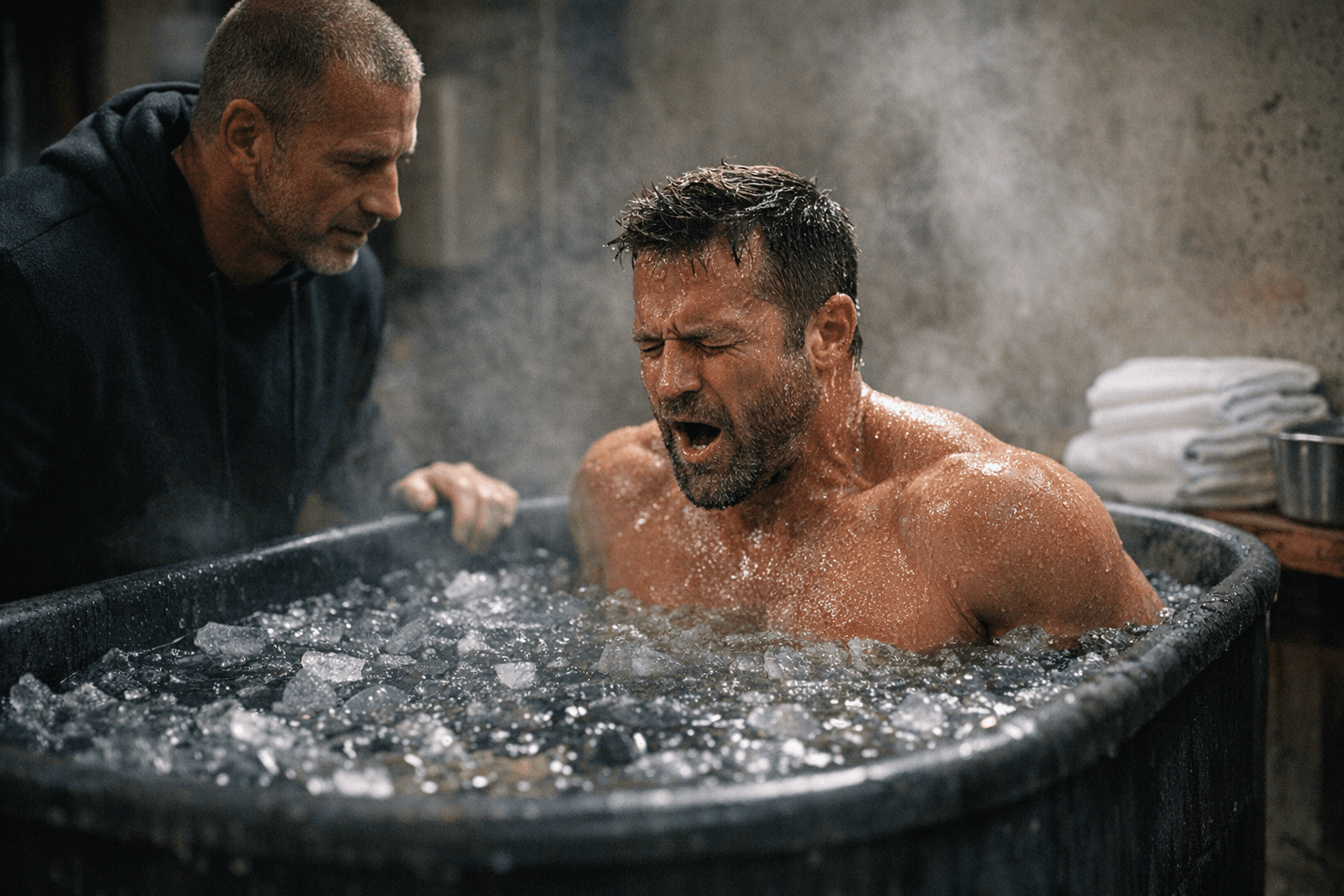
The real sweet spot
Gary Brecka’s ice-bath prescription is the rare wellness tip that sounds almost boring: don’t chase arctic water, don’t try to suffer through a half-hour, and stop turning recovery into a toughness contest. The number to remember is 48 to 52°F for 3 to 6 minutes, which is a lot more precise than the usual social-media fog. Harvard Health noted that most published studies it reviewed used water at 59°F or colder for 3 to 20 minutes, so Brecka’s range sits inside the commonly studied zone without drifting into stunt territory.
Why this advice cuts through the hype
The reason this matters is that cold plunges still do not come with a universally accepted playbook. A 2022 British Journal of Sports Medicine review said the scientific rationale for cold-water immersion was not clear and that there were no clear guidelines for its use. A PubMed-indexed review that evaluated the temporal recovery profile of physical performance pulled in 68 studies, and a 2023/2024 meta-analysis said the practice is widely used for recovery but the overall evidence base is still uncertain.
That is the part a lot of ice-bath content skips. The field is active, popular, and still debated. A recent systematic review on health and wellbeing said more conclusive studies are needed before anyone should make hard-edged health claims. So the smartest way to use Brecka’s number is not as gospel, but as a practical middle ground between people who want a magic fix and people who want to turn every plunge into an endurance test.
The actual sweet spot
Brecka’s version is simple: 48 to 52°F, 3 to 6 minutes, and consistency over intensity. That is the key myth-bust, because a lot of plunge culture still acts like colder automatically means better. Cleveland Clinic’s guidance pushes in the same direction for most people: many beginners start in the 50 to 59°F range, and it says not to go below about 40°F or push past five minutes for many users.
For a first-timer, the smarter move is to live at the warmer end of that band and earn the lower end later. A session at 52°F for 3 minutes is a real cold plunge; it is just one that you can repeat next week without dreading it. The point is not to win a bragging contest with the thermometer. The point is to find a dose you can actually keep using.
What the body is supposed to be doing
The appeal of the colder end of the spectrum is the physiology. Cold exposure is often discussed in terms of norepinephrine and dopamine release, brown fat activation, and recovery support. Research on winter swimmers adds another interesting piece: brief cold dips two to three times per week were associated with altered brown fat thermoregulation and enhanced cold-induced thermogenesis in Scandinavian men.
That does not mean every plunge will turn into a metabolic miracle. It does mean there is a plausible reason to keep the dose short and controlled rather than turning the water into a dare. In cold exposure, more is not always better; sometimes more is just more stress.
How to do it without buying a luxury setup
You do not need an ultra-cold chiller to get in the lane Brecka is talking about. What you need is a setup that can hold a consistent low-50s temperature, a thermometer you trust, and a timer that keeps you honest. If your water is already in the 50 to 59°F window, you are much closer to the target than most people realize.
The easiest mistake is overspending on equipment before you can even hold a routine. Build around the repeatable session first:
- measure the water, do not guess
- keep the duration honest, because minutes pile up fast when you are cold
- use the same temperature band often enough to learn what it does to your breathing and recovery
- stay closer to 52°F if you are new, then narrow toward 48°F only if the routine still feels controlled
That is where the “consistency trumps intensity” part becomes practical. The real win is a protocol you can keep doing, not a one-off plunge that leaves you too wrecked to come back tomorrow.
Common mistakes that wreck the point of the plunge
The biggest mistake is chasing extreme cold. Going below about 40°F because you think it will supercharge the results is exactly the kind of thinking that turns a useful tool into a dumb risk. Another mistake is staying in too long, especially once the cold-shock response kicks in and your breathing starts to race.
The American Heart Association warns that entering very cold water can trigger a sudden rise in breathing, heart rate and blood pressure, which can increase drowning risk and cardiac strain. That is not trivia; that is the reason the plunge should be brief, controlled, and never treated like a toughness audition. If your plan depends on grit more than structure, the protocol is already off the rails.
Who needs to be extra careful
People with heart disease need a wider safety margin, because the cold-shock response is exactly the kind of sudden stress that can get ugly fast. The safest mindset is to treat the plunge like a dosage problem, not a personality test. Start warmer, stay shorter, and do not let a good recovery tool become a hard swing that you are using for the wrong reason.
Why this style of cold exposure became so popular
The modern ice-bath wave did not appear out of nowhere. Cold-water immersion has long been used by athletes and winter swimmers, but the mainstream popularity surge is closely tied to figures like Wim Hof, whose cold-exposure practices brought the idea into everyday wellness culture. That popularity has outpaced the science, which is why Brecka’s narrower target is useful: it strips the ritual down to a workable, evidence-aware routine.
The bottom line is simple. If you want the version of ice baths that is most useful in real life, think low-50s water, a few disciplined minutes, and a schedule you can actually repeat. The discipline is the point, not the suffering.
This article was produced by Prism’s automated news system from verified source data, official records, and press releases, then run through automated quality and moderation checks before publishing. The system is built and supervised by the people who set the standards it runs under. Read our full AI policy.
Did this article answer your question?