Study Tracks Heart Rhythm Risks During Cold-Water Immersion Events
A real-world cold-plunge study puts heart rhythm risk in sharper focus, and the takeaway is simple: ice baths deserve respect, not blind routine.
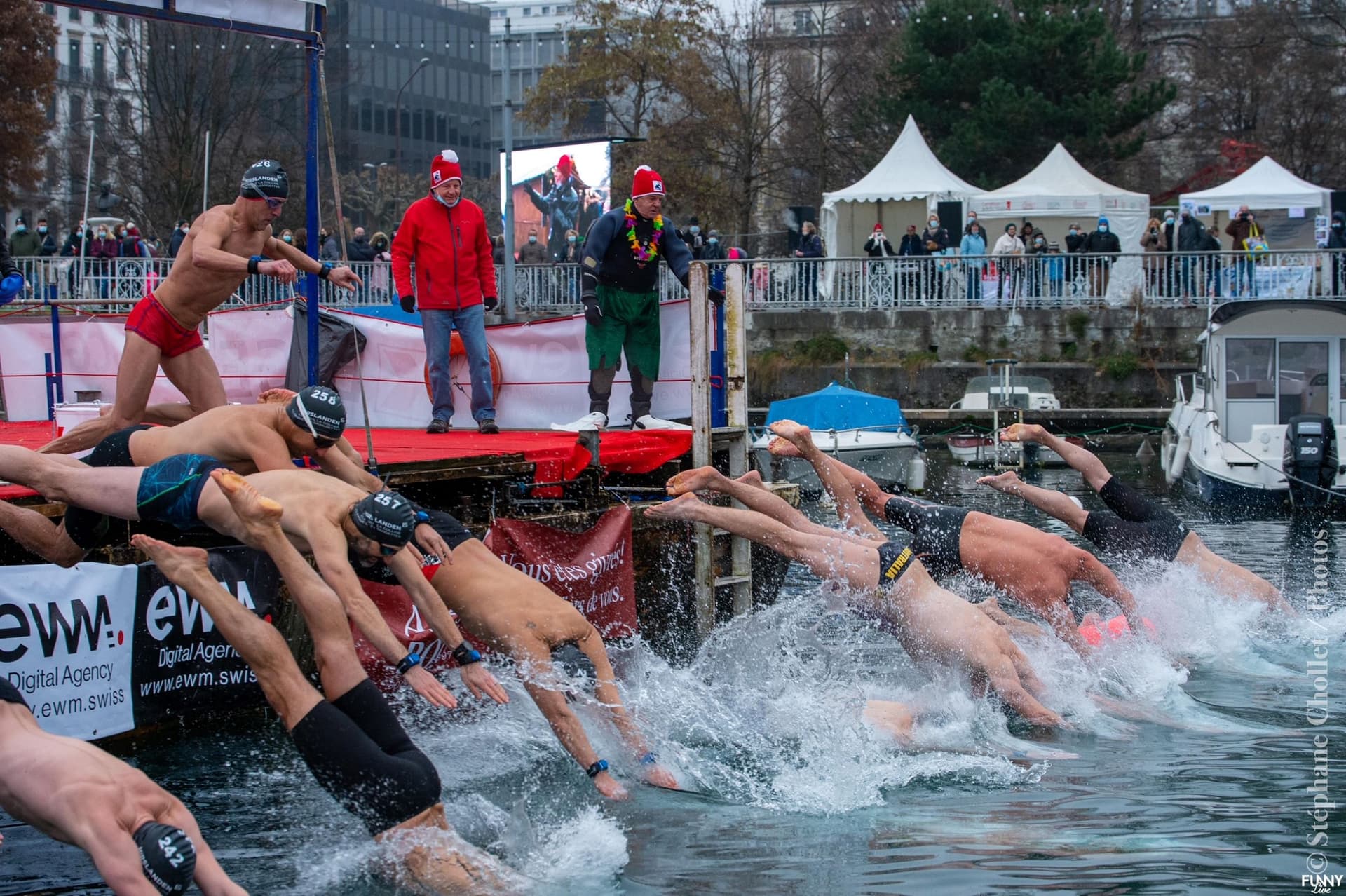
What the Geneva event study changes
A new study pushed cold-water immersion out of the abstract wellness debate and into a live event setting, using continuous extended rhythm monitoring on middle-aged recreational athletes at the 2023 Geneva Christmas Cup in Geneva, Switzerland. ScienceDirect describes that meet as the world’s largest cold-water swimming event, which matters because it shows the researchers were watching people in the same kind of chaotic, adrenaline-fueled environment where many cold-plunge habits actually form.
That shift is important for the ice-bath community. Instead of relying on self-reported discomfort or vague recovery claims, the study looked directly at arrhythmic burden during acute immersion. In plain terms, it asked a hard safety question: what does the heart do when real people hit cold water in the real world?
Why the heart rhythm angle matters
Cold-water immersion has always had a split reputation. On one side, it is praised for physical and psychological benefits. On the other, the cardiac safety profile has never been fully settled, which is exactly why this new monitoring approach stands out. The study focuses the conversation on measurable rhythm risk rather than general enthusiasm, and that should change how casual plungers think about routine sessions.
This is not just academic caution. Earlier review work has already described the cold-shock response as a potentially life-threatening reflex that can trigger hyperventilation, increase cardiac arrhythmias, and raise drowning risk by disrupting safety behavior. That combination is the real problem for hobbyists: the water is not only cold, it can rapidly push breathing and heart control in the wrong direction before you have time to “tough it out.”
What cold shock can do to the body
The older cold-water literature adds another layer of warning. In non-habituated subjects, cold-shock response can cut cerebral blood flow velocity by about 50% because of hyperventilation. That matters because when your breathing gets out of control, your brain may not get the blood flow it needs, and the risk of syncope, aspiration, and drowning rises fast.
This is the part many plunge enthusiasts underestimate. The danger is not only the temperature itself, but the body’s involuntary reaction to it. If cold water makes you gasp, overbreathe, or panic, you are not in a “mind over matter” moment. You are in a physiologic stress response that can make even a short immersion unsafe.
Habituation helps, but it does not erase the risk
A PubMed systematic review found that repeated cold-water immersion can produce habituation, with the cold-shock response often starting to ease after about four immersions. That sounds reassuring at first, but the details matter: the review also says the response varies between studies, which means some people adapt faster than others and some do not settle down in the same predictable way.
For the cold-plunge crowd, that means experience is not a free pass. A body that has gotten used to the water may still react badly under the wrong conditions, especially when the exposure is unsupervised, overly aggressive, or paired with breathing that spirals out of control. Habituation can reduce the shock response, but it does not turn cold immersion into a casual toy.
Who should take this most seriously
The strongest message from the new rhythm-monitoring study is that cold immersion should be treated like a stress test, not a feel-good shortcut. That is especially true if you are new to cold exposure, prone to breath-holding or panic in the water, or have any history that makes heart rhythm concerns more relevant. The study followed middle-aged recreational athletes, which is a reminder that this is not only about elite swimmers or extreme athletes.
If you already know your heart can misbehave under strain, the bar for caution should be higher. If you tend to plunge alone, stay in too long, or chase discomfort as a badge of honor, you are making the exact kind of choices that can turn a manageable cold exposure into an emergency. The real risk is not just the plunge itself, but the lack of buffer around it.
How this should change your cold-plunge habits
Treat every session as a controlled exposure, not a dare. The studies point toward a practical reset for the community: more breathing control, more supervision, and more respect for personal risk. The goal is not to scare people away from cold-water immersion, but to keep the practice from drifting into sloppy, unsupervised routine.
A safer approach looks like this:
- Do not treat the first moments in the water as a time to “push through” gasping or panic.
- Stay alert for warning signs such as palpitations, dizziness, chest discomfort, loss of coordination, or a feeling that breathing is running away from you.
- Avoid solo plunges, especially if you are still learning how your body reacts.
- Build exposure gradually instead of jumping straight to long, intense immersion.
- Pay close attention if you have not yet habituated, since the cold-shock response is strongest before the body adapts.
That is the clearest practical lesson from this research: cold plunges may be mainstream, but mainstream does not mean harmless. The more the community normalizes these sessions, the more important it becomes to normalize screening, supervision, and honest self-checks before getting in.
The bottom line for casual enthusiasts
This study does not kill the cold-plunge movement, but it absolutely changes the tone around it. With continuous rhythm monitoring now being used in a major real-world event, the conversation is moving beyond hype and into the mechanics of what cold water does to the heart. Add in the known cold-shock response, the possibility of arrhythmias, and the documented risks of syncope, aspiration, and drowning, and the safety message is hard to ignore.
Ice baths are not just about grit anymore. If you want the benefits, you need the guardrails too.
This article was produced by Prism’s automated news system from verified source data, official records, and press releases, then run through automated quality and moderation checks before publishing. The system is built and supervised by the people who set the standards it runs under. Read our full AI policy.
Did this article answer your question?