SweatDecks says 50-59°F cold plunges may ease joint inflammation
The sweet spot is narrower than the hype: 50-59°F for 10 to 15 minutes, with 55°F as a sane starting point when a joint is hot and swollen.
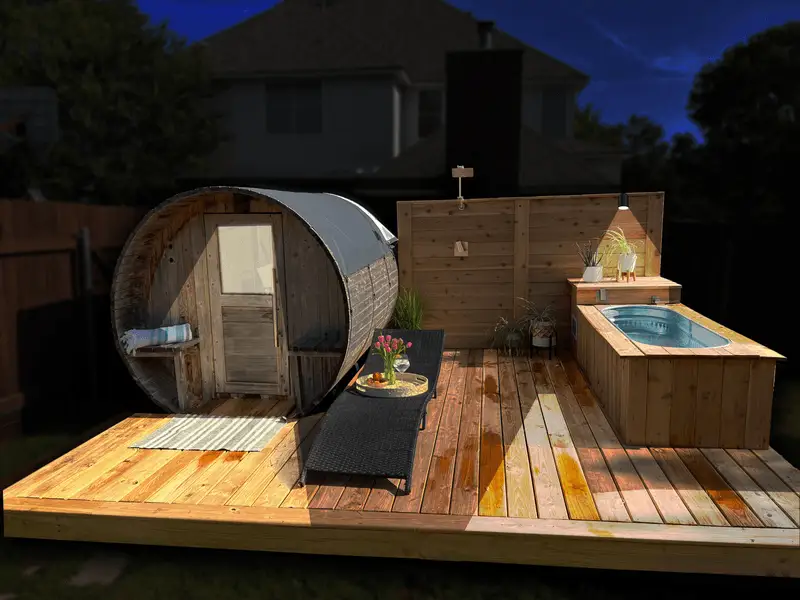
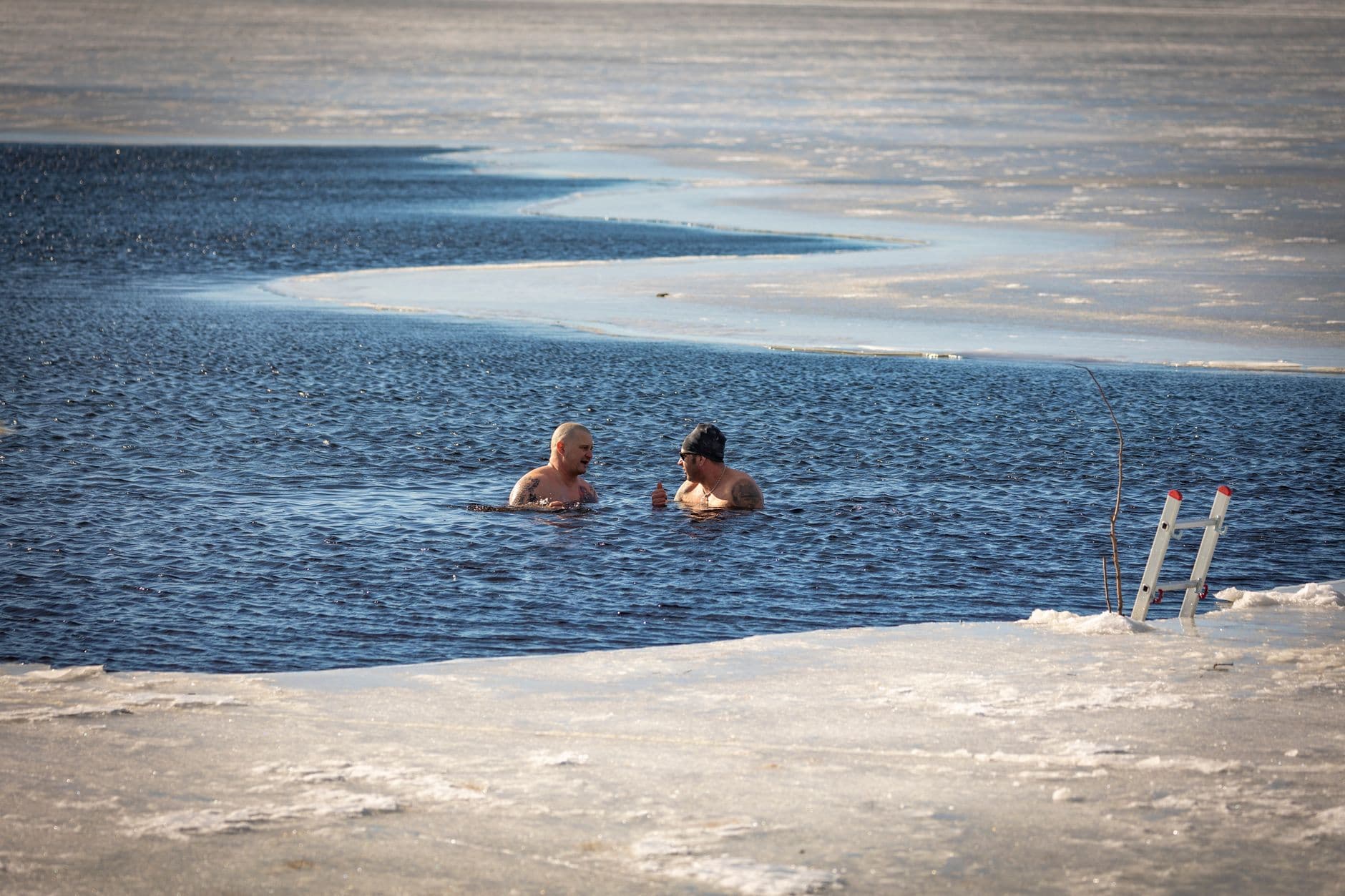
For a hot, swollen, stiff joint after a hard session, the cleanest cold-plunge target is 50-59°F for 10 to 15 minutes. SweatDecks puts that working window at the center of the protocol.
The protocol that actually matters
SweatDecks frames cold plunging as short-term inflammation management, not a cure for arthritis or a fix for joint damage. The useful target is the angry phase that follows hard training, overuse, or another short inflammatory event. It is a tool for a hot, reactive joint, not a replacement for rehab, load management, or medical treatment.
Within that range, SweatDecks treats 55°F as a sensible starting point. It gives you enough cold to matter without pushing the experience so far into cold shock that you spend the whole session fighting discomfort instead of getting the benefit.
When to reach for it
Use the tub when the problem is a flare-up, not a long-term structural issue. That means the sore, swollen joint after a hard lift, a heavy mileage block, or an overuse spike is a better candidate than a chronic problem that has been hanging around for months. The protocol is designed to calm symptoms during the hot, stiff window, not to pretend the tissue is being rebuilt in real time.
The point is not to “boost recovery” in the abstract. It is to make one specific problem, short-term joint inflammation, more manageable for long enough to train, move, or get through the day.
Why 50-59°F is the useful window
The temperature range is not arbitrary. At 50-59°F, cold water is cold enough to create meaningful tissue cooling, blood vessel constriction, and slower nerve conduction, all of which help explain why the joint feels less angry afterward. Go below 50°F and discomfort rises sharply without a clear, proportional gain. Go above 59°F and the physiological effect starts to fade.
That is why 55°F is a smart anchor for newcomers. It is cold enough to count and warm enough to keep the session usable. Once you drop into “bragging rights” territory, you are often just buying more pain for a benefit that is not obviously better.
What happens when you get out
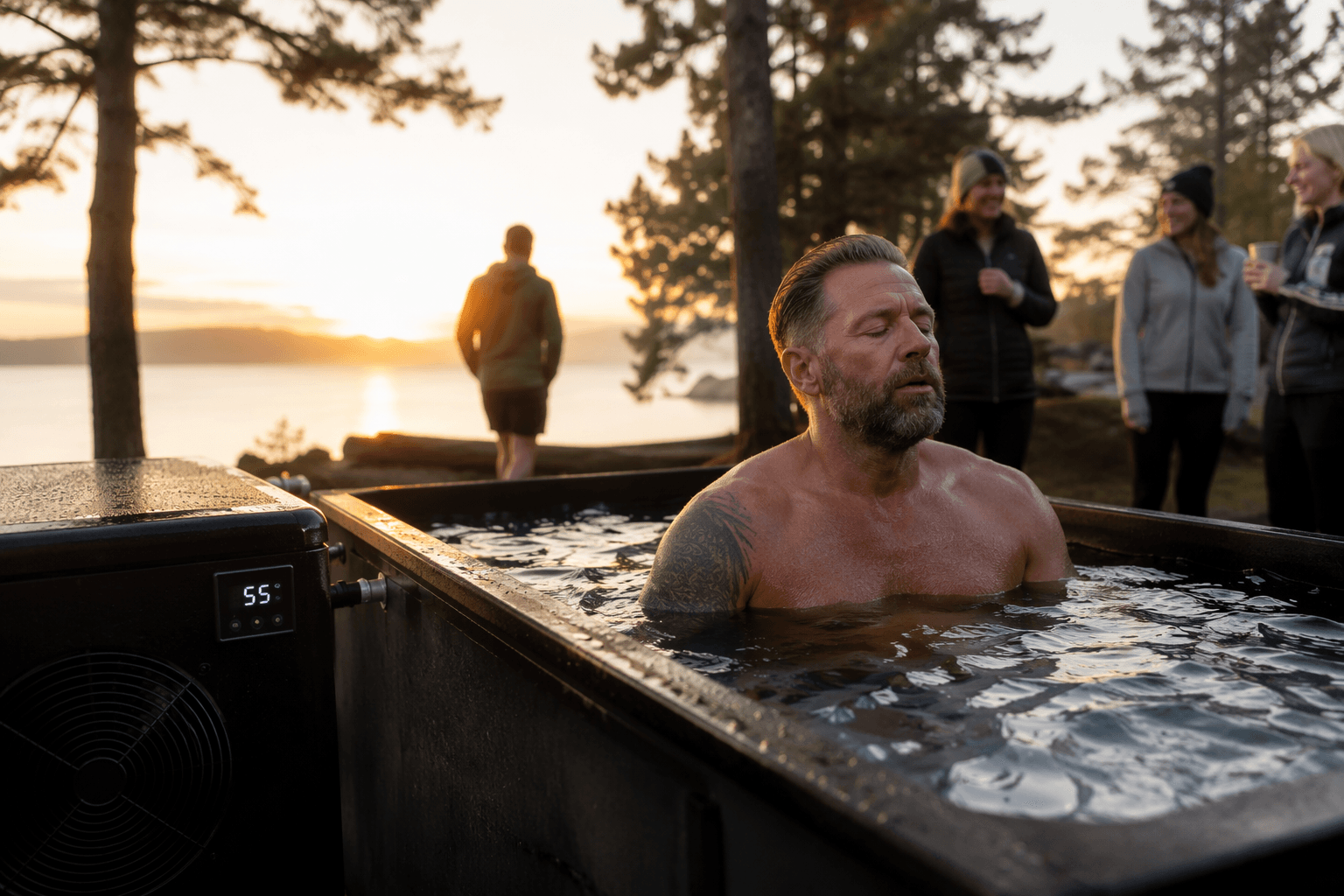
After you leave the tub, rebound vasodilation creates a rewarming flush. The idea is that fresh, oxygenated blood returns to the tissue and helps clear some of the metabolic byproducts that build up around a beaten-up joint. It is one reason a plunge can feel like a reset instead of just a shock.
Athletes already talk about cold therapy this way: compress the angry phase, then let the tissue rewarm and settle.
What the broader research says
The temperature-and-time window lines up with older sports-medicine work. A 2013 review found that immersion in 10-15°C water, or roughly 50-59°F, for 5 to 15 minutes appeared to be the most effective range for accelerating performance recovery. A later systematic review on muscle soreness said the best approach was still unclear, largely because studies varied so much in temperature and immersion time.
Recent literature keeps comparing dose, temperature, and duration instead of treating all ice baths as the same.
Biomarkers are promising, but not a free pass
SweatDecks says repeated sessions can produce measurable drops in inflammatory markers such as IL-6 and CRP, but the biomarker story is mixed.
A 2023 trial using a 3-minute cold-water immersion in recreational athletes found limited effects on inflammatory markers such as IL-6, IL-10, TNF-alpha, and TGF-beta1. Another paper on water immersion after sprinting and jumping found no meaningful change in muscle damage or inflammation biomarkers.
Where the tool can backfire
Cold plunging is not harmless just because it feels athletic. A 2020 review warned that regular cold-water immersion may hurt resistance-training adaptations, and a 2023 paper found that cold-water immersion after resistance exercise can suppress some molecular pathways tied to adaptation. That is the clearest reason not to use the tub on autopilot after every lifting session.
If your priority is strength or hypertrophy, the plunge can be the wrong tool at the wrong time. It may make you feel better in the short term while working against the training signal you were trying to build. For endurance-heavy blocks or flare-ups where symptom control matters more than adaptation, the trade-off looks different.
What mainstream guidance already supports
The SweatDecks protocol is more specific, but it is not inventing the basic idea. Cleveland Clinic uses ice to reduce inflammation and swelling in arthritis. Mass General Brigham ties it to blood-vessel constriction, reduced swelling, and slower nerve signals. NHS guidance uses ice for acute joint injuries and says it can also help with arthritis symptoms.
The 50-59°F framing turns that familiar idea into a usable dose: how cold, how long, and when it is worth getting in.
The practical read
If the joint is hot and swollen, start around 55°F and stay in for 10 to 15 minutes. If you are dealing with a flare after hard training or overuse, that is the lane where cold plunging makes the most sense. If the goal is long-term arthritis repair, or if you are relying on the tub after every resistance session, the evidence says to be much more cautious.
This article was produced by Prism’s automated news system from verified source data, official records, and press releases, then run through automated quality and moderation checks before publishing. The system is built and supervised by the people who set the standards it runs under. Read our full AI policy.
Did this article answer your question?