Terry Crews credits cold plunges in a disciplined recovery routine
Terry Crews' cold plunge sits inside a 5:30 a.m. recovery stack, not a miracle fix. The science supports soreness relief, but not every daily dip.

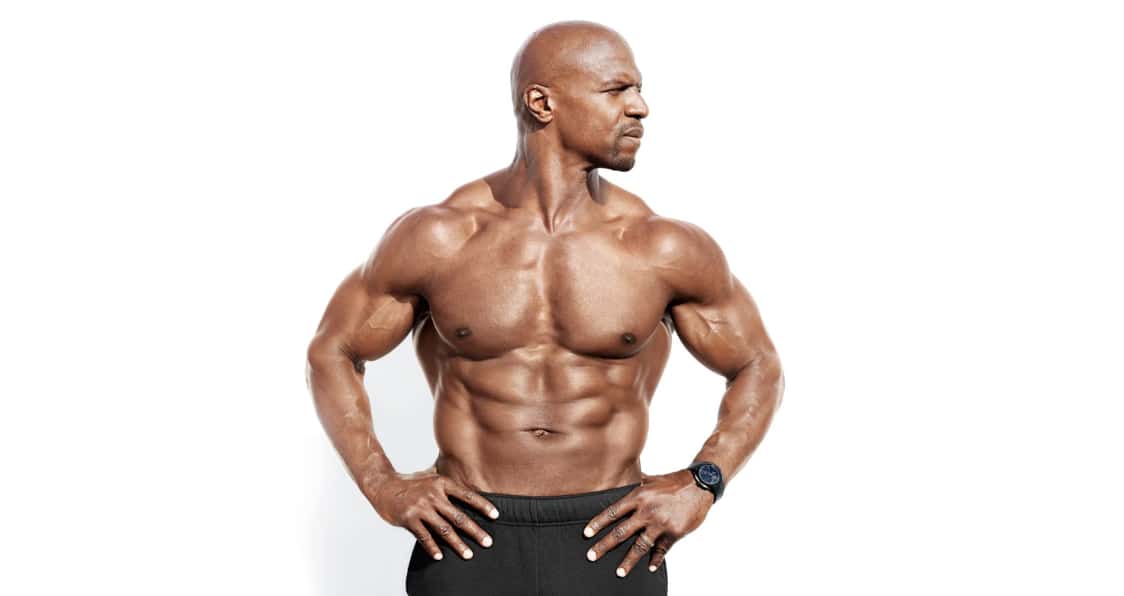
Terry Crews makes cold plunging look less like a stunt and more like one gear in a machine that starts before dawn and shuts down before 9 p.m. In the June 27 AOL write-up, the 57-year-old actor and host heads to the gym around 5:30 a.m., trains hard, and then folds a cold plunge into a day built around recovery, sleep, and repetition rather than quick wins.
A plunge inside a much bigger routine
Crews still gives one training day to chest, calling it his “pec day,” but the bigger story is how his priorities have changed since his NFL years. He now centers higher repetitions, cardio, and heart health, with a typical gym session lasting about two hours, split roughly between strength work and cardio, and warming up treated as non-negotiable. That shift is what makes the cold plunge feel mainstream now: it is no longer a lone biohacker flex, but one recovery tool inside a full schedule of training, fasting, and rest.
Crews also runs his nutrition and sleep like part of the same system. He has followed intermittent fasting for nearly 15 years, waits until 2 p.m. for his first meal, prepares protein shakes in advance, cleans the kitchen before leaving home because it sets the tone, and tries to be in bed by 8:30 p.m., even if that means leaving social events early. The cold plunge comes after all of that, followed by time in the sun with an audiobook, which is a useful reminder that the ice bath itself is only one small slice of the recovery stack.
What a usable home setup looks like
The practical version of cold plunging is much less cinematic than a celebrity post. Mayo Clinic Health System says you can do it in a bathtub with cold water and ice cubes, in a lake or ocean, at a cold-plunge center, or with a tank you buy or build yourself, and a fully outfitted tank can cost up to $20,000. The same guidance says to keep the water at 50 F or colder, measure the temperature before jumping in, and start small, often 30 seconds to a minute before building toward five to 10 minutes.
That detail matters because cost and convenience are where celebrity routines can mislead people most. Crews’s version does not require a luxury setup, but the infrastructure around the habit still matters: if you are using open water, Mayo Clinic Health System warns against icy spots with currents, and it flags frostbite and hypothermia as real risks outdoors. The least glamorous advice is often the most useful one, especially when the internet makes every plunge look like a polished wellness set piece.
What the research actually supports
The science is strongest on soreness, not on magical reinvention. Mayo Clinic Health System says research has found that cold-water immersion can reduce exercise-induced muscle damage, which lowers inflammation, eases soreness, and helps physical performance the next day. A 2023 systematic review and meta-analysis looked at 44 randomized controlled trials with 880 participants and defined cold-water immersion in the included studies as water colder than 59 F, or 15 C.
That said, the same Mayo guidance is clear about the tradeoff: if you are doing cold plunges after training every day, you may compromise long-term performance improvements. For lifters especially, that is the line to remember. Cold immersion can be a useful recovery tool after hard sessions, but it is not automatically the best move every time you leave the gym, and it is not the same thing as building strength, muscle, or endurance in the first place.
Why Crews’s version lands differently
The emotional center of Crews’s routine is not the cold. It is the reason he keeps the schedule so tightly organized: Rebecca King-Crews revealed on TODAY in April 2026 that she has had Parkinson’s disease since 2015 and had recently undergone a newly approved procedure to help manage her symptoms, and Crews said that caregiving responsibility has sharpened his focus on staying healthy for the long haul. That context gives his plunge a different meaning from the usual fitness clip, because the habit sits inside a real-life health plan, not a vanity project.
What Crews offers hobbyists is not a celebrity blueprint to copy point for point. It is a model for how a cold plunge actually works best in 2026: as one part of a disciplined system that includes training, sleep, nutrition, and consistency, with the plunge serving the routine instead of replacing it. If you want the version that travels well beyond Hollywood, it starts with the same logic Crews lives by, a 5:30 a.m. wake-up, a real training block, a sensible cooldown, and a bedtime that makes the next plunge possible.
This article was produced by Prism’s automated news system from verified source data, official records, and press releases, then run through automated quality and moderation checks before publishing. The system is built and supervised by the people who set the standards it runs under. Read our full AI policy.
Did this article answer your question?