Why sauna and cold plunge recovery is going mainstream
Sauna and cold plunge routines are moving from athlete culture into everyday wellness, but the body does not turn them into magic. The safest gains come from restraint, not extremity.
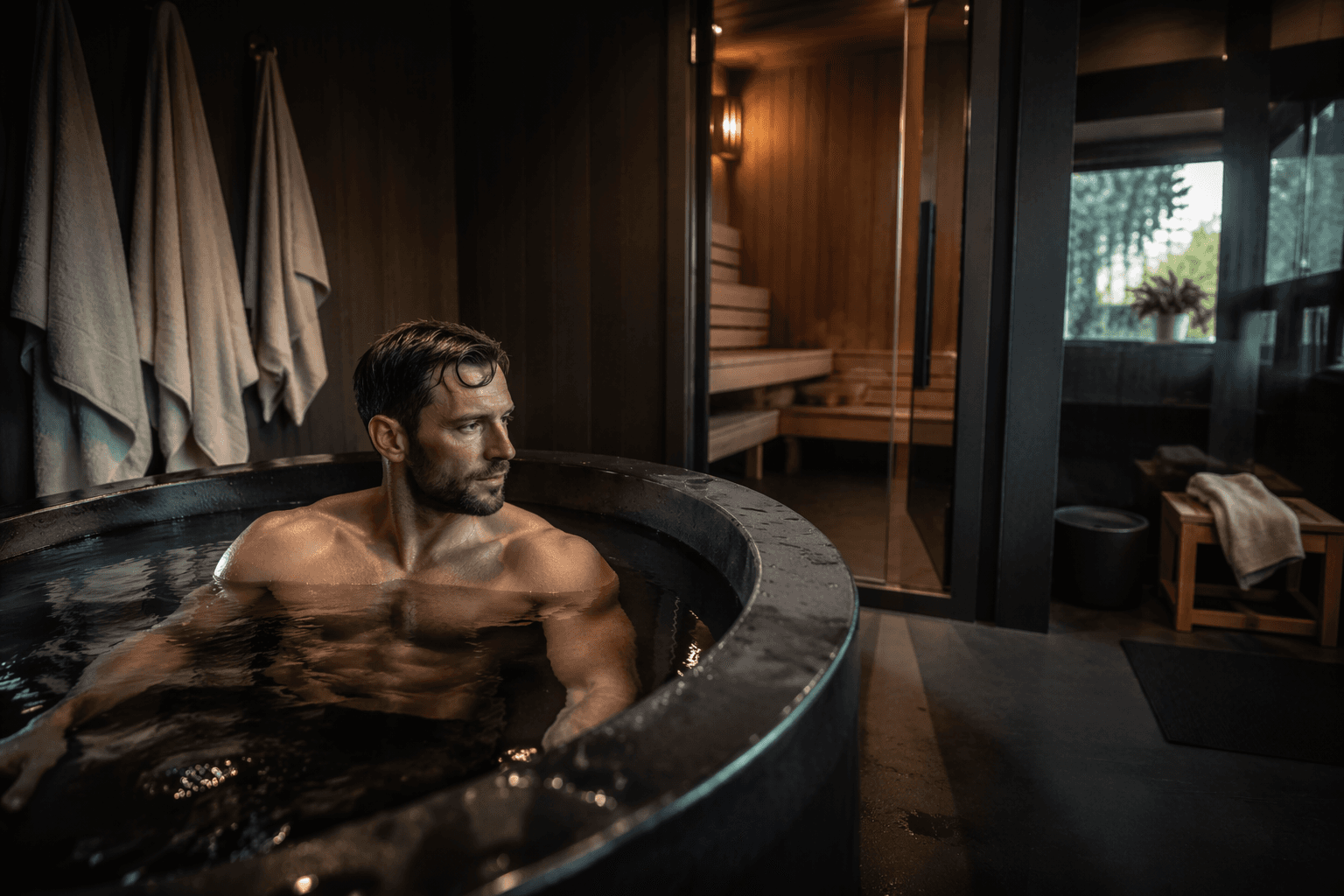
Sauna benches and cold plunges now sit at the center of a recovery boom that used to belong to athletes, not suburban wellness schedules. In Coral Gables, Hydrology Wellness medical director Dr. Alex Zurrarian framed the appeal plainly: people want something that feels immediate, makes them feel better day to day, and fits the language of recovery that has spread far beyond sports. The catch is that the marketing around these therapies often outruns the medical caution they still require.
From niche recovery to mainstream ritual
What used to read like a locker-room habit is now a boutique wellness category. Cold-water immersion has surged as a health and wellbeing trend, and a 2025 systematic review and meta-analysis found that the evidence remains limited and mixed even as interest keeps climbing. That tension explains the current mood around ice baths and sauna circuits: people are drawn to the feeling, but the science still stops short of a blanket endorsement.
Zurrarian’s pitch is that the combination can feel transformative when it is used appropriately. In the Local 10 segment, he described the contrast between heat and cold as almost antidepressant in effect, a claim that captures why so many recovery spaces now sell the circuit rather than the single modality. The promise is not just relaxation, but a day-to-day reset built on temperature extremes.
What the body is actually doing
The physiology behind the trend is simple enough to feel persuasive. Heat causes vasodilation, pushing more blood toward the skin as the body tries to cool itself, while cold immersion has become a recovery staple, especially among athletes looking for a hard reset after training. A sauna can raise skin temperature quickly, drive up pulse rate, and produce a heavy sweat, while a cold plunge can jolt the system with a gasp response and a sharp rise in blood pressure.
That dramatic response is part of why the practice feels so effective in the moment. Harvard Health notes that a short sauna session can make the average person lose about a pint of sweat and send pulse rate up by 30% or more, while skin temperature can climb to about 104°F within minutes. In other words, these are not gentle spa rituals dressed up as science. They are real stressors, which is exactly why they should be used with care.
Sweat is not detox
One of the most useful corrections in the current wellness conversation is also one of the simplest: sweating does not detoxify the body. Zurrarian emphasized that detoxification is handled by the liver and kidneys, not by sweat leaving the skin, which undercuts a whole family of marketing claims built around heat as purification. That distinction matters because it shifts the question from “how much can you sweat?” to “what is this doing to your body, and can your body tolerate it?”
The same caution applies to the idea that more heat automatically means more benefit. Very hot sauna sessions can stop being useful when the temperature gets too high for too long, and the value may come from controlled, repeatable use rather than from pushing intensity as a virtue. That is where some boutique recovery spaces overshoot the mark, turning sensible recovery into a contest of endurance.
The evidence for cold plunges is still thin
Cold plunges have picked up enormous cultural momentum, but the best available medical guidance remains guarded. Harvard Health says the hoped-for benefits, including less stress and better sleep, are still not well proven, and the evidence remains thin. The same guidance is especially clear about risk: people with cardiovascular disease, particularly heart rhythm abnormalities, should avoid cold plunges or seek medical advice first.
The Centers for Disease Control and Prevention adds another layer of caution. Immersion hypothermia from cold water can develop much more quickly than standard hypothermia, and it can happen in water temperatures below 70°F. That makes the plunge tank or lake edge a place where the body can go from invigorated to compromised faster than many wellness posts acknowledge.
Who should be careful
The biggest red flags are not subtle. Older adults, people with heart disease, people with blood pressure problems, and anyone who is dehydrated need to treat both heat and cold with extra caution. Cold exposure can spike blood pressure and stress the cardiovascular system, while heat can become dangerous when the body cannot cool itself adequately.
The CDC and Mayo Clinic both stress dehydration and heat illness as real risks in sauna use, especially when sessions go long or the user is already under strain. Traditional Finnish sauna bathing is often described in reviews as 5 to 20 minute sessions at about 80°C to 100°C, or 176°F to 212°F, with low humidity. That range gives you a sense of how intense the practice already is before anyone tries to make it hotter, longer, or more punishing.
Why sauna has a stronger case than ice, for now
If cold plunges are the newer star, sauna has the deeper bench. A Mayo Clinic Proceedings review says sauna bathing has long been a Finnish tradition and is increasingly popular elsewhere, which helps explain why the heat side of the circuit has a more established research trail. Harvard Health points to a Finnish cohort study from the University of Eastern Finland that tracked 2,300 middle-aged men for about 20 years and found lower mortality among more frequent sauna users.
The numbers from that study are hard to ignore: 49% of men who used saunas once a week died during follow-up, compared with 38% of those who used them two to three times a week and 31% of those who used them four to seven times a week. The average visit in that cohort lasted about 14 minutes in roughly 175°F heat. That does not prove sauna is a cure-all, but it does show why heat therapy has earned more serious attention than many other wellness fads.
A sensible recovery routine is not a spectacle
The useful takeaway for anyone building a recovery habit is that the body responds dramatically even when the long-term payoff is still uncertain. Sauna and cold plunge sessions both create real physiological stress, but the safer version is the one that respects that stress instead of chasing ever greater extremes. Controlled temperature, shorter sessions, hydration, and personal risk awareness matter more than branding, louder marketing, or the promise of a universal fix.
That is the part of the mainstreaming story that gets lost most easily. Sauna and cold plunge recovery are no longer tucked away in the margins of athlete culture, but their popularity has not changed the basics: these tools can help some people, they can hurt others, and they work best when they are treated as deliberate practices rather than miracle machines.
This article was produced by Prism’s automated news system from verified source data, official records, and press releases, then run through automated quality and moderation checks before publishing. The system is built and supervised by the people who set the standards it runs under. Read our full AI policy.
Did this article answer your question?