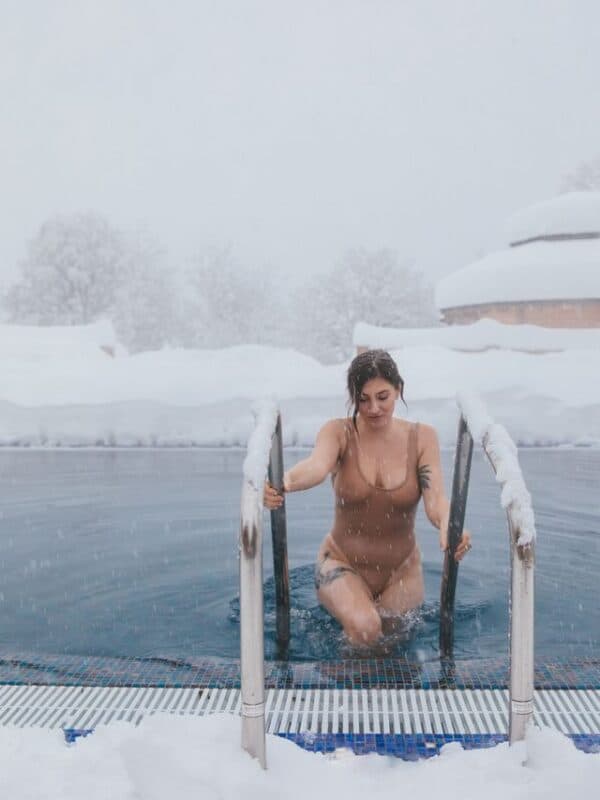
Wim Hof workshop in New Hampshire packages ice baths with breathwork
The cold plunge is optional, but the instruction is the product: this New Hampshire workshop turns Wim Hof curiosity into paid, guided practice.
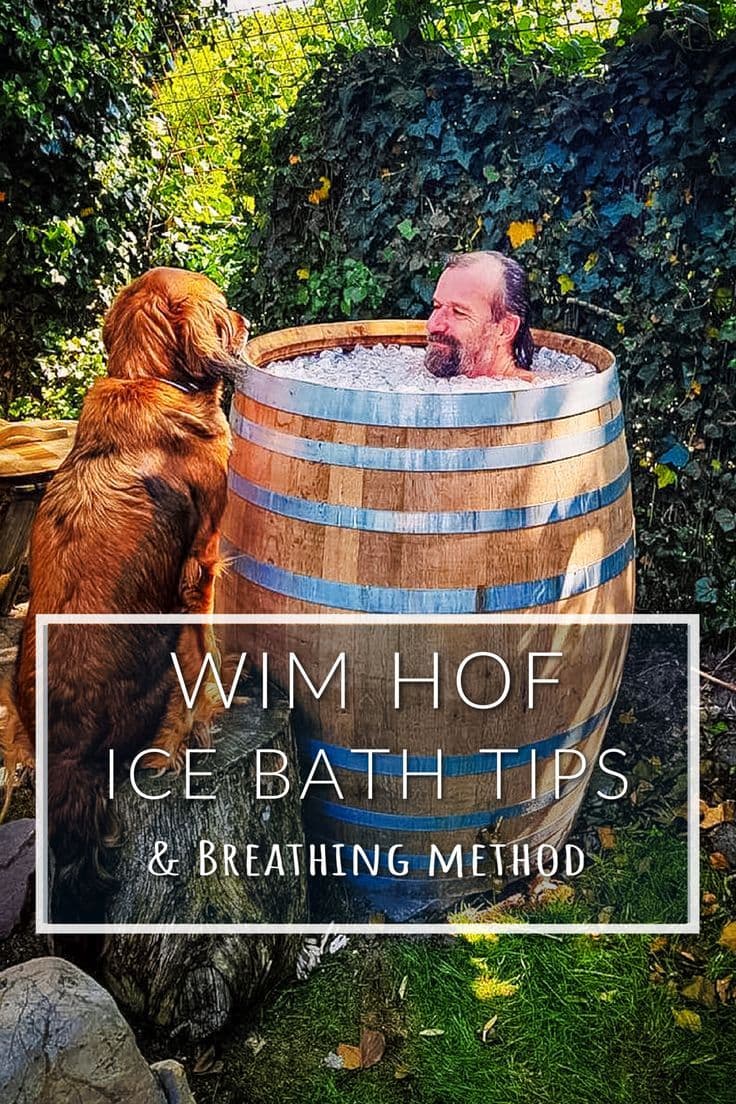
The cold plunge at Alnoba is optional, but the instruction is the point. That is what makes the Wim Hof Method Workshop in Kensington, New Hampshire feel like a sign of where ice baths are headed: less internet dare, more coached ritual. The session is set for Thursday, May 14, 2026, from 5 p.m. to 7 p.m., with doors opening at 4 p.m. so guests can explore the grounds and art, and Eventbrite frames it as a three-hour in-person experience with free parking and no refunds.
A workshop format says the hobby has changed. Cold exposure is no longer being sold only as a brutal test of willpower or a gadget-powered wellness flex. Here, it is bundled with breathwork, mindset hacks, and a deliberately structured setting, which makes the event feel closer to a retreat than a pop-up plunge. The listing promises a hands-on workshop covering cold therapy, breathing techniques, and mindset, and the optional plunge is presented as part of a larger nervous system reset rather than the whole point of the day.
That shift matters because it explains why people are willing to pay for guidance. A lot of first-timers do not just want to be told to get into cold water. They want someone to walk them through the gasp reflex, the breathing, the discomfort, and the mental framing that makes the experience feel survivable, even useful. In that sense, the workshop is selling confidence as much as temperature.
Lauren Teller is the kind of instructor this niche now wants. The Wim Hof Method lists her as an official instructor, and her own materials describe her as a Level 2 Wim Hof Instructor and Positive Psychology Coach. Her site also says she offers Wim Hof workshops and one-on-one sessions, which suggests this is not a one-off appearance but part of an ongoing practice built around teaching people how to work with cold and stress.
That credential stack matters in a culture that is getting more serious about safety. The method’s own materials describe the practice as combining breathwork, cold exposure, and mindset, and in 2024 the organization emphasized that people should practice it the right way and understand the risks. Once cold plunging moves from a meme to a paid class, the instructor is no longer just a vibe-checker. The instructor becomes the person responsible for pacing the exposure, explaining what is happening in the body, and making sure the whole thing does not turn into a bad idea performed in public.
The safety conversation is no longer background noise. Medical guidance around cold-water immersion warns that people with cardiovascular disease, neurological irregularities, cold allergy, or certain other conditions may need to avoid plunging or proceed cautiously. Cleveland Clinic’s May 8, 2026 coverage reflects the same tension: cold plunges may help with soreness relief, but they also carry real risks. That combination is exactly why a workshop can be more appealing than a solo ice bath at home. It gives the practice structure, and it gives beginners a way to ask whether they belong in the water at all.
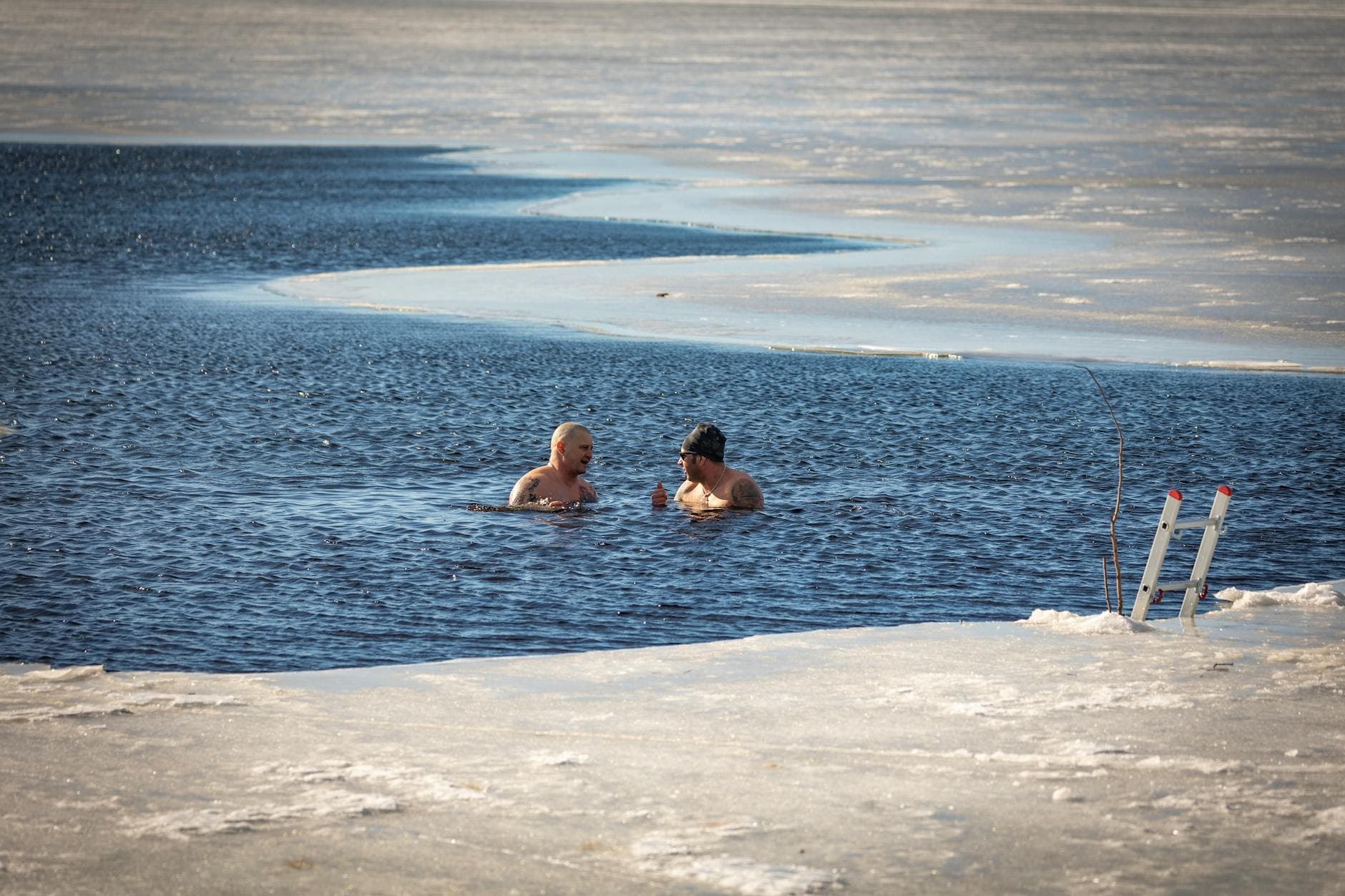
The Alnoba event leans into that structure by making the plunge optional and by presenting the session as an experience rather than a dare. That framing is important because it lowers the threshold for participation. If the promise is not “endure this ice bath,” but “learn the method, understand the breathing, and choose how far to go,” then the audience broadens to include the wellness-curious, not just the hard-core plungers.
The Wim Hof name still works as a gateway. The organization itself says that by 2024, Wim Hof had become a household name, with ice and breathing enthusiasts numbering in the millions and scientific interest growing. That is exactly the kind of name recognition that gets passive wellness readers to click. Even people who never plan to take a full plunge know the Wim Hof brand as shorthand for breathwork, cold exposure, and a promise of self-regulation under stress.
That brand power helps explain why workshops like this can turn into shareable wellness content. The name is familiar enough to feel accessible, but specific enough to signal a real method with a recognizable sequence: controlled breathing, cold exposure, and mindset. For readers skimming a crowded wellness calendar, that is a cleaner hook than a generic ice bath class, because it carries both pop-culture familiarity and a practiced system.
What Alnoba is really selling is a container. The grounds, the art, the scheduled arrival at 4 p.m., and the no-refunds policy all point to a curated event rather than a drop-in wellness demo. That matters in a scene where the discomfort is the feature, but the experience has to feel safe, intentional, and worth the ticket price. People are not just paying to get cold. They are paying to be guided through it, in a room with a name they recognize and a framework that promises the body and mind can learn something from the shock.
That is the maturation story hidden inside the plunge. Cold exposure is still about the jolt, but the real market now is instruction, language, and trust. At Alnoba, the optional ice bath is only the finish line. The thing people are actually buying is the lesson that gets them there.
This article was produced by Prism’s automated news system from verified source data, official records, and press releases, then run through automated quality and moderation checks before publishing. The system is built and supervised by the people who set the standards it runs under. Read our full AI policy.
Did this article answer your question?