AFDO page centralizes state kombucha rules for brewers
AFDO’s kombucha page gives brewers one place to compare state rules, then layer federal TTB limits on top before they sell.
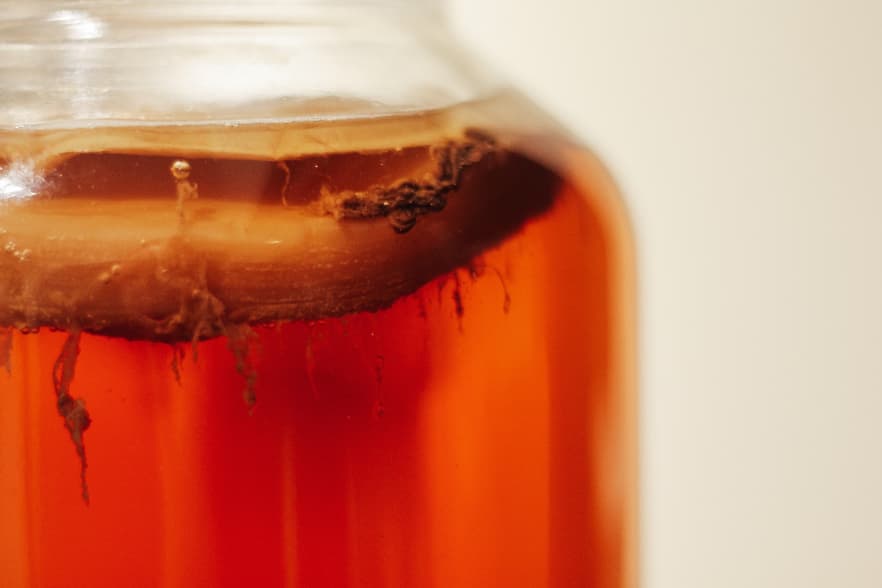
The Association of Food and Drug Officials maintains a kombucha resources and regulatory guidance page that pulls together state-specific rules on brewing practices, retail sales, processing standards, and common questions. If you are moving kombucha from a kitchen batch to a farmers market table or a local shop shelf, start there.
Start with the AFDO page
AFDO’s kombucha page works best as a starting point, not a finish line. Rules can shift from one jurisdiction to another and are not always easy to reconstruct piecemeal. The page is especially useful when you are trying to understand where fermentation ends and formal product handling begins.
AFDO is a regulatory organization that connects food and medical-products safety stakeholders and promotes science-based rules and best practices, and its resources library includes separate guidance on food code, food processing, retail food, permits and licenses, and alcohol laws.
Use the state guidance to compare the whole path to sale
The most useful habit is to treat the AFDO page like a comparison tool. One state may focus more heavily on brewing practices, another on retail sales, and another on processing standards before a beverage reaches consumers. The page also collects frequently asked questions, which can help you spot where a state draws the line on home production, packaged product, or retail handling.
That comparison matters even if you never plan to scale beyond a small local run. The difference between a casual crock on the counter and a legally sold bottle is not just volume, it is oversight: how the batch is made, how it is labeled, how it is stored, and how it is moved into commerce.
Bring federal alcohol rules into the same conversation
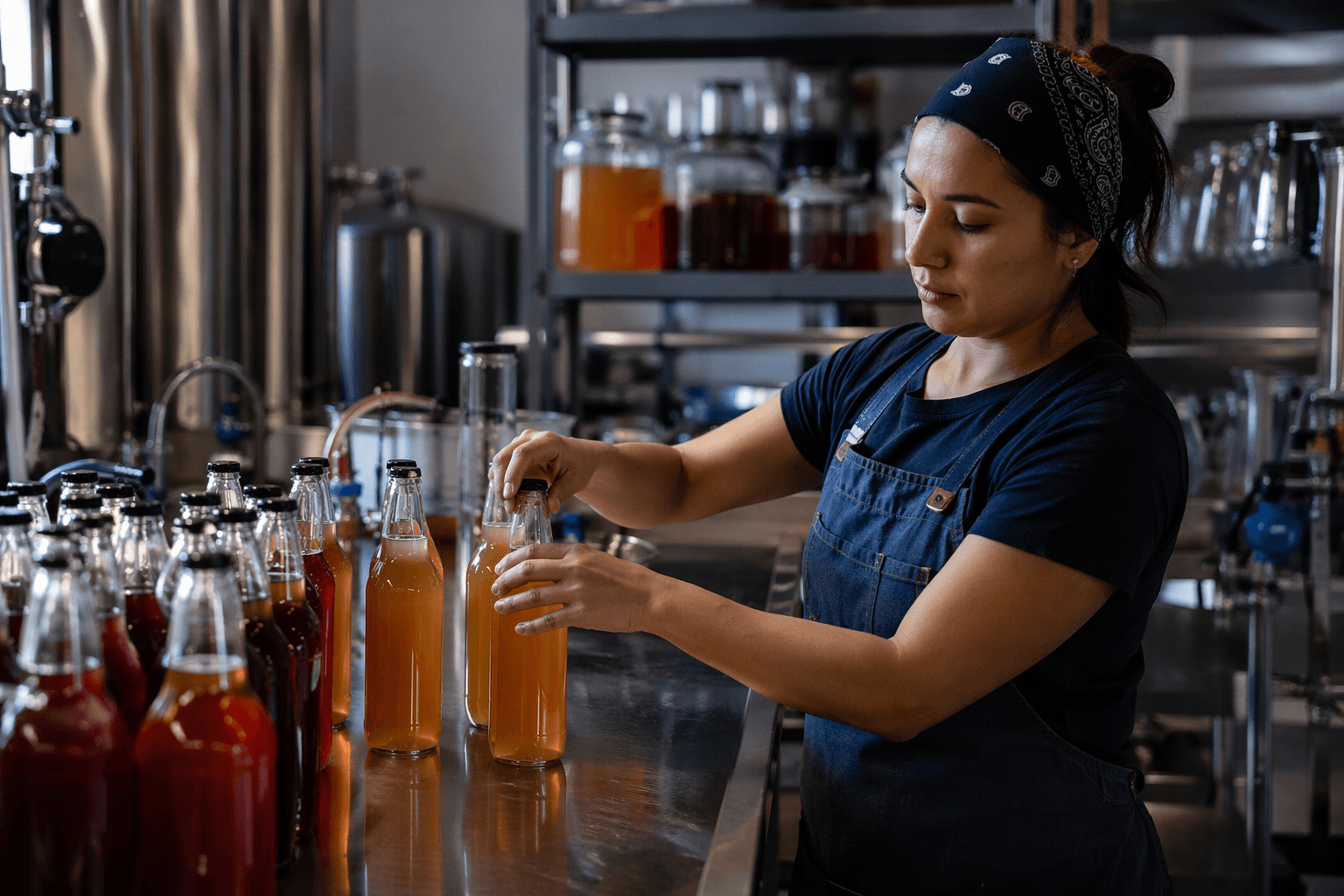
Kombucha containing 0.5% alcohol by volume or more is regulated as an alcohol beverage under federal law. Once a product crosses that threshold, it can trigger tax, labeling, and distribution requirements, so the bottle in your fridge is not judged only by what it tasted like at bottling.
Kombucha can pass 0.5% ABV after bottling because fermentation may continue in the package. Test alcohol content to make sure the beverage does not reach or exceed 0.5% ABV during production, bottling, or after bottling.
Treat labeling and process oversight as part of the recipe
Once your kombucha is in the regulatory zone, labeling is no longer an afterthought. Internal Revenue Code labeling requirements apply to kombucha products at or above 0.5% ABV, and some kombucha products may be classified as beer under the code depending on formulation and production method. That means what goes into the fermenter, and how you handle the batch, can shape how the finished beverage is treated.
For a brewer trying to sell legally, process oversight becomes part of product design. You are not only choosing tea, sugar, and culture, you are also deciding how to monitor fermentation, when to test, and how to keep the finished drink inside the legal lane. Failure to comply with federal production, bottling, labeling, and distribution rules can lead to tax assessments, penalties, interest, and even civil or criminal penalties.
Know why the 0.5% debate keeps coming back
Kombucha has its own policy history, and the threshold debate is one reason the subject keeps resurfacing. In a June 2026 Senate press release, Ron Wyden, Andrea Salinas, and Adrian Smith wrote that a person would need to drink five to ten bottles of kombucha to equal the alcohol in one beer, while also noting that natural fermentation can push kombucha slightly above 0.5% during transport and trigger alcohol taxes.
That political pressure is not new. The KOMBUCHA Act introduced in 2020 would have raised the federal threshold from 0.5% ABV to 1.25% ABV, reflecting a recurring argument that kombucha does not fit neatly into conventional alcohol categories.
A practical way to use the page before you sell
Before you bring a batch to market or pitch a shop, work through the rules in the same order a regulator would notice them:
1. Check the AFDO page for your state’s kombucha guidance, including brewing practices, retail sales, processing standards, and FAQs.
2. Compare that state guidance with the federal TTB threshold of 0.5% ABV.
3. Make sure your process includes alcohol testing during production, bottling, and after bottling.
4. Review whether your formulation or production method could affect classification.
5. Confirm that your labeling matches the legal status of the finished beverage.
This article was produced by Prism’s automated news system from verified source data, official records, and press releases, then run through automated quality and moderation checks before publishing. The system is built and supervised by the people who set the standards it runs under. Read our full AI policy.
Did this article answer your question?