Bellingrath Gardens workshop teaches budget-friendly home kombucha brewing
Bellingrath’s kombucha class turns a $25 outing into a beginner roadmap for low-waste brewing, with a simple first-batch checklist for home kitchens.
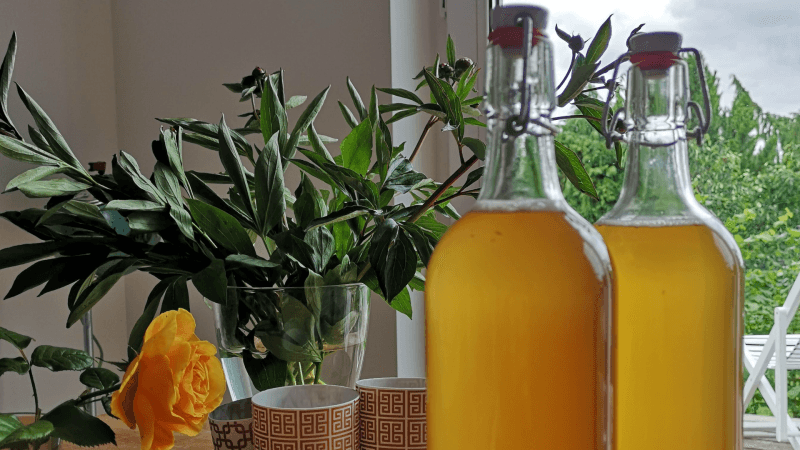
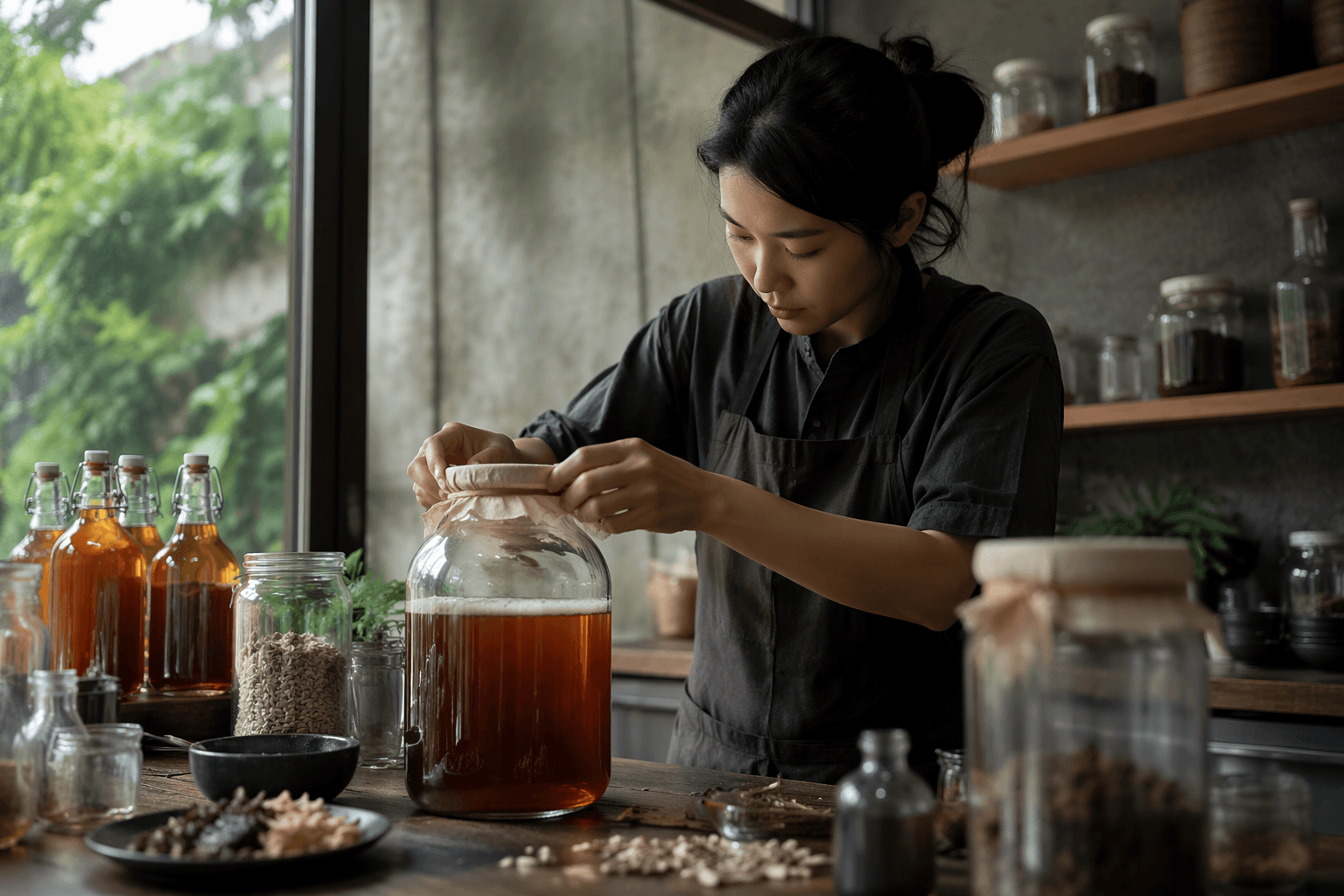
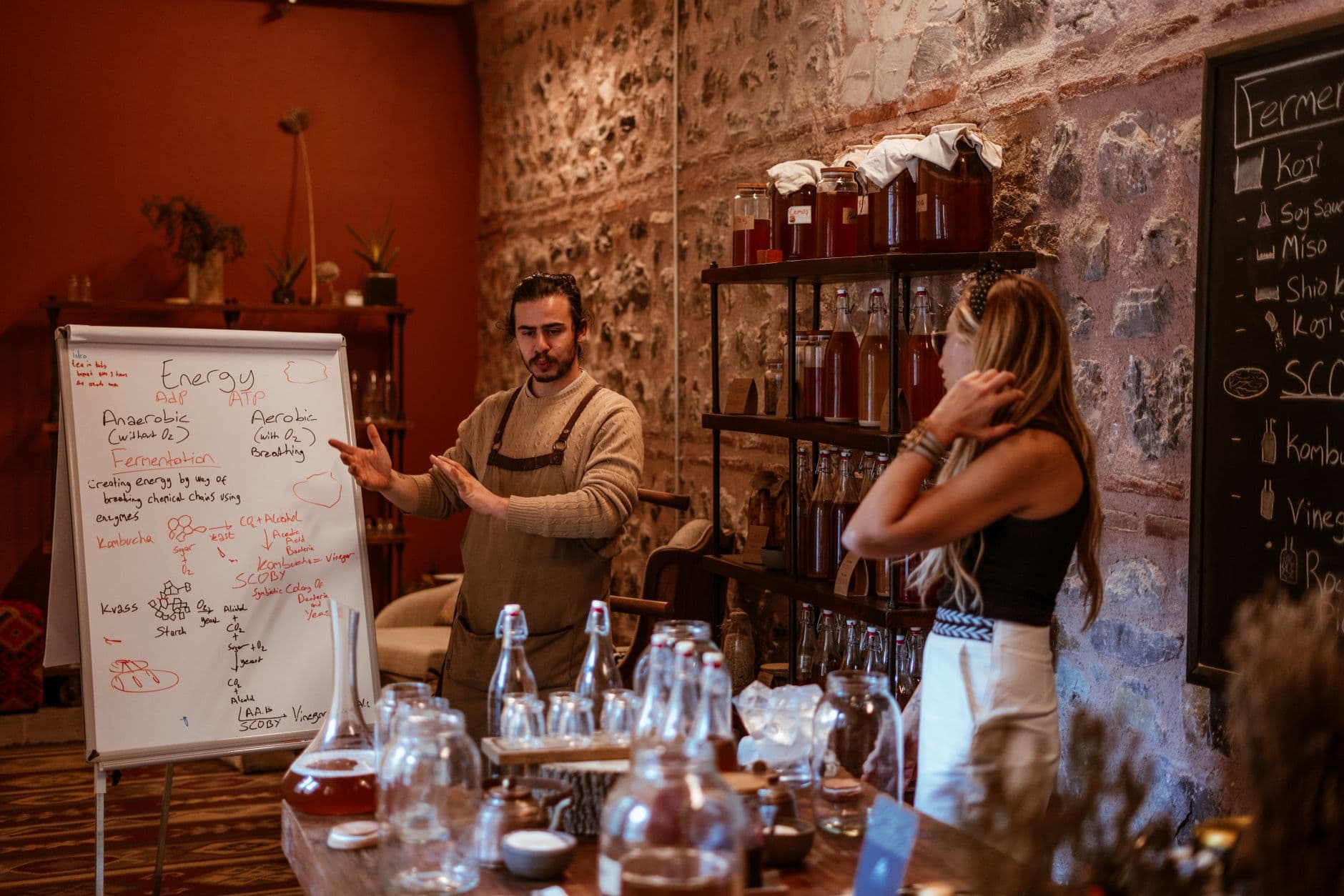
A $25 kombucha class at Bellingrath Gardens turns home brewing into a low-cost starting point, not a specialist project. The workshop runs Wednesday, June 10, 2026, from 10:30 a.m. to noon in the Magnolia Room in Theodore, Alabama, with garden admission included, and Jack Upton leads the session.
What the workshop is really teaching
Bellingrath frames the class as simple, budget-friendly, and “one of the easiest low-waste swaps you can make.” That matters because the biggest barrier for many beginners is not enthusiasm, but uncertainty about whether kombucha requires expensive tools or a complicated setup. Here, the message is the opposite: brew it at home, keep it practical, and avoid turning a household drink into a specialty purchase.
The garden says kombucha can be made with a few basic ingredients and a little patience, and that it can deliver a steady supply of fizzy, gut-friendly drink at a fraction of the cost. That is the real appeal for home fermenters. Once the process becomes routine, the drink shifts from an occasional store-bought treat to a repeatable kitchen habit that gives you more control over sweetness, flavor, and waste.
A first-batch kombucha checklist
If you want the simplest roadmap, start with the essentials:
1. Learn the base formula.
Kombucha generally begins with steeped tea and sugar, which form the foundation for fermentation.
2. Add the living culture.
The drink depends on a culture of yeast strains and bacteria, so it is not just sweet tea with bubbles added at the end.
3. Give the brew time.
Bellingrath’s own language makes the patience point clear, and patience is part of what makes the final drink affordable.
4. Keep cleanliness front and center.
Home brewing can involve biological, chemical, physical, and allergenic hazards, so clean tools and careful handling are part of the process, not optional extras.
5. Aim for repeatability.
The workshop is built around teaching people how to brew their own at home, which means the goal is a batch you can recreate, not a one-off experiment.
That is where beginner kombucha often gets demystified. The class is not promising a fancy tasting menu or advanced flavor theory. It is showing how a basic fermentation project becomes manageable once you understand the ingredients, the timing, and the need for careful technique.
Why the garden setting fits
Bellingrath Gardens and Home gives the class a setting that makes sense for fermentation. It is a 65-acre public garden and historic estate in Theodore, Alabama, created by Walter and Bessie Bellingrath and first opened to the public on April 7, 1932. Today, it operates as a nonprofit under the Bellingrath Gardens and Home Foundation, which helps explain why a kombucha workshop fits naturally into its public-education mission.
That context matters for home brewers because kombucha sits at the intersection of kitchen craft, microbial culture, and plant ingredients. A botanical venue reinforces the idea that fermentation belongs in ordinary life, not just in specialty shops or niche food labs. Bellingrath already uses its events calendar for adult education, wellness, and seasonal programming, so the kombucha session fits a broader pattern of practical, community-facing learning.
Safety, alcohol, and the real limits of DIY brewing
Kombucha may feel approachable, but it is still fermentation. The U.S. Alcohol and Tobacco Tax and Trade Bureau says kombucha generally refers to a fermented beverage made from steeped tea and sugar, combined with yeast and bacteria, and some products may contain 0.5% alcohol by volume or more. For beginners, that is an important reminder that the drink is not just flavored tea, and the fermentation process can change what ends up in the bottle.
The safety side is just as important. Public-health guidance notes that home kombucha preparation can involve biological, chemical, physical, and allergenic hazards, which is exactly why a class like this has value beyond flavor and cost. The workshop helps beginners see where contamination can creep in, why sanitation matters, and why a low-cost project still deserves respect.
That is what makes the Magnolia Room session more than a single date on the calendar. It lowers the entry barrier without pretending fermentation is magic, and it gives home brewers a clear first step into a drink that can be simple, budget-friendly, and far less wasteful than many people assume.
This article was produced by Prism’s automated news system from verified source data, official records, and press releases, then run through automated quality and moderation checks before publishing. The system is built and supervised by the people who set the standards it runs under. Read our full AI policy.
Did this article answer your question?