Bengaluru cab dispute shows how kombucha can be mistaken for beer
A Bengaluru cab ride turned tense after a woman said her kombucha was mistaken for beer, and police later booked a case under Section 74.

A Bengaluru cab ride turned into a dispute over a bottle of kombucha when a woman said the driver believed she was carrying beer, argued with her about it and restrained her as she tried to get out of the moving vehicle. Police later booked a case under Section 74, putting an ordinary-looking fermented tea in the middle of a public-safety complaint.
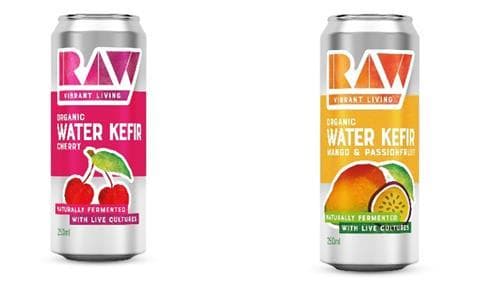
The episode lands hard for kombucha brewers because the drink can look far more like beer than like tea. Kombucha is made by fermenting tea and sugar with yeast and bacteria, and Kombucha Brewers International describes the culture as a symbiosis of bacteria and yeast, or SCOBY, that turns the brew into an effervescent tonic. That fermentation gives kombucha the fizz, cloudiness and bottle format that can trip up people who do not know the category.

The confusion is not just social, it is regulatory. The U.S. Alcohol and Tobacco Tax and Trade Bureau says kombucha is not a single recognized alcohol category, and classification depends on formulation and production method. Under TTB guidance, if kombucha reaches 0.5% alcohol by volume or more, it is treated as an alcohol beverage, and containers at or above that level must carry the Alcoholic Beverage Labeling Act health warning statement. For brewers and drinkers, that means the same jar or bottle can be read as a soft drink in one setting and an alcoholic beverage in another.
That tension also explains why clear labeling matters when homemade bottles leave the house. A plain “kombucha” label, a visible note that says non-alcoholic if that is the case, and sturdy packaging that does not look like a craft beer bottle can lower the odds of a misunderstanding in a taxi, office lobby or restaurant. If a drink is hard kombucha or has finished at a higher ABV, the label should make that explicit, because the difference between tea and alcohol is not obvious from carbonation alone.
The larger backdrop is that kombucha has deep roots and a shifting public identity. Kombucha Brewers International says it has been brewed in homes for centuries, if not millennia, while the Smithsonian Center for Folklife and Cultural Heritage traces its origins to China and its spread across Asia and Europe before modern commercialization. In India, the Food Safety and Standards Authority of India has published Alcoholic Beverages Regulations, 2018, underscoring that fermented drinks can fall under different rules depending on what is in the bottle. A Bengaluru cab dispute made that gap visible in one jarring moment, and it is the kind of moment every kombucha bottle has to survive once it leaves the counter.
This article was produced by Prism’s automated news system from verified source data, official records, and press releases, then run through automated quality and moderation checks before publishing. The system is built and supervised by the people who set the standards it runs under. Read our full AI policy.
Did this article answer your question?