BevAtlas aims to map kombucha supply chains for smaller brands
BevAtlas is trying to solve kombucha’s hardest scaling problem: finding suppliers, packers, and partners without relying on who you know.
BevAtlas arrives at a very familiar pain point in kombucha: once a brand outgrows the easiest local fixes, the hardest part is not always fermentation. It is finding the right people, in the right place, at the right time, without spending days chasing old directories, trade-show lists, and half-finished contact threads.
Why mapping the category matters
Booch News frames the beverage business as a fragmented market where supply-chain information is still scattered and hard to compare. The outlet says it has been pushing against that problem since 2018 through a Worldwide Directory, company profiles, and industry reports, but the basic headache remains the same: brands still have to piece together who makes what, who ships where, and who actually has room to take on another account.
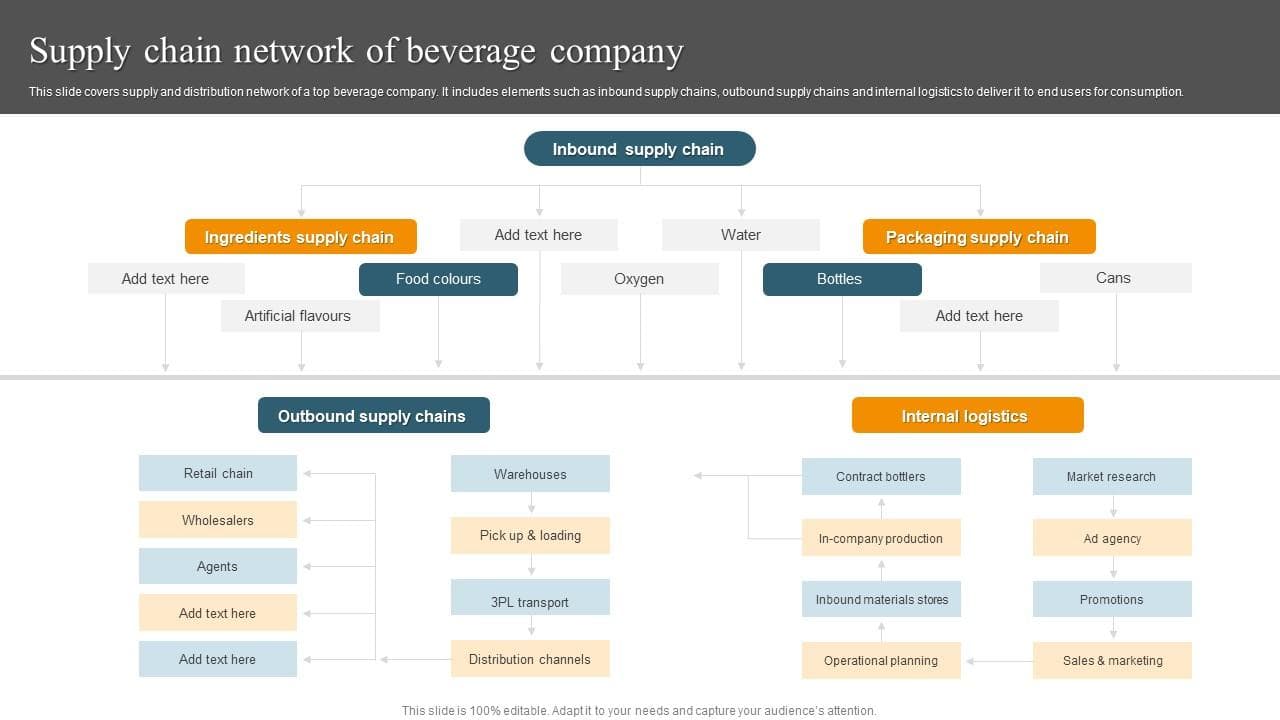
That matters in kombucha because the category leans on a long chain of outside help. A brand may need co-packers, distributors, packaging companies, logistics providers, consultants, retailers, and equipment suppliers before it can move from a kitchen-scale batch to a repeatable commercial run. The more fragmented that chain is, the more a business depends on informal introductions and local knowledge instead of a clean path to the next step.
What BevAtlas is trying to do differently
BevAtlas is built as more than a static directory. It describes itself as a structured business network that makes beverage companies, products, services, and opportunities easier to find, understand, and connect with. The practical promise is simple: instead of searching across scattered lists, a brand can look for suppliers and partners by sector, geography, product type, service type, and supply-chain role.
That design makes the tool feel especially relevant for smaller brands. Larger beverage companies usually have deeper distributor relationships, denser industry ties, and more internal sourcing muscle. Smaller kombucha makers often do not have that advantage, which means every new packaging run, new market, or new production partner can turn into a networking exercise. BevAtlas looks useful when the job is to find a co-packer in a specific region, locate a packaging supplier with the right format, or identify a logistics partner that already works in beverage.
Where it is less obviously a fit is in the purely craft side of kombucha making. It does not replace brewing knowledge, recipe development, or fermentation troubleshooting. Its value is in the unglamorous middle of the business, where getting a product out of the tank and into a bottle depends on whether the right supplier is visible in the first place.
Why the industry looks ready for this kind of tool
IBISWorld’s numbers underline why discoverability matters. The United States had 1,192 kombucha-production businesses in 2025, up from 1,134 in 2024, and the industry is described as having low market-share concentration. IBISWorld identifies KeVita Inc. as the largest business, which still leaves the field looking fragmented rather than dominated by a few giant players.
That is exactly the kind of market where a searchable network can change the day-to-day grind. When the category is dispersed across many small and mid-sized producers, the cost of not knowing the right supplier can be real: slower launches, missed retail windows, and more reliance on whoever happens to know whom from a trade event. BevAtlas is basically betting that better mapping can reduce that drag.
The regulatory layer raises the stakes
The sourcing problem is not just about convenience. Kombucha also sits in a regulatory zone where the right partners matter. The Alcohol and Tobacco Tax and Trade Bureau says kombucha containing 0.5 percent alcohol by volume or more must bear the federal health warning statement required by the Alcoholic Beverage Labeling Act of 1988. It also says kombucha can still fall under alcohol regulations if the alcohol level rises to 0.5 percent or more after bottling because of continued fermentation.
That makes experienced packaging, labeling, and production support especially valuable. A supplier network is not just about getting bottles or cartons at a good price. It can also help a smaller brand find the people who understand compliance risks, shelf stability, and the details that change when a fermented beverage keeps evolving after it leaves the tank.
A category that is growing up in public
The broader kombucha ecosystem is becoming more visible, and the calendar shows it. The 5th VLB Symposium on Acidic Fermented Non-Alcoholic Beverages took place on May 12 and 13, 2026, in Berlin, with kombucha among the topics. VLB Berlin lists Martin Senz as a contact for the symposium, a reminder that kombucha now has a place in serious technical and industry discussion, not just in small-batch circles.
Kombucha Brewers International pushes that same point from the commercial side. The association says it represents commercial kombucha brewers and has held more than 200 meetings with lawmakers across the United States. That kind of policy work signals a category that is no longer niche in the old sense, even if many of its producers are still small.
Market researchers reinforce that picture, too. Recent estimates put the global kombucha market in the multi-billion-dollar range, with figures ranging from about $3.4 billion to $4.82 billion depending on the firm and methodology. The spread itself is telling: kombucha is large enough to attract serious attention, but still diffuse enough that the market remains hard to pin down cleanly.
BevAtlas fits that moment. For kombucha makers trying to scale, the biggest bottleneck is often not creativity, but access. A tool that makes the supplier web easier to see will not solve every production problem, but it can make the route from a promising brew to a repeatable business a lot less dependent on luck.
This article was produced by Prism’s automated news system from verified source data, official records, and press releases, then run through automated quality and moderation checks before publishing. The system is built and supervised by the people who set the standards it runs under. Read our full AI policy.
Did this article answer your question?