Brazilian researchers expand kombucha brewing with local fruits and crops
Brazilian kombucha is moving beyond tea, with local fruits, yerba mate, coffee, and byproducts turning the ferment into a terroir-driven platform. Regulation is racing to keep up.
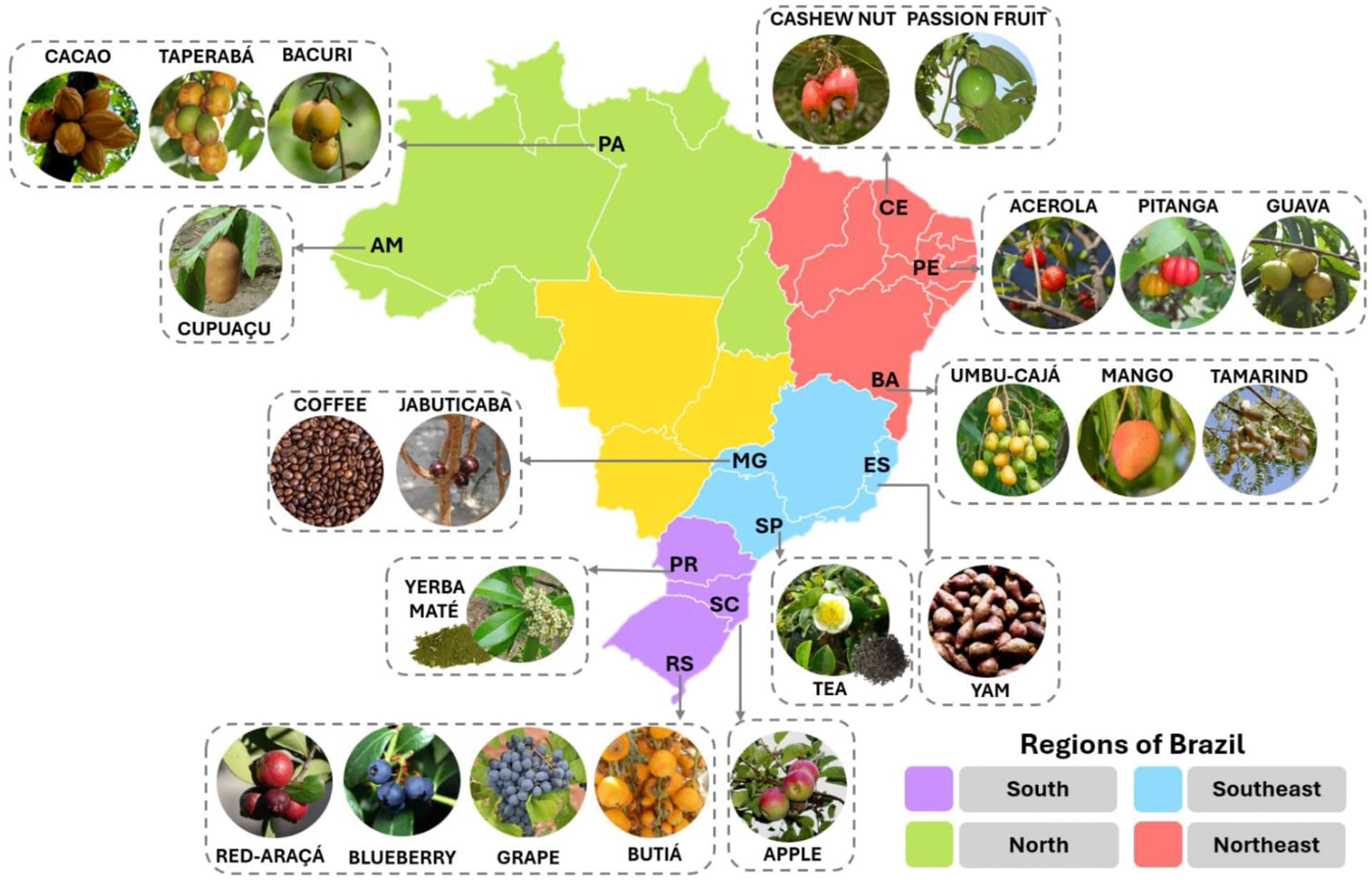
Brazilian kombucha is no longer just tea, sugar, and a SCOBY. A new review in Frontiers in Nutrition by Eduardo Leonarski, Guilherme Dallarmi Sorita, Karina Cesca, Débora de Oliveira, Daniel Quarentei Rossini and Cristiane Bogsan maps a fast-expanding ingredient frontier, where local fruits, botanicals, roots, and agricultural byproducts are being turned into kombucha and kombucha-like drinks.
A fermentation platform takes shape
The big shift in the review is conceptual as much as agricultural. Instead of treating kombucha as a single recipe built around Camellia sinensis, the authors frame it as a fermentation platform that can carry the character of Brazilian raw materials into a finished drink. That matters because analog beverages made with extracts other than traditional tea are already gaining market share, and Brazil, with its huge fruit industry and wide regional biodiversity, offers one of the clearest testing grounds for that trend.
Much of the experimental work has come from Brazil’s Northeast and South regions, but the ingredient map reaches far beyond those zones. The review points to coffee, yerba mate, yams, cocoa byproducts, acerola, guava, tamarind, mango peel, and grape peel, showing how the category is being pushed by both flavor development and the search for useful compounds in local crops.
Where the base stops and the flavor starts
For brewers, the most useful pattern in this literature is the split between true tea substitutes and secondary flavoring ingredients. Coffee, yerba mate, and yams appear as the kind of materials that can stand in for the usual tea base and shape the fermentation from the start. Fruit extracts, peels, and byproducts often work more like layered flavor platforms or functional add-ins, helping build acidity, aroma, and complexity without necessarily replacing the main substrate.
That distinction is important because it changes how you think about local sourcing. A tea substitute asks for a complete rework of the brew, while a peel or byproduct can turn a familiar kombucha process into a waste-saving side stream. The review’s ingredient list suggests that the next wave of kombucha innovation in Brazil is not just about exotic flavors, but about matching fermentation style to what each region already grows, processes, or discards.
What fermentation seems to do consistently
One of the clearest recurring findings in the review is that total phenolic compounds and antioxidant activity tend to rise during fermentation, regardless of the extract used. That does not mean every substrate behaves the same way, and the authors do not present these materials as interchangeable. It does, however, help explain why alternative bases keep attracting attention from researchers who care about flavor, functional compounds, and food-waste reduction at the same time.
For brewers, that pattern points to a practical lesson: the raw material is doing more than adding a taste note. In this Brazilian research stream, the ingredient itself is part of the fermentation story, and the final drink is being judged on how well it carries both terroir and transformation. That is the kind of logic that makes fruit peel, cocoa residue, or a regional herb feel less like a novelty and more like a brewing tool.
The regulatory wall around a fast-growing market
Innovation has not outrun the rules in Brazil, but it has certainly exposed where the rules are still catching up. Brazil’s Ministry of Agriculture and Livestock, known as MAPA, published Instrução Normativa No. 41 on September 17, 2019, creating identity and quality standards for kombucha and giving existing products 365 days to adapt their labels and composition. In academic literature, that regulatory move is described as pioneering, which fits the scale of the market that followed.
Government reporting in 2025 said kombucha production in Brazil had grown 923% in six years after regulation, with 249 registered manufacturers and São Paulo leading the pack at 42. A 2023 review also notes that Brazil’s rules allow beverages with up to 0.50% ABV to be labeled non-alcoholic, which shows why ethanol control remains a central issue for producers, especially as secondary fermentation becomes more common.
The unresolved problems are familiar to anyone watching the category mature: unclear use of tea and SCOBY in some formulations, no settled regulation around probiotic claims, uncontrolled ethanol production, and the need for clearer rules on secondary fermentation. The more kombucha expands into local crops and byproducts, the more it needs production discipline to match the creativity.
What Brazilian brewers can take from the new ingredient map
The real lesson from this review is not that one fruit or one crop will redefine kombucha. It is that Brazilian brewers are building a reusable model for ingredient-driven fermentation, where local sourcing, sustainability, and regional identity are part of the recipe from the beginning. That makes the category more adaptable, but also more demanding, because every new raw material has to be balanced for flavor, safety, and consistency.
Brazil’s kombucha frontier now looks like a map of possibilities: Northeast fruit, South-region botanicals, coffee, yerba mate, yams, and even peels and processing leftovers all feeding the same larger idea. The old kombucha frame was tea first and everything else second. This one starts with the land itself, and that is what makes the next wave of brewing feel both more local and more ambitious.
This article was produced by Prism’s automated news system from verified source data, official records, and press releases, then run through automated quality and moderation checks before publishing. The system is built and supervised by the people who set the standards it runs under. Read our full AI policy.
Did this article answer your question?