KEFIRKO shares watermelon, lemon, mint and lavender kombucha recipe
KEFIRKO’s summer kombucha folds watermelon, lemon, mint and a pinch of lavender into a fast second ferment built for bright flavor and hotter kitchen temps.

KEFIRKO's June 24, 2026 recipe uses 1 litre of first-fermentation tea, 150 to 300 ml of blended watermelon and lemon, fresh mint leaves, and just a pinch of dried lavender flowers. The kombucha is light, aromatic and naturally uplifting, with the watermelon supplying sweetness, the lemon cutting through with brightness, and the mint and lavender pushing the finish toward something garden-like rather than candy-sweet.
The fruit mixture sits at room temperature for one to two days, and the batch can be strained before bottling if a cleaner texture is the goal. For more fizz, the bottles can stay out for another one to two days before moving to the refrigerator. In warm weather, first fermentation often finishes in five to seven days, which makes this the kind of recipe that moves quickly when the kitchen runs hot.

Watermelon is sweet enough that extra sweeteners usually are not needed, and too much sugar can blur the tart edge that keeps kombucha lively. Lavender needs a lighter hand, since it is highly aromatic and can take over fast; the pinch KEFIRKO uses reads as an accent, not a perfume bomb. Brewers who want a fresher profile can push the batch with extra mint or a little more lemon, while those who want a softer summer drink can let the watermelon carry more of the load.
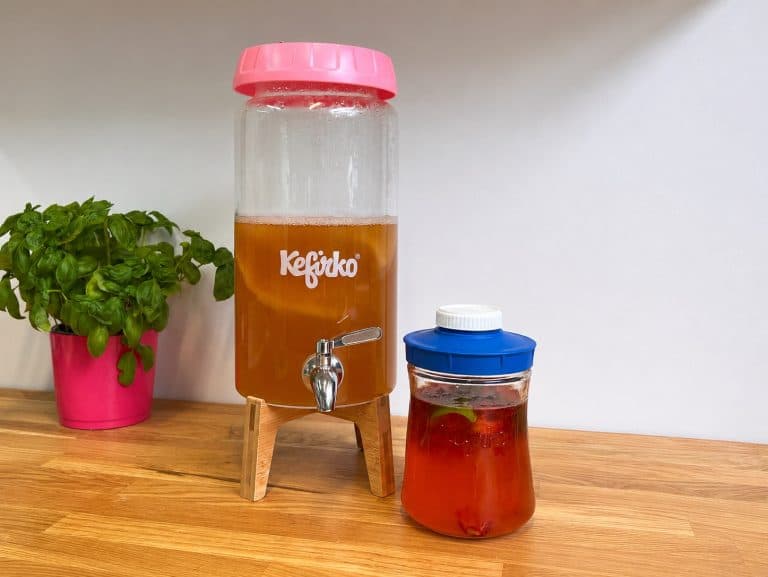
KEFIRKO's temperature guide puts kombucha's optimal range at 22 to 27°C, or 72 to 80°F, and warns that warmer environments speed fermentation and can favor yeast growth. The Alcohol and Tobacco Tax and Trade Bureau says kombucha that reaches 0.5% alcohol by volume or more is regulated as an alcohol beverage, including when fermentation keeps going after bottling, and Pennsylvania agriculture guidance says alcohol can rise to 3% during a long ferment.
This article was produced by Prism’s automated news system from verified source data, official records, and press releases, then run through automated quality and moderation checks before publishing. The system is built and supervised by the people who set the standards it runs under. Read our full AI policy.
Did this article answer your question?