Kombucha Brewers International launches Verified Seal for authentic products
KBI’s Verified Seal gives kombucha buyers a fast way to spot authentic fermentation, label claims, and brands that meet food-safety and alcohol rules.
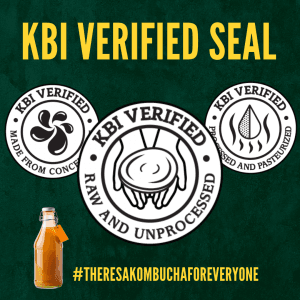
Kombucha shoppers who buy commercial bottles for inspiration now have a clearer marker to watch for: the KBI Verified Seal. For homebrewers comparing retail kombucha against their own batches, the seal turns authenticity into something visible on the shelf, with standards tied to fermentation method, labeling, and compliance.
Kombucha Brewers International announced the seal on August 28, 2025, after more than a decade of advocacy, research, and industry collaboration. The association says the program was built to bring clarity to a category that has often been misunderstood by consumers, retailers, distributors, and regulators, especially as kombucha labels can cover very different products under the same name.
The seal is not just a branding exercise. KBI says any active member in good standing may apply, but participating brands must submit documentation, sign a certificate of conformance, and remain open to randomly selected periodic on-site audits by a third-party auditor. Verification lasts 12 months and must be renewed annually, which keeps the system active instead of one-time.

That matters for anyone using store-bought kombucha as a benchmark. KBI’s Code of Practice version 3.0, unveiled in July 2023, applies to beverages bearing the name of kombucha, from concentrate or not, flavored or not. The standards also address sugar and alcohol content, added sweeteners, pasteurization, and shelf-stable kombucha, giving shoppers a framework for comparing a raw bottle on one shelf with a pasteurized or concentrate-based product on another.
The regulatory backdrop helps explain why those details matter. The U.S. Alcohol and Tobacco Tax and Trade Bureau says kombucha at 0.5% alcohol by volume or more is regulated as an alcohol beverage under federal law. The agency also warns that bottle-conditioned kombucha can cross that line after bottling if fermentation continues. For homebrewers and small producers alike, that makes labeling and process control part of the product itself, not just the paperwork around it.
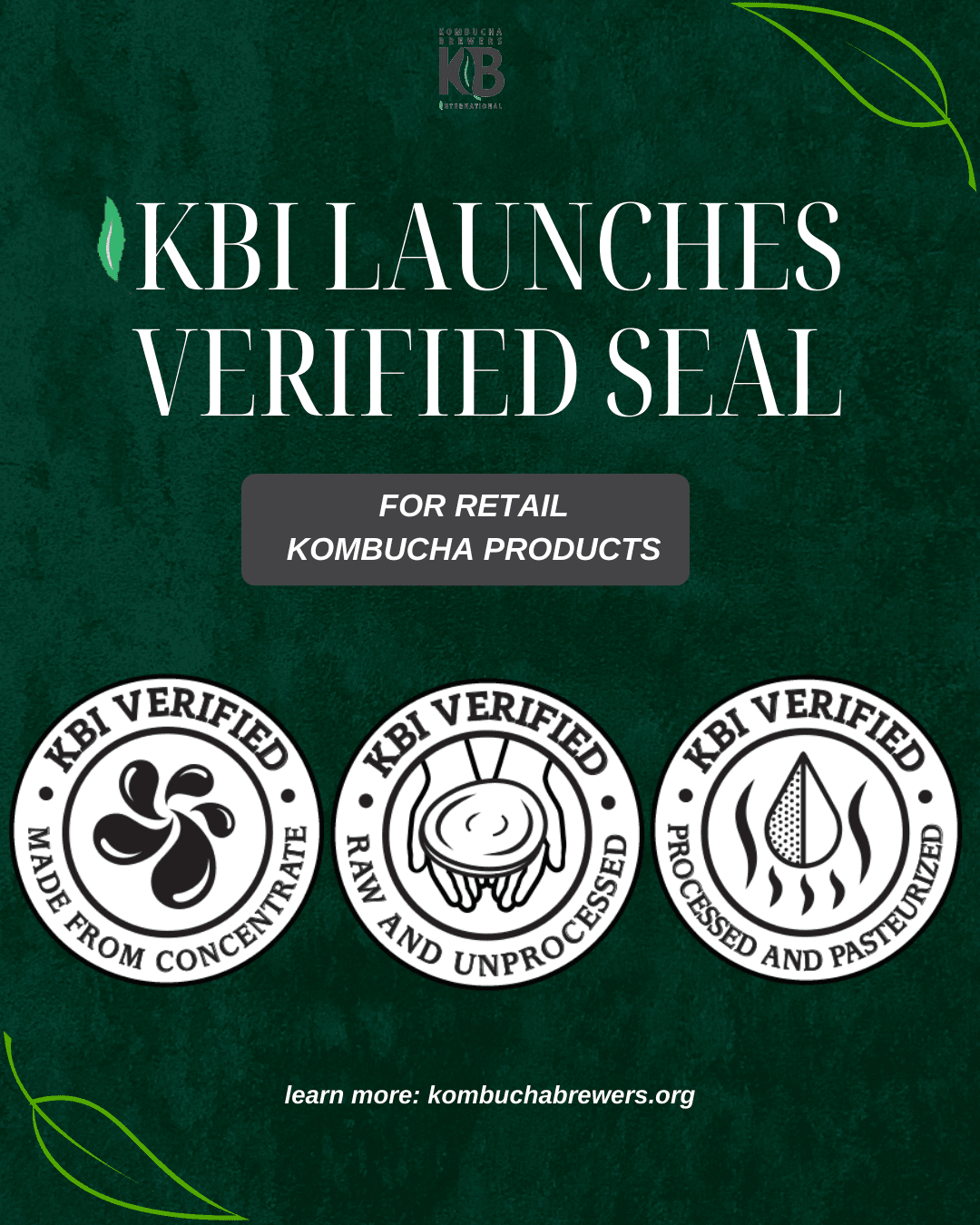
KBI says the seal may appear on packaging, labels, websites, marketing materials, and social media, making it easier to spot verified brands in a crowded market. Industry research firms estimate the kombucha market at roughly $2.9 billion to $4.2 billion in 2025, a scale that raises the stakes for trust, shelf placement, and product identity.
GT Dave of GT’s Living Foods was identified by KBI as the first brand to carry the seal, and he called it “the culmination of countless hours from passionate brewers across the globe.” Kendra Sepulveda said the program could set a global benchmark for authenticity in fermented beverages. For brewers scanning a bottle before buying it for inspiration, the seal now offers a quicker read on whether the product is being sold as genuine kombucha, and whether its claims line up with the way it was actually made.
This article was produced by Prism’s automated news system from verified source data, official records, and press releases, then run through automated quality and moderation checks before publishing. The system is built and supervised by the people who set the standards it runs under. Read our full AI policy.
Did this article answer your question?