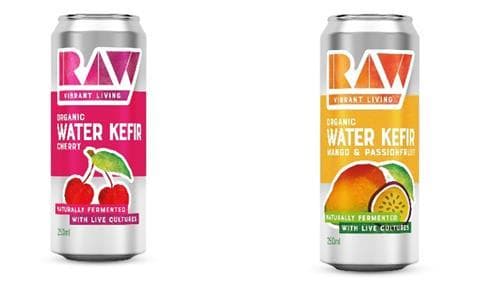
Kombucha may erode teeth when sipped frequently, experts warn
Frequent kombucha sipping can trap teeth in acid longer than saliva can fix, and lab studies now show some brews can rival cola in erosive potential.

Frequent sipping of kombucha can keep teeth bathed in acid long after the glass is empty. The warning landed on June 18, 2026, with dentist Dr Andrew Sproll and dietitian Danielle Shine pushing back on the idea that a health-food label makes a fizzy drink harmless.
Their concern centers on acidity, not sugar. Kombucha naturally has a low pH, and when it is sipped throughout the day the mouth can stay in a low-pH state longer than saliva can neutralize it. That is where the risk starts to look familiar to any brewer who has watched a bright, sharp batch linger on the palate: enamel erosion, sensitivity, thinning teeth, and other decay-related damage can follow repeated exposure, especially when acidic drinks are consumed apart from meals.
The point reaches beyond kombucha alone. The same wellness language now follows sparkling water, apple cider vinegar drinks, and a wider mix of probiotic, prebiotic, and adaptogenic beverages sold as better-for-you swaps. Sproll’s warning was blunt in practice: moving away from soft drinks does not automatically move the damage away if the replacement is still acidic and still getting sipped all day.
The American Dental Association says frequent consumption of acidic foods and beverages is associated with erosive tooth wear, and its advice is straightforward: limit acidic drinks, use a straw, and wait about an hour before brushing so saliva can help re-harden enamel. That guidance matters for kombucha drinkers who treat a bottle as a steady companion rather than a drink to finish and move on from.
Recent lab work backs up the concern. A 2023 study found kombuchas displayed considerable erosive potential, and tea-based beverages came out especially high in comparison testing. A 2025 in vitro study used an oral cavity simulator to measure kombucha’s effect on dental hard tissues, while another 2025 lab analysis found kombucha could be just as erosive as Coca-Cola after prolonged exposure. In that same experiment, saliva eliminated measurable damage, underscoring how much timing and drink pattern matter.
For home brewers, the bigger takeaway is that kombucha is not one fixed liquid. Fermentation time, ingredients, and added calcium can change pH, total acidity, and the drink’s impact on dental materials, which means one bottle can be harder on teeth than another. The health halo stays bright, but the chemistry does not change: the more often kombucha sits on enamel, the more that sour edge can turn into a dental cost.
This article was produced by Prism’s automated news system from verified source data, official records, and press releases, then run through automated quality and moderation checks before publishing. The system is built and supervised by the people who set the standards it runs under. Read our full AI policy.
Did this article answer your question?