Kombucha packaging guide covers bottles, labels, and compliance
The bottle you choose is only half the job. Labels, alcohol thresholds, and shelf-stable packaging decisions can determine whether your kombucha is retail-ready or risky.
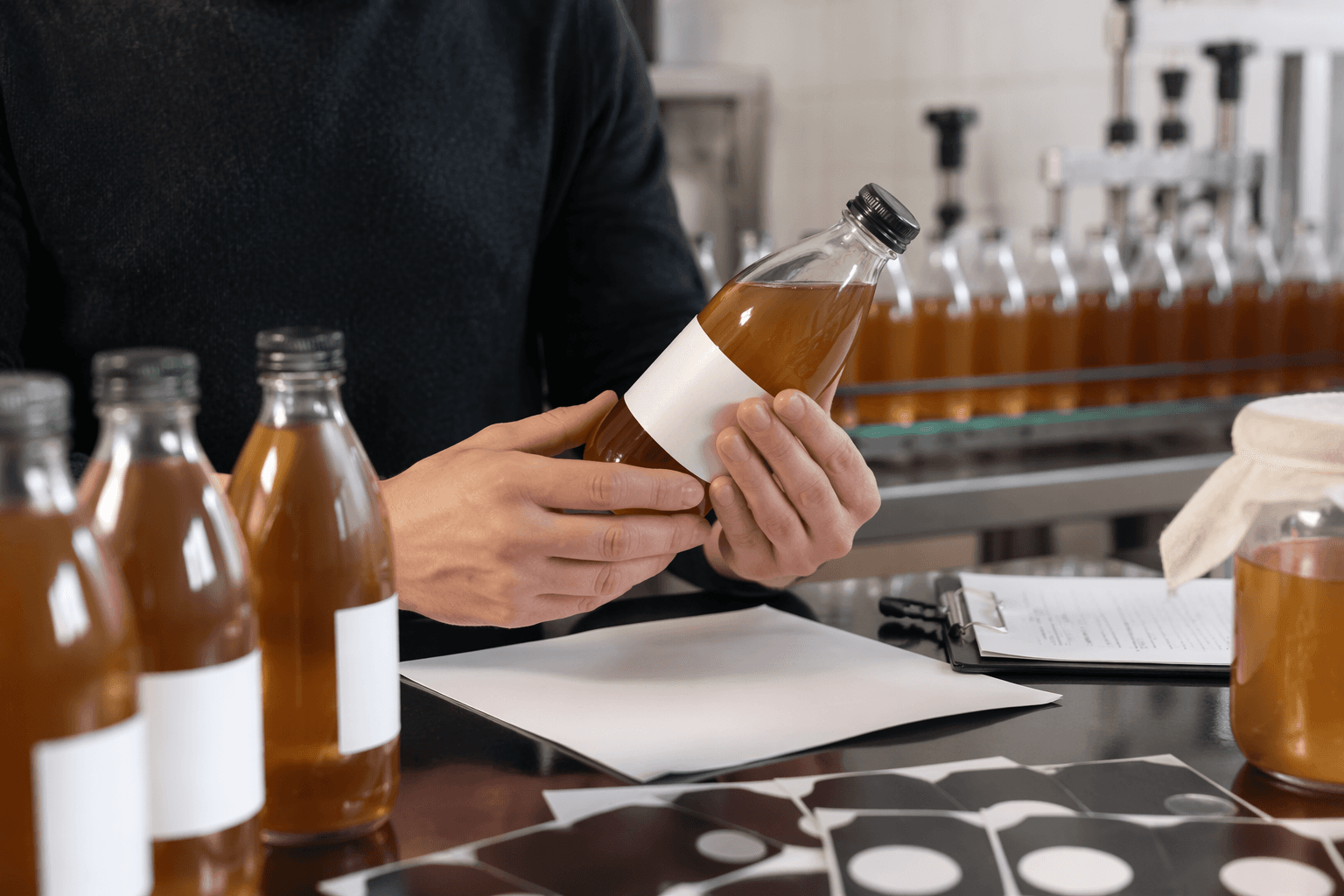
The moment your kombucha moves beyond the kitchen counter, the package becomes part of the product. A bottle, can, or growler is no longer just a container, it is how you communicate the brand, protect carbonation, and stay inside the rules that govern what lands on a shelf.
Start with the container, not the logo
Packaging begins with a practical choice: what holds the drink, how well it survives handling, and whether it fits the size and style of the kombucha you are making. The guide points you toward bottles, cans, growlers, and other containers, then asks you to weigh glass, plastic, aluminum, and paper against one another by cost, durability, and environmental impact.
That is where a lot of home brewers overlook the real test. A package has to match the volume of the drink, but it also has to match the category expectation, because a fizzy kombucha in a flimsy container is not just a branding mismatch, it is a storage problem. When you are thinking about gifting widely or selling at a market, the container is part of shelf stability and part of how confidently your product travels.
Labels are where hobby becomes compliance
Once you plan to distribute beyond your own fridge, the label stops being decorative. You need room for ingredients, allergens, nutritional information, and any other mandatory disclosures that apply to food and beverage packaging. For kombucha, that matters more than most first-time makers expect, because live cultures, residual sugar, alcohol considerations, and different state or market requirements can all affect what has to appear on the package.
The federal alcohol threshold is the line you cannot treat casually. The Alcohol and Tobacco Tax and Trade Bureau says kombucha containing 0.5% alcohol by volume or more is regulated as an alcohol beverage, and kombucha at or above that level must be produced on a TTB-qualified premises and follow alcohol labeling, formula, tax, and health-warning requirements. TTB also warns that kombucha bottled below 0.5% ABV can still come under alcohol regulations if continued fermentation later raises the alcohol content to 0.5% or more.
That warning is a reminder that packaging choices and fermentation behavior are tied together. If your bottle keeps fermenting after fill, your label may no longer match the product inside, and that is exactly the kind of mistake that turns a promising side hustle into a compliance problem. TTB says failure to comply with the federal laws and regulations governing production, bottling, labeling, and distribution may lead to enforcement action, so the label is not the place to improvise.
Do not assume the label gets a pass
The U.S. Food and Drug Administration’s food-labeling guidance makes another point that brewers often miss: FDA does not pre-approve labels for food products. That means the responsibility sits squarely with you to make sure the label is right before the bottle ever reaches a market table, farm stand, or retail cooler.
For kombucha, that burden is especially important because the category sits close to several lines at once. It is a fermented beverage with live cultures, it can carry residual sugar, and it can shift from food rules to alcohol rules if fermentation continues. In practice, that means you need to think through the label claims you make, the disclosures you include, and the package you choose as one connected decision rather than separate chores.
Market research should shape the format
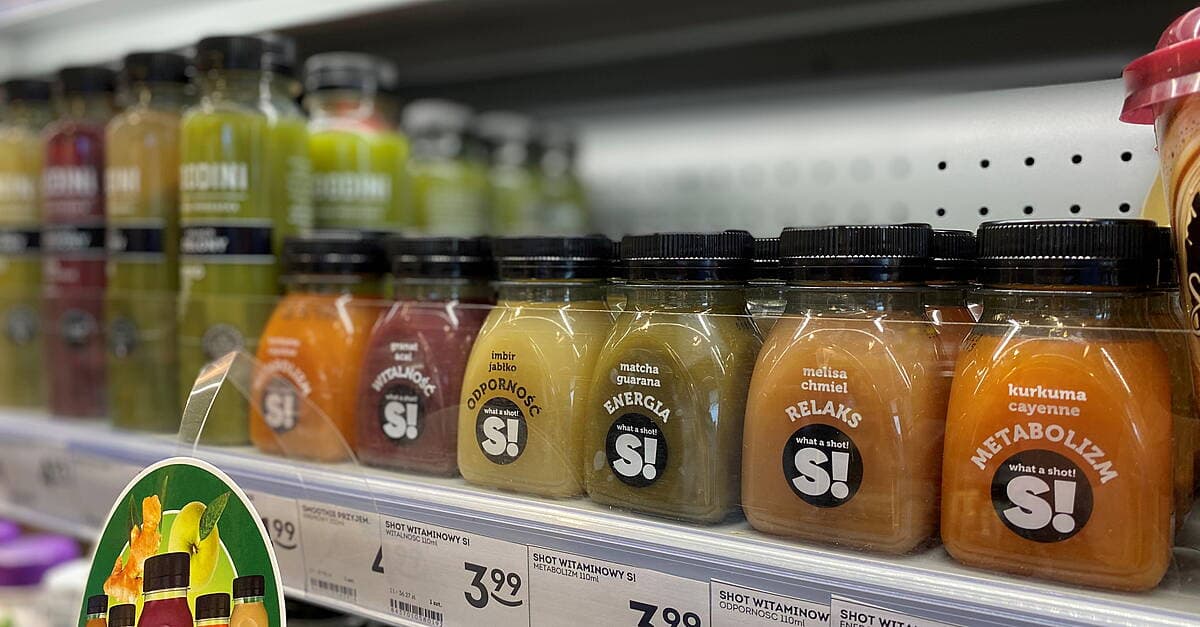
The guide does not treat packaging as a one-size-fits-all creative brief. It urges you to study your target customers and look closely at competitor packaging before deciding on size, shape, and format. That research matters because the container should fit the drink, but it also has to fit the expectations of the shelf, the cooler, or the market stand where it will sit.
This is one of the easiest places for hobbyists to overestimate instinct and underestimate context. A package that looks appealing in a home fridge can still feel off in a retail setting if the shape, size, or format does not align with what buyers in the category are used to seeing. If you want your kombucha to look like it belongs, market research should shape the package before printing ever starts.
Design has to do more than look good
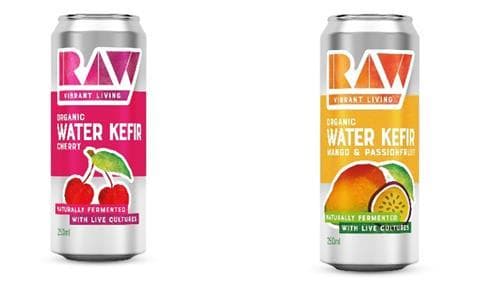
Once the structure is set, design becomes the bridge between clarity and personality. The guide pushes you to build a design concept and strategy that account for color, font, imagery, and layout so the finished package is attractive, legible, and differentiated. That balance matters because kombucha packaging has to do three jobs at once: signal brand identity, communicate product facts, and avoid visual clutter that makes the label harder to read.
For a small brewery, this is where the temptation to overload the bottle usually shows up. You want the product to feel handcrafted, but you also need the information to be easy to scan fast. A clean design can make a brand feel trustworthy; a crowded one can make even a good brew look uncertain.
The commercial stakes keep rising
This is not happening in a tiny corner of the beverage world anymore. Grand View Research estimated the U.S. kombucha market at $1.62 billion in 2024, while MarketsandMarkets placed the global kombucha market at $2.4 billion in 2024 and projected growth to $5.9 billion by 2029. Emergen Research went even higher, estimating the global market at $2.64 billion in 2024 and projecting $7.83 billion by 2034.
Those numbers explain why packaging detail matters so much. When a category is growing, shelf presentation and regulatory accuracy can help determine whether a brand looks serious enough to scale. Packaging is not just a wrapper around the beverage; it is part of the business case.
Sustainability and format choices matter too
Packaging also carries environmental consequences, and that is now part of the kombucha conversation as well. A 2025 sustainability study found that packaging-related impacts substantially affect kombucha production’s overall sustainability, and industry commentary from 2024 argued that aluminum cans can offer scalability and recyclability advantages for kombucha brands.
That does not mean every kombucha belongs in a can, but it does mean the format decision has more than one dimension. Cost, durability, compliance, shelf stability, and sustainability all meet at the same point. If you started with a fermenting vessel and a good recipe, the next serious step is making sure the package can carry the product into the real market without breaking the rules or the bottle.
This article was produced by Prism’s automated news system from verified source data, official records, and press releases, then run through automated quality and moderation checks before publishing. The system is built and supervised by the people who set the standards it runs under. Read our full AI policy.
Did this article answer your question?