Momo Kombucha scales up with proprietary fermentation system and new brewery
Momo turned a two-year fermentation redesign into a jump from 60,000 bottles a week to 300,000. Its new vessels kept jar-level depth, oxygen flow and temperature control intact.
Momo Kombucha’s expansion was not really about bigger tanks. It was about keeping the same bright, live-culture character while moving from a small-batch operation into a system built to hold flavor steady at far higher volume.
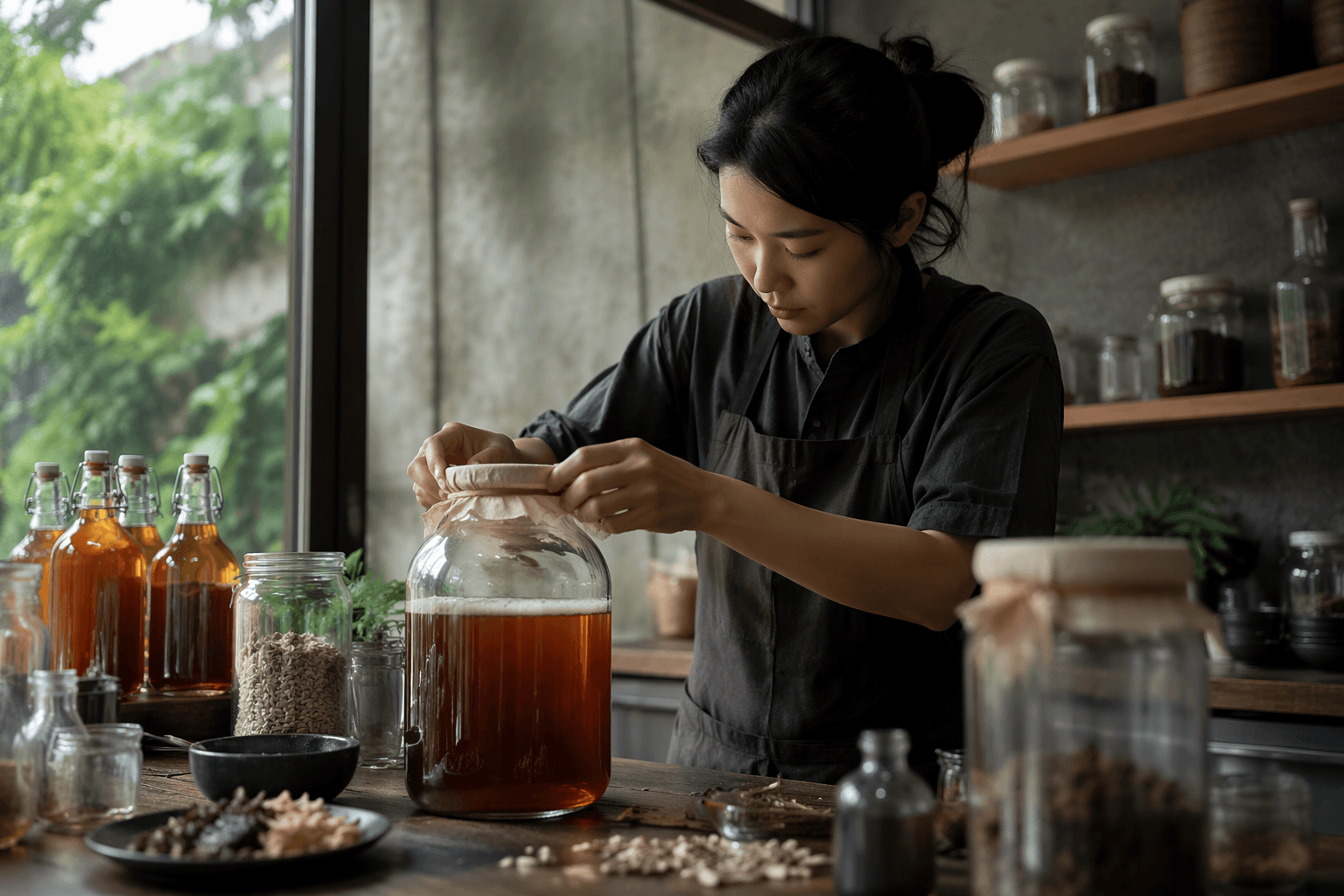
The UK kombucha maker said its proprietary fermentation setup took two years to develop and was designed by innovation manager Matt Hoyle, production manager Matt Canham and co-founder Josh Puddle. The new vessels were built to preserve the liquid depth of the glass jars Momo had used in its early brewing days, while integrated airflow systems were meant to improve oxygen transfer and better support the culture. Temperature-controlled heat pads and automated pipework and pumps were added so finished kombucha no longer had to be moved by hand from thousands of jars into chilling and carbonation tanks.
That shift matters because Momo treated the new system as a tested change, not a leap of faith. The company said it retired its 3,000 glass fermentation jars in December after validating the setup, a sign that the brewery had already worked through the fermentation stability questions that usually make scale-ups nervous. For home brewers, the lesson is plain enough: consistency starts with temperature control, oxygen management and a vessel that behaves the same way every time you use it.
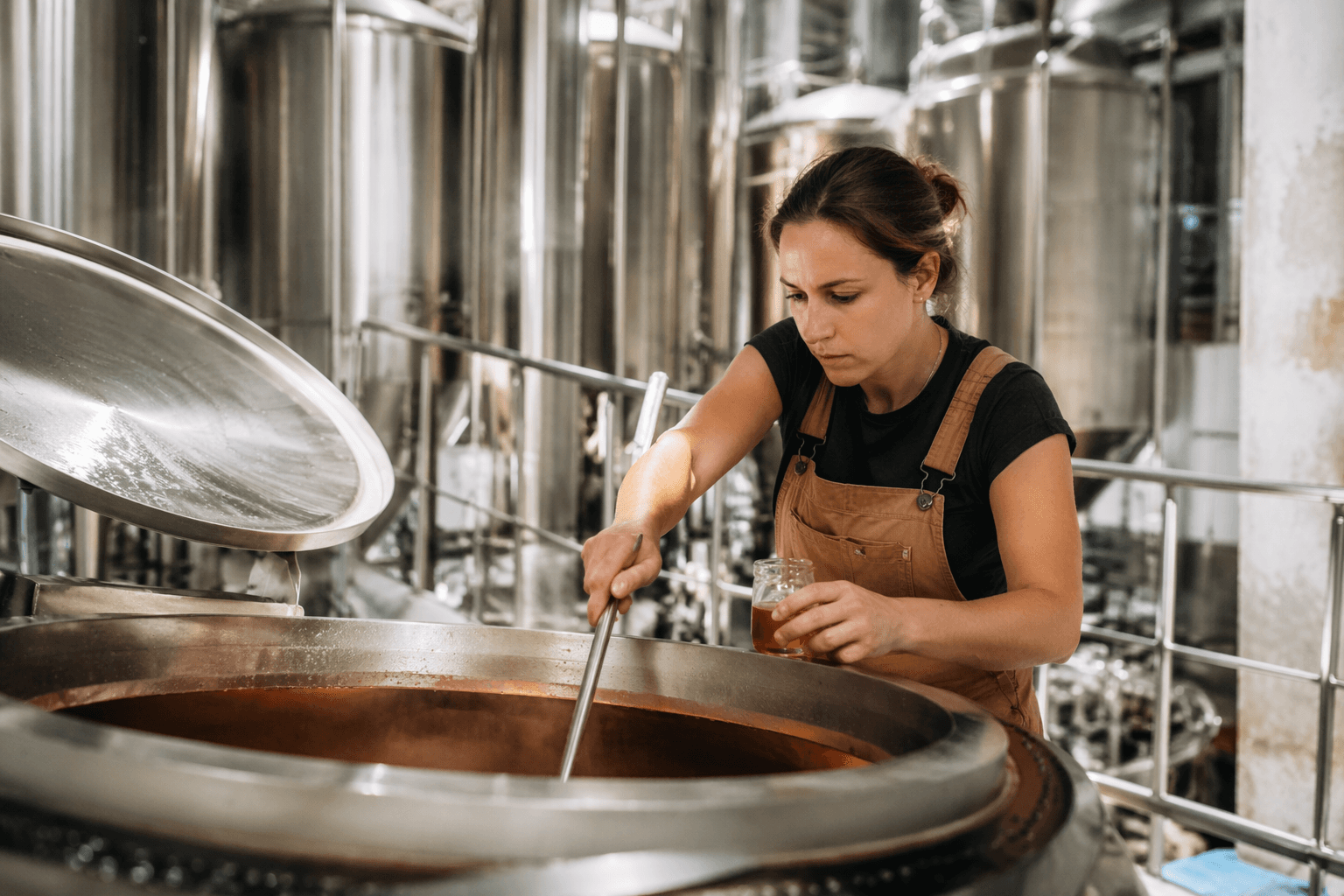
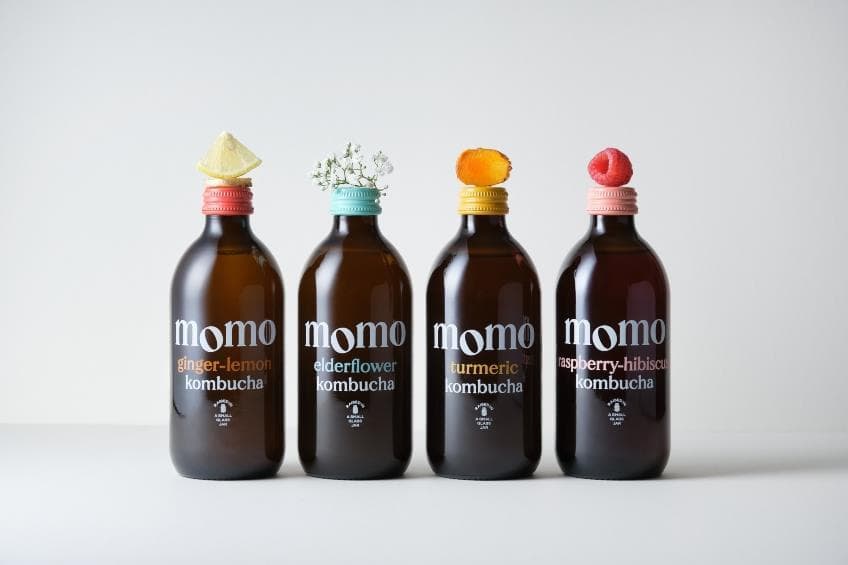
The new brewery will sit in a 16,000-square-foot facility in Herne Hill, South London, at the former Brixton Brewery site. Momo said the move would lift output from 60,000 bottles a week to 300,000 bottles a week, a sharp increase for a brand that still describes its kombucha as organic, unfiltered, raw and traditionally brewed. Its core line includes Ginger-Lemon, Turmeric, Elderflower and Raspberry-Hibiscus, and the company says it still brews with Sencha and Assam teas.
Momo’s scale-up also comes with a longer backstory. Founders Josh and Lisa Puddle discovered kombucha in New York in 2016, started homebrewing in London and launched the brand in October 2018. The company later moved into New Covent Garden Market, which it has described as fundamental to its growth, before now heading back to South East London after seven years away. It said in April that it had forty-five working days to move across London, and in May it said the team bottled 100,000 bottles in a week to keep supply moving during the relocation.
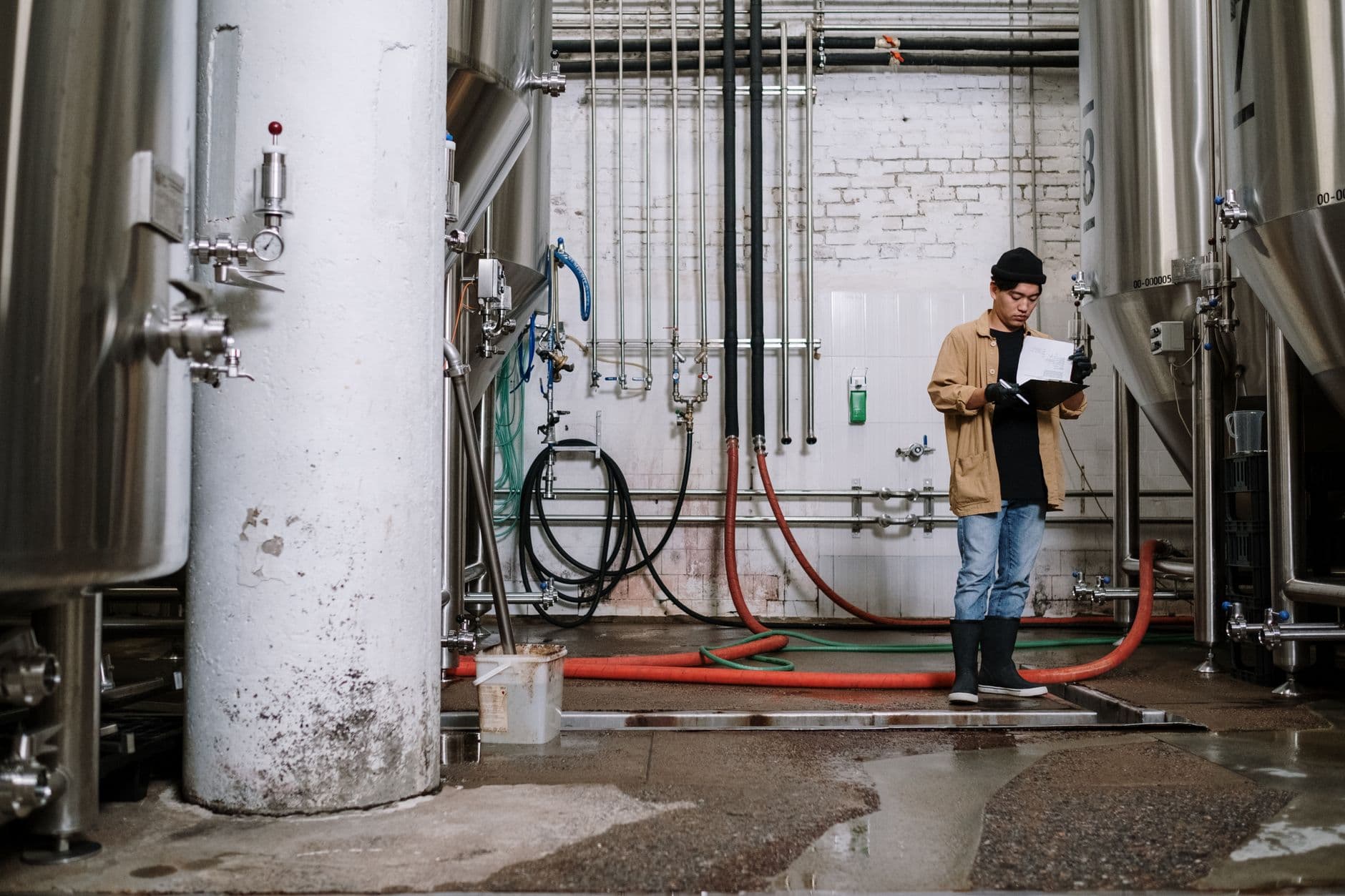
The commercial footing has been strengthening too. Momo raised £2 million in September 2025, bringing total funding to £4.5 million since inception, after a period of rapid growth that included 150% revenue growth in early 2024 and a forecast of £3 million in revenue that year. It became a certified B Corp in 2022 with a score of 94.4, then re-certified in 2025 with a score of 106, which it says made it the highest-scoring kombucha company in the world. The same drive that built its reputation in glass jars is now being translated into a larger, more controlled brewery, without losing the fermentation discipline that made the brand work in the first place.
This article was produced by Prism’s automated news system from verified source data, official records, and press releases, then run through automated quality and moderation checks before publishing. The system is built and supervised by the people who set the standards it runs under. Read our full AI policy.
Did this article answer your question?