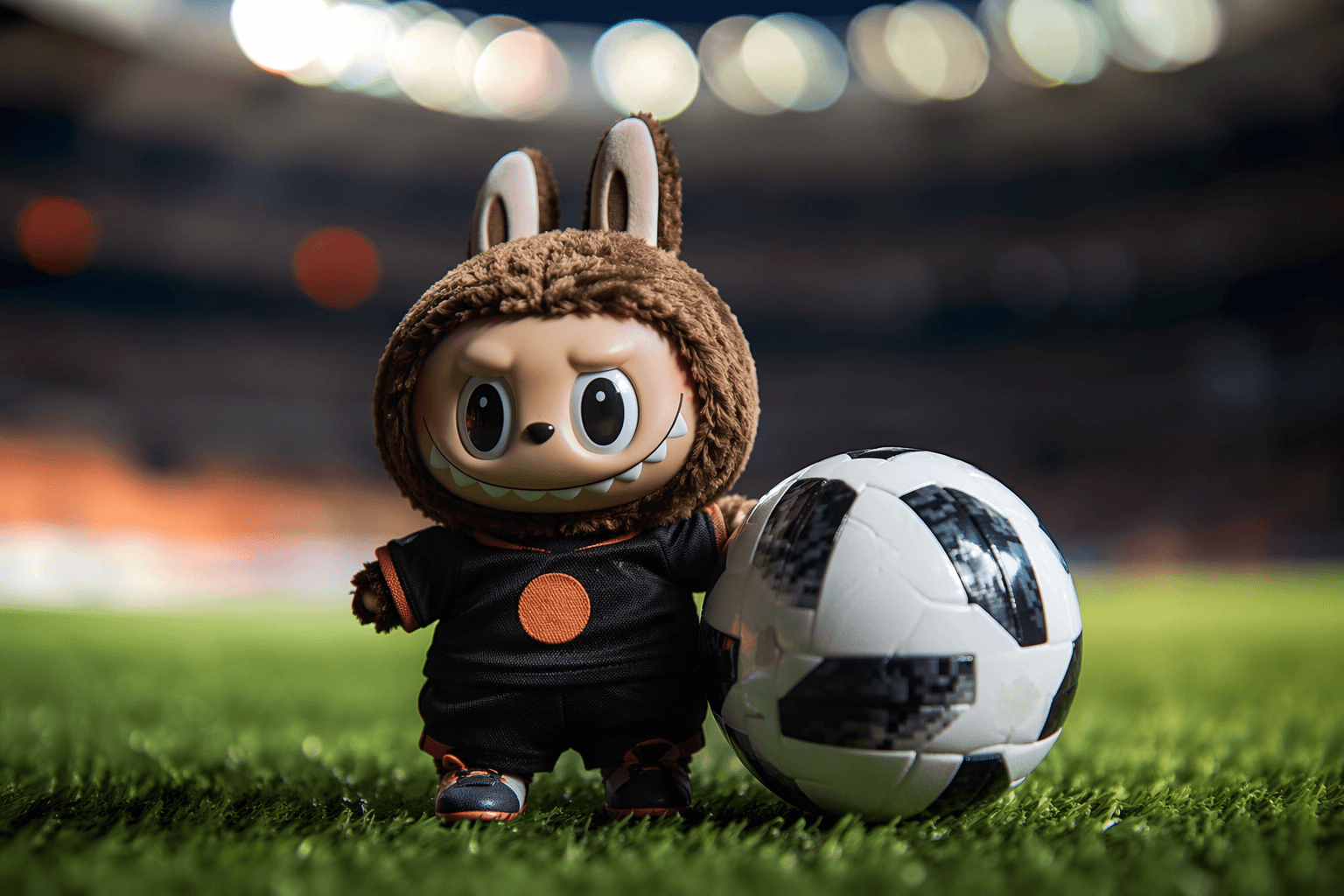

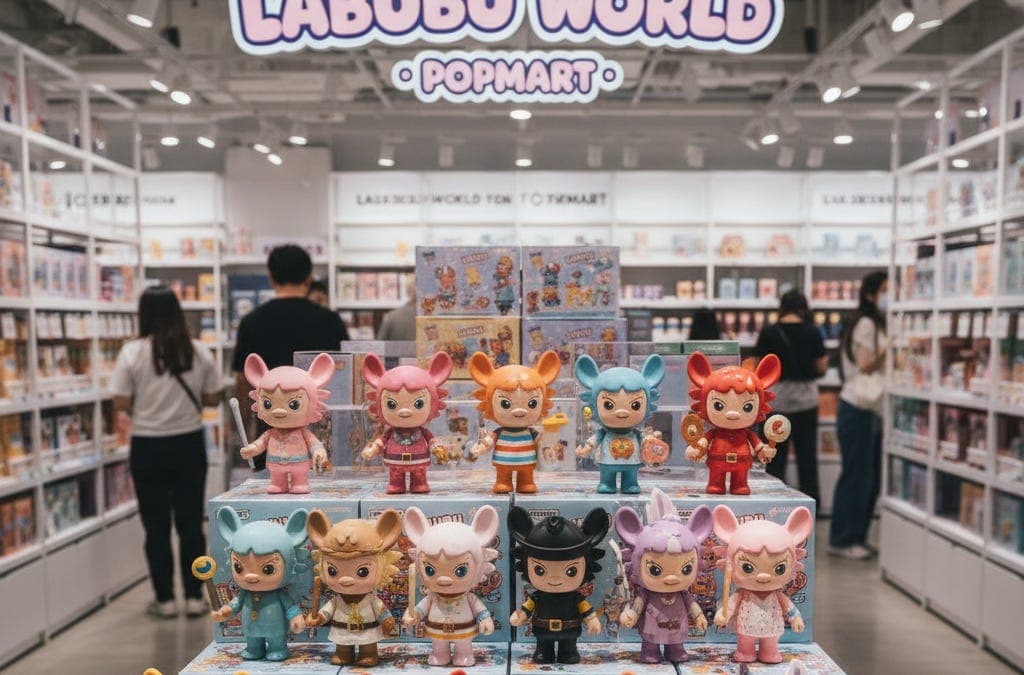
After the blind-box thrill fades, what happens to Labubu collections?
When the Labubu rush calms down, the real questions are storage, resale, and safety. The hardest part is not buying the box, it is living with it.

The blind-box high is only the first half of the story. Once the dopamine of the pull fades, a Labubu collection turns into something far more practical: shelf space, storage bins, resale math, and a hard look at what still feels worth keeping.
What the collection becomes after the chase
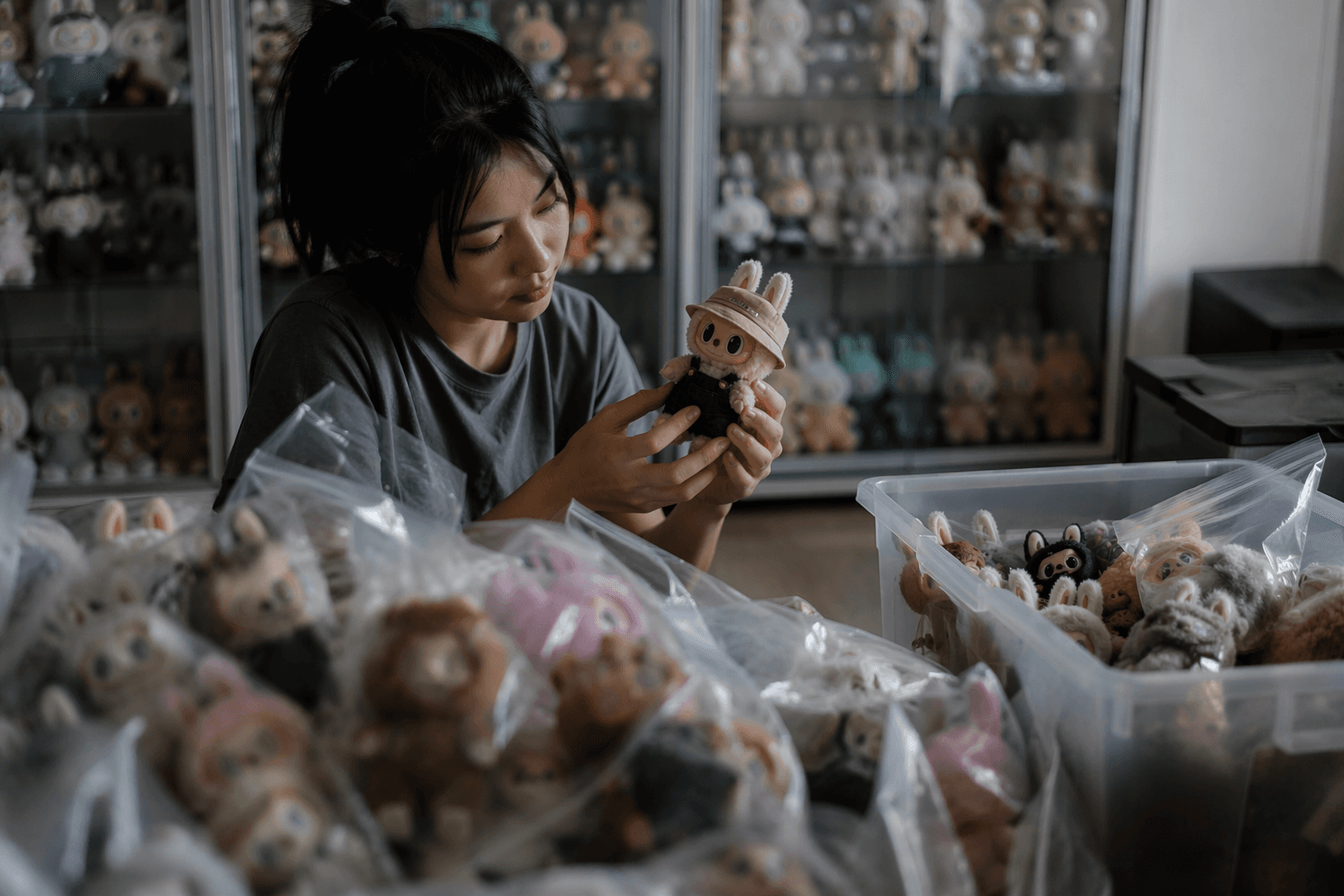
AsiaOne’s wider look at blind-box culture puts Labubu in the same frame as Pokémon cards, Sanrio goods, and Milo plushies, and that shift matters. The question is no longer whether a character is hot on social media, but where all the figures go after collectors have bought enough to scratch the unboxing itch. For Pyron Tan, who says he has been collecting since 2002, that answer is already very real, with a few hundred items spread across vintage toys, blind boxes, and art toys.
That is the part many newcomers do not plan for. A collection that began as a thrill can quickly become a maintenance job, especially when the same character appears in multiple sizes, materials, and series. If you are buying Labubu with an eye on the long term, the real test is not whether you can get the next box, but whether you still want to look after the last ten.
What keeps value, and what slides into clutter
The secondary market has already shown how fast the temperature can change. Reuters reported in October 2025 that Labubu resale prices fell sharply after Pop Mart increased production, with some figures dropping from more than 500 yuan to about 108 yuan, and some falling below official store prices. That is the clearest clue collectors need: scarcity can support liquidity, but once supply improves, the easy flipping window can close fast.
In practice, the pieces most likely to hold interest are the ones that remain hard to find, visually distinct, or tied to a specific run that collectors still chase. Duplicates, common pulls, and extras bought only for the unboxing rush are the first items that start to feel like clutter. If your shelf is full because you are curating a display, that is one thing; if your shelf is full because you kept every box in case it might “someday” matter, you are already paying the storage cost.
A simple way to sort a Labubu pile is this:
- Hold the pieces that you genuinely want to see every day, or that belong to a set you are committed to finishing.
- Display the figures that still give the collection a clear visual identity, especially if they represent a favorite series rather than random overlap.
- Resell extras, duplicates, or pieces you would buy only because they might be rare later, since Pop Mart’s production increases have already shown how quickly prices can soften.
- Stop buying when the next box is no longer adding joy, only more storage pressure.
That last line is the hardest one for collectors, because Labubu culture is built around possibility. But possibility is expensive when it starts requiring new boxes, new organizers, and more space than the figure itself deserves.
Why regulators are now paying attention
Singapore has already moved from curiosity to policy. In February 2026, the Ministry of Home Affairs said blind-box regulations were being drafted and would be shared around mid-2026, with the goal of reducing gambling-inducement risk and the possibility of excessive spending. Officials have also said age restrictions and probability disclosure are being studied, and Singapore had already regulated mystery boxes in 2022.
That matters because Labubu is no longer being treated only as a cute collectible. It sits inside a broader consumer-protection debate about formats that encourage repeated buying through uncertainty, including blind boxes and even trading card packs. For collectors, that means the hobby is being watched not just as fandom, but as a spending behavior.
The hidden costs are not only financial
The environmental argument is harder to ignore the longer a collection grows. Researchers and commentators have argued that blind-box formats push overconsumption because buyers chase rare editions and end up with duplicates, which means more packaging waste and more unwanted plastic-heavy goods in circulation. That is especially relevant for PVC figures and plushies, which do not disappear neatly when the trend cools.
Pyron Tan’s story captures the emotional side of that burden. Collecting can stay connected to creativity for decades, but even a beloved collection eventually forces a practical question: what do you do with pieces you no longer need? That question lands differently when the item is an art toy you still admire versus a boxed duplicate you never meant to keep in the first place.
The safety problem follows the fad too
The Labubu boom has also created a shadow market. In August 2025, the U.S. Consumer Product Safety Commission warned that fake Labubu dolls sold as plush figures or keychains could break apart and pose choking hazards to children, and Chinese customs agencies reported seizures of counterfeit Labubu-related goods in 2025. Once a collectible becomes ubiquitous, the lifecycle includes not just storage and resale, but also fakes, risk, and disposal.
That is one more reason to treat value carefully. A piece that is real, documented, and still desirable in the market is one thing. A counterfeit, a damaged figure, or a duplicate bought on impulse is another, especially when the back end of the craze is already crowded with cheap substitutes and risky lookalikes.
Why the scale of the craze still matters
Pop Mart’s numbers explain why all of this became a serious conversation so quickly. The company reported 2025 revenue of RMB 37.12 billion, up 184.7 percent year on year, with profit attributable to owners at RMB 12.78 billion. Its The Monsters IP, which includes Labubu, brought in RMB 14.16 billion in 2025 and became the company’s first IP franchise to surpass RMB 10 billion in annual revenue.
That scale is why Labubu cannot be dismissed as a tiny niche toy fad. When one character line becomes a major growth engine, the question of what happens after the hype is not theoretical. It becomes a practical guide for what to keep, what to unload, and what to leave on the shelf before the shelf starts owning you.
The blind-box thrill always feels infinite when the wrapper is still in your hand. The real collector decision starts later, when the boxes stack up, the prices soften, and the collection has to prove it deserves the space it now occupies.
This article was produced by Prism’s automated news system from verified source data, official records, and press releases, then run through automated quality and moderation checks before publishing. The system is built and supervised by the people who set the standards it runs under. Read our full AI policy.
Know something we missed? Have a correction or additional information?
Submit a Tip