Blind Box Basics: How Collectors Can Score Rare Labubu Variants
Pulling a secret rare Labubu isn't pure luck — understanding Pop Mart's blind box system gives you a real edge before you spend a cent.

Every Labubu collector has been there: you've torn open your fifth box from the same series, and it's another standard variant you already own. The frustration is real, but it's also largely avoidable. Blind boxes are designed to feel random, but the system behind them follows predictable patterns — and once you understand those patterns, you can make smarter decisions about when to buy, how much to spend, and when to walk away.
How blind box mechanics actually work
Pop Mart structures its Labubu series around fixed probability tiers. A standard series typically contains 12 regular variants, each with roughly equal pull rates, plus one or more "secret" variants sitting at around a 1-in-144 pull rate, sometimes lower for ultra-limited releases. That number isn't hidden — Pop Mart publishes probability disclosures on its packaging and app, and reading them before you buy is the single most useful habit you can develop.
Each physical case of boxes ships in a fixed configuration. A standard retail case holds 12 boxes, and because the assortment is pre-set at the factory, a complete case is guaranteed to contain one full set of the 12 regular figures with no duplicates. This is the foundation of nearly every smart buying strategy in the community. The secret rare sits outside this guarantee, which is why it commands the resale premiums it does.
Retail release strategies worth knowing
Pop Mart drops new Labubu series both through its own retail stores and app, and through third-party stockists. The app releases, particularly the "lucky draw" feature, let you pull digitally and ship physical boxes, which has the advantage of transparency — you can see your pull result before committing to shipping costs on duplicates. In-store releases at Pop Mart locations tend to move fast, especially for high-demand series like the Labubu The Monsters collections, and staff are generally not permitted to shake or weigh boxes for customers.
Limited and collaboration series follow a slightly different pattern. These often release as single-purchase limits per account or per visit, which is Pop Mart's mechanism for reducing bulk-buying at retail. If you're targeting a specific collaboration drop, registering on the Pop Mart app in advance and enabling notifications is non-negotiable. Sellouts on popular series happen within minutes, and second-hand resale prices can triple within hours of a drop going live.
Improving your odds without burning your wallet
The most reliable method for completing a standard set without duplicates is buying a full case rather than individual boxes. At 12 boxes per case, you're paying for a complete set of regular variants at predictable cost. Yes, you're spending more upfront, but you eliminate the duplicate spiral that kills hobby budgets. Many collectors split cases with a trusted friend or community member to halve the cost while still guaranteeing each person walks away with six unique figures.
If a full case isn't in your budget, the next best move is targeted resale buying. The secondary market, particularly through platforms popular in the Labubu community, prices individual variants clearly. Buying the specific figure you want at resale is almost always cheaper than blind-pulling until you hit it — the math becomes brutal fast when you're chasing a 1-in-144 secret rare through random pulls.
A few practical strategies the experienced community uses:
- Check pull logs and opening videos from community members before buying a new series — patterns in factory assortments occasionally surface, though Pop Mart has become better at randomising these.
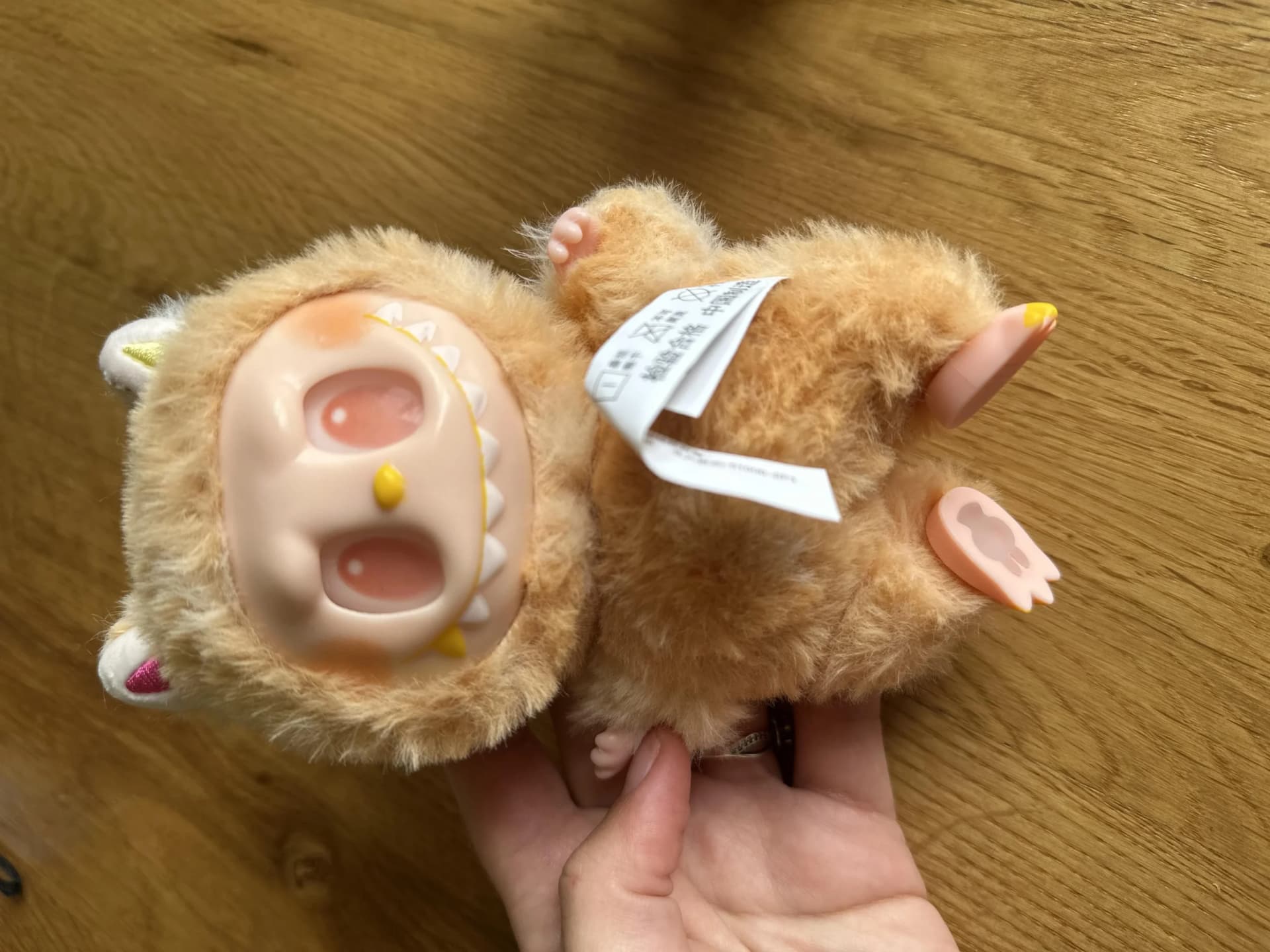
- Buy from authorised Pop Mart retailers only. Counterfeit Labubu figures are a genuine problem in the market, and fake boxes often have tell-tale signs: lighter weight, slightly off colour on the packaging, and QR codes that either don't scan or redirect to generic pages.
- If you're buying in-store and a staff member offers to let you feel the box, that's a green flag — some locations permit it. Learn the shape profiles of the variants you want. The distinct silhouettes of accessories and ear shapes on Labubu figures are often detectable through the cardboard.
- Track your spending per series. Set a hard limit before you start pulling, not after you've already hit it twice.
Spotting fakes and protecting your collection
Counterfeit Labubu has become sophisticated enough that casual buyers get caught out regularly. Authentic Pop Mart boxes have a consistent matte finish, clean printing registration, and a holographic authenticity sticker that catches light at specific angles. The QR code on genuine boxes links to Pop Mart's official verification page. If you're buying secondhand and the seller can't produce the original box, ask for detailed photos of the figure's base — authentic Labubu figures have clean, consistent mold lines and the Pop Mart copyright stamp is sharply printed, not soft or slightly raised.
The resale market has its own norms around grading condition. "Box mint" means the figure has never been removed from its packaging. If you're buying for display and plan to open, condition of the figure itself matters more than the box. If you're buying for investment or potential future resale, box condition is everything.
The secondary market as a tool, not a last resort
A lot of collectors treat the secondary market as the place you go after failing to pull what you want. Flip that thinking. The secondary market is a pricing signal. If a secret rare is trading at eight times retail, that's the market telling you the odds don't justify blind pulling. Buy it directly at resale, know what you paid, and move on to enjoying the figure rather than funding a probability experiment.
Conversely, when resale premiums on a specific variant drop close to retail, it often signals that supply has caught up — either through restocks, case splits flooding the market, or waning hype. That's frequently the best time to buy if you missed the original drop and don't want to overpay.
Understanding the full system, from Pop Mart's published odds and factory case structures to resale pricing as a live demand signal, transforms blind box collecting from a gamble into something much closer to an informed hobby. The boxes are still blind. The decisions leading up to opening them don't have to be.
Know something we missed? Have a correction or additional information?
Submit a Tip