China’s Warren Buffett backs Pop Mart, hints at Labubu stake
Duan Yongping’s Pop Mart bet matters because it backs Labubu as a long-term franchise, not just a viral toy craze, even as some investors trim exposure.
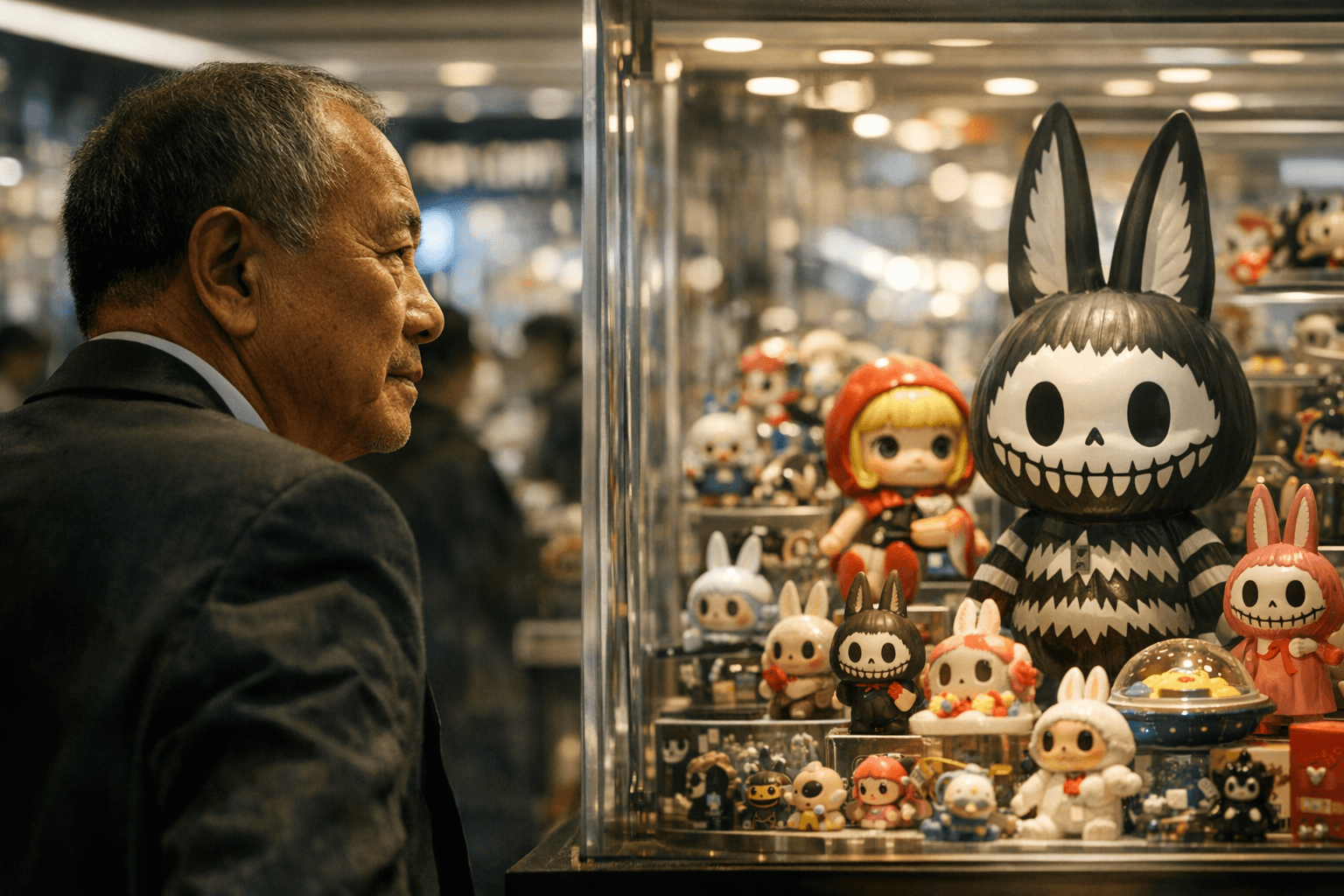
China’s Warren Buffett just threw a heavyweight seal of approval behind Pop Mart, and for Labubu collectors that matters more than stock-market theater. Duan Yongping, the billionaire long tied to Apple, Tencent and NetEase, described Pop Mart as a promising long-term investment and hinted he may already be building a position through options, a move that signals faith in the company’s moat and its ability to keep growing without burning out the character that made it famous.
Duan’s interest lands at a tense moment for Pop Mart. The company’s 2025 results, released on March 25, 2026, showed revenue of RMB 37.12 billion, up 184.7% year on year, while profit attributable to owners surged 308.8% to RMB 12.78 billion and adjusted net profit climbed 284.5% to RMB 13.08 billion. Gross margin widened to 72.1% from 66.8% a year earlier. Even with those numbers, some fund managers have been cutting exposure because Pop Mart still looks heavily tied to one breakout character, Labubu.
That dependence is not small. The Monsters franchise, which includes Labubu, generated RMB 14.16 billion in sales in 2025, up 365.7% from a year earlier, and accounted for about 38% of total revenue. Pop Mart has already signaled that it wants the story to become bigger than one plush-toy phenomenon, with plans to grow its United States store network from 72 locations to more than 100 in 2026. For collectors, that means the company is trying to keep shelves full, keep new drops coming and keep demand hot without turning Labubu into something overexposed.
Duan’s comments cut against the more cautious read on the brand. Coverage said he sees Pop Mart’s business model as having enough barriers to competition and enough growth potential to support globalization, and described his stance as a kind of insurance policy, a nod to the put-option strategy he has used before with companies such as Tencent and Apple. Reports in April 2026 said he told followers his “POP MART insurance company has officially opened for business,” suggesting he was willing to collect premiums while waiting for a better entry point.
For the Labubu crowd, the signal is simple: one of China’s most recognizable value investors is treating Pop Mart less like a fad trade and more like the start of an IP empire. If that confidence holds, it could help give the company room to expand, launch new releases and widen the world around Labubu without draining the character’s pull.
This article was produced by Prism’s automated news system from verified source data, official records, and press releases, then run through automated quality and moderation checks before publishing. The system is built and supervised by the people who set the standards it runs under. Read our full AI policy.
Did this article answer your question?


