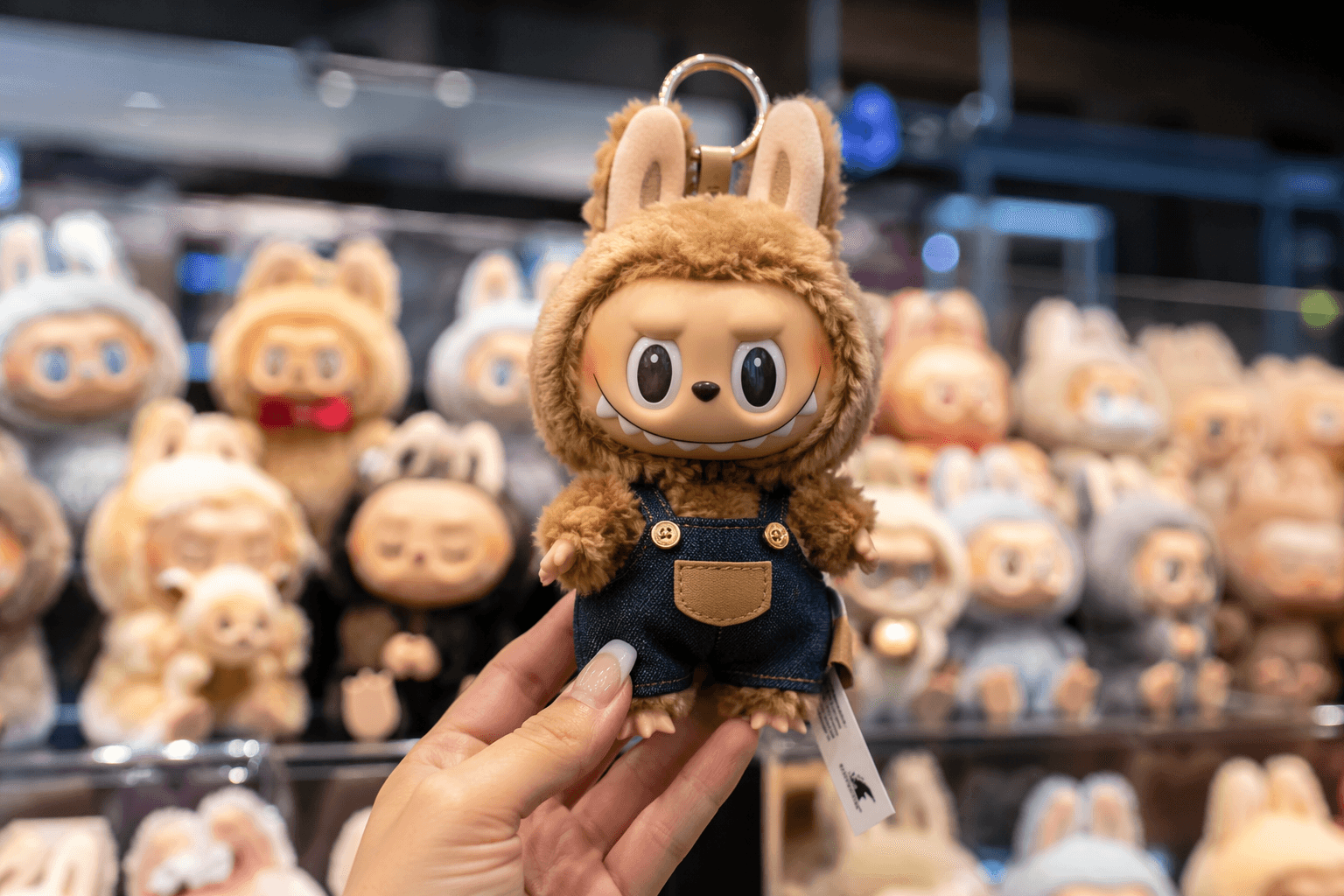
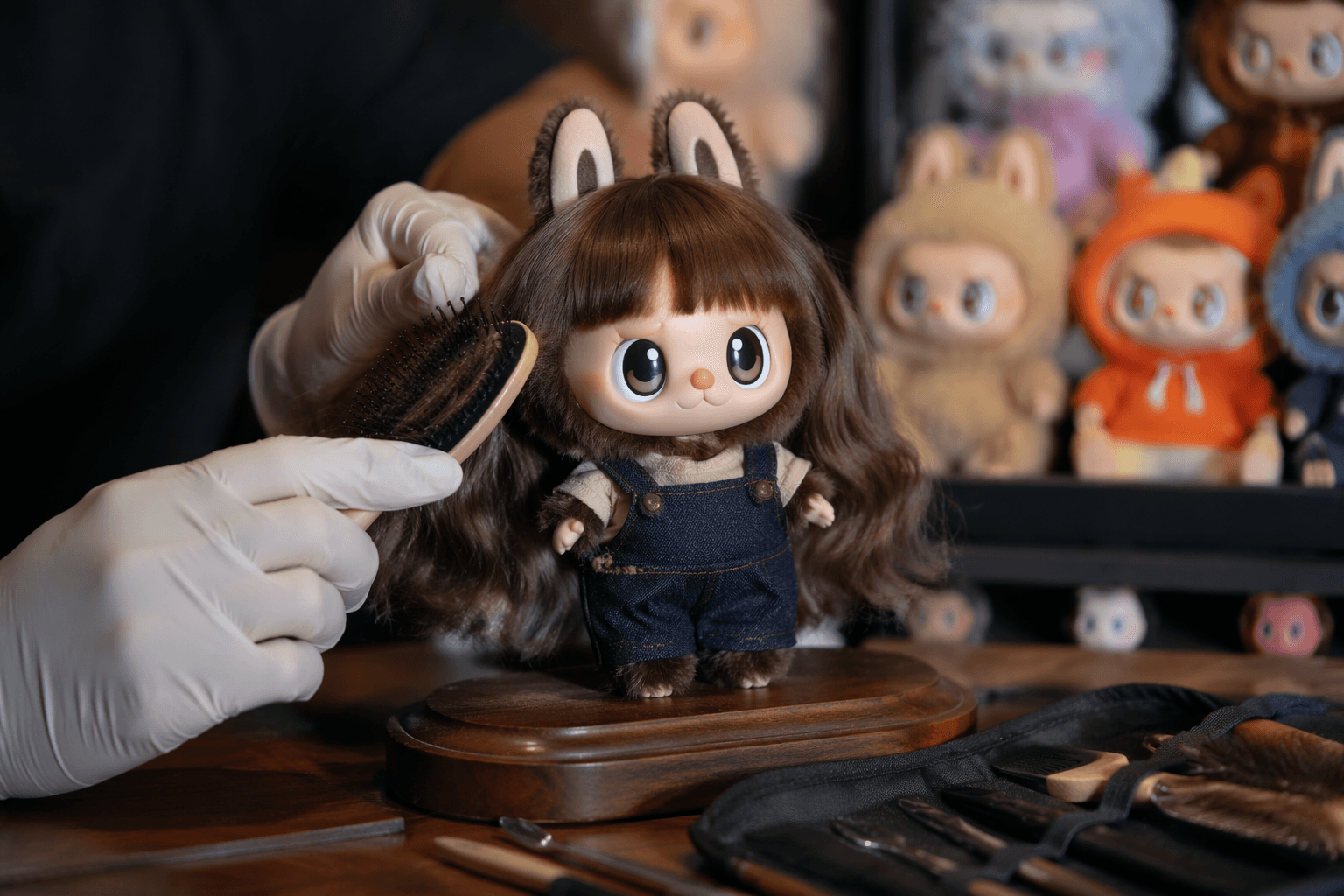
Five designer-toy IPs poised to capture retailer demand as Labubu matures
As Labubu’s resale mania cools, analysts and marketplace trackers name five IPs and lines, led by Mirumi, that retailers should stock to capture shifting collector demand.

1. Mirumi
Mirumi tops analyst lists as the most obvious successor to Labubu’s heyday, described in coverage as a “semi‑sentient successor” that channels the same cute-but-mysterious energy collectors chased at the peak of Labubu fever. Marketplace trackers report growing listing velocity for Mirumi drops since the cooldown in Labubu resale activity, and retailers are being advised to treat Mirumi as a front‑of-store driver: limited runs are converting faster than long tail SKUs, and Mirumi’s social buzz is concentrated among the same age 18–35 buyers who powered Labubu’s earlier 2,000% resale markups mania.
2. Molly (Pop Mart)
Molly remains a reliable, big‑ticket IP for retailers who want stable sell‑through rather than speculative spikes. Pop Mart’s Molly line historically shows higher baseline demand in secondary markets, and with Labubu’s maturation trimming extreme flippers out of the game, analysts expect Molly to pick up casual collectors trading down from peak spec levels. Retail buyers tracking Pop Mart SKU turnover are already seeing Molly blind‑box sets post steadier sell‑rates and fewer volatile price swings, which matters to shops balancing floor stock with online resell exposure.
3. Dimoo
Dimoo is highlighted by marketplace trackers for its cross‑category appeal, plush, vinyl, and lifestyle collabs, making it a “breadth” play for retailers widening beyond novelty blind boxes. Analysts point to data showing Dimoo variants sustain post‑drop interest longer than single‑run novelty toys, and multiple product formats let stores layer margins (higher margin plush, high‑turn blind‑box). With Labubu’s market maturation removing some fast‑flip volume, Dimoo’s slower, community‑driven drops are forecast to capture the demand of collectors who favor display and collaboration pieces over quick resale profits.
4. Pucky
Pucky is on tracker radars as a middleweight IP: not as hyped as Labubu once was, but with reliable collector loyalty and clear merchandising hooks for independent retailers. Marketplace data cited by analysts indicates Pucky lines generate repeat traffic for seasonal variants and artist collabs, a useful trait now that resellers are recalibrating expectations after the Labubu run cooled. Retailers are being told to treat Pucky as a dependable refresh item for shelf space that needs a steady stream of limited editions without the inventory risk that came with chasing Labubu’s 2,000% markup episodes.
5. Independent artist micro‑run lines
Beyond marquee IPs, analysts and marketplace trackers point to independent artist micro‑runs as a rising category retailers shouldn’t ignore. These small‑batch releases, often numbered runs of resin or vinyl between 50 and 500 pieces, are showing outsized community engagement as collectors move away from mass blind‑box speculation and toward curated ownership. The marketplace signal is clear: while total Labubu resale prices have normalized, listing diversity has increased; smaller artist drops are filling the niche for buyers seeking originality and long‑term display value. For retailers, that translates into opportunities for consignment windows, local artist pop‑ups, and higher margin one‑off events that appeal to collectors tired of chasing volatile resale swings.
Conclusion Retailers watching Labubu’s maturation should pivot from single‑hit speculation toward a mix of successor IPs (Mirumi), established catalog staples (Molly, Dimoo, Pucky), and curated indie micro‑runs. Analysts and trackers argue this combination balances traffic, margin, and long‑term collector loyalty, and it responds directly to the market signal that moved from “2,000% resale markups” mania to a more sustainable, diversified demand curve that benefits thoughtful stock decisions.
This article was produced by Prism’s automated news system from verified source data, official records, and press releases, then run through automated quality and moderation checks before publishing. The system is built and supervised by the people who set the standards it runs under. Read our full AI policy.
Did this article answer your question?