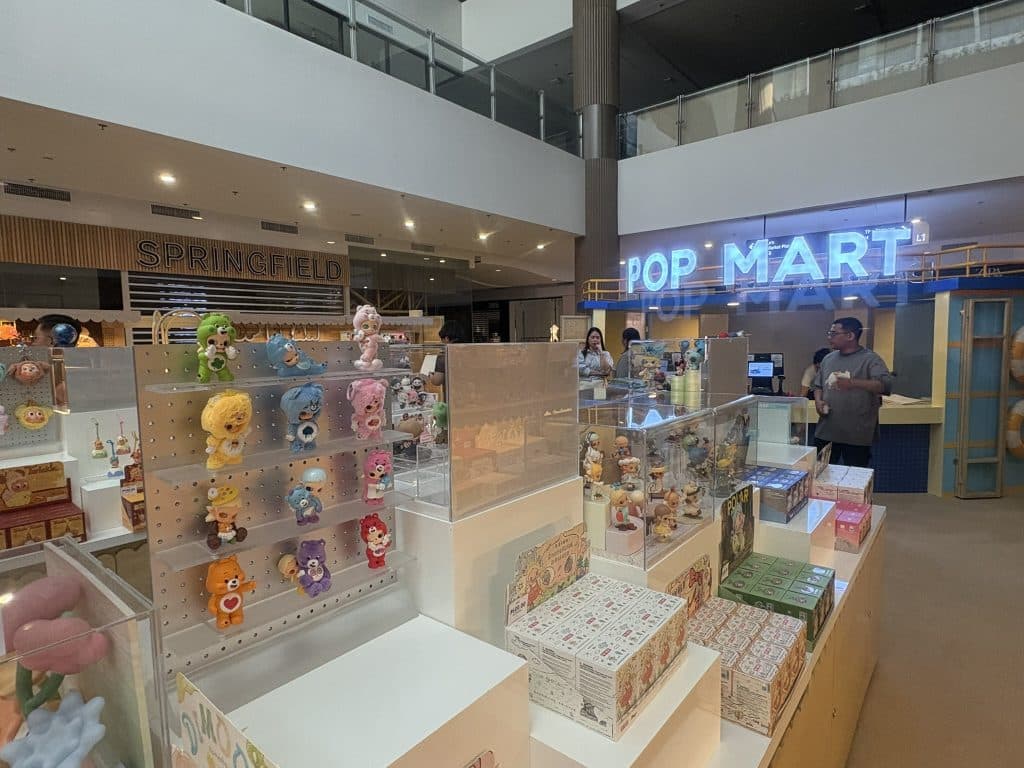
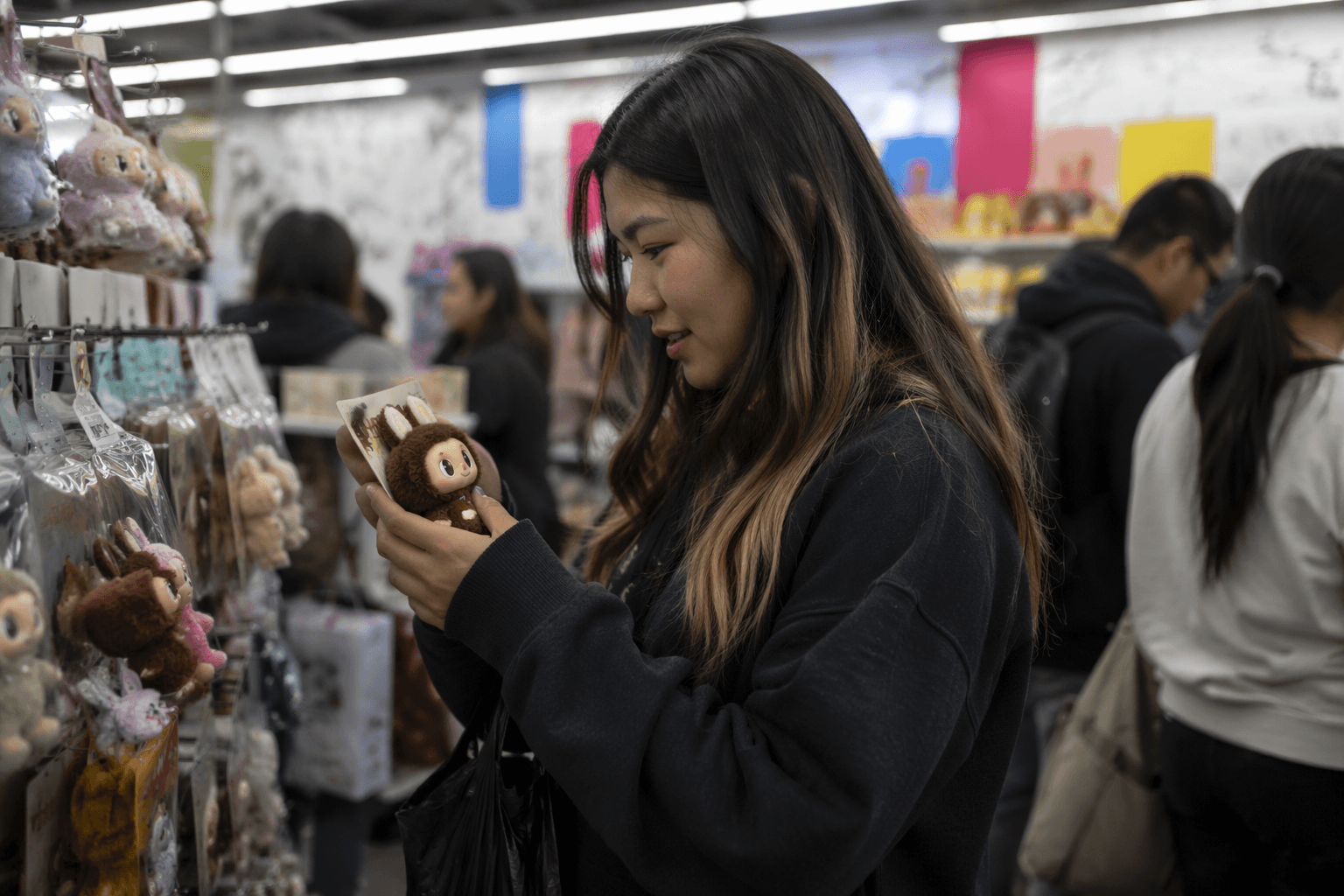
George Mason researcher explains why Labubu blind boxes drive demand
Labubu blind boxes work because uncertainty can raise demand, especially when scarcity and status are built into the mix. Yang’s research shows when surprise is a feature and when it starts looking like a trap.
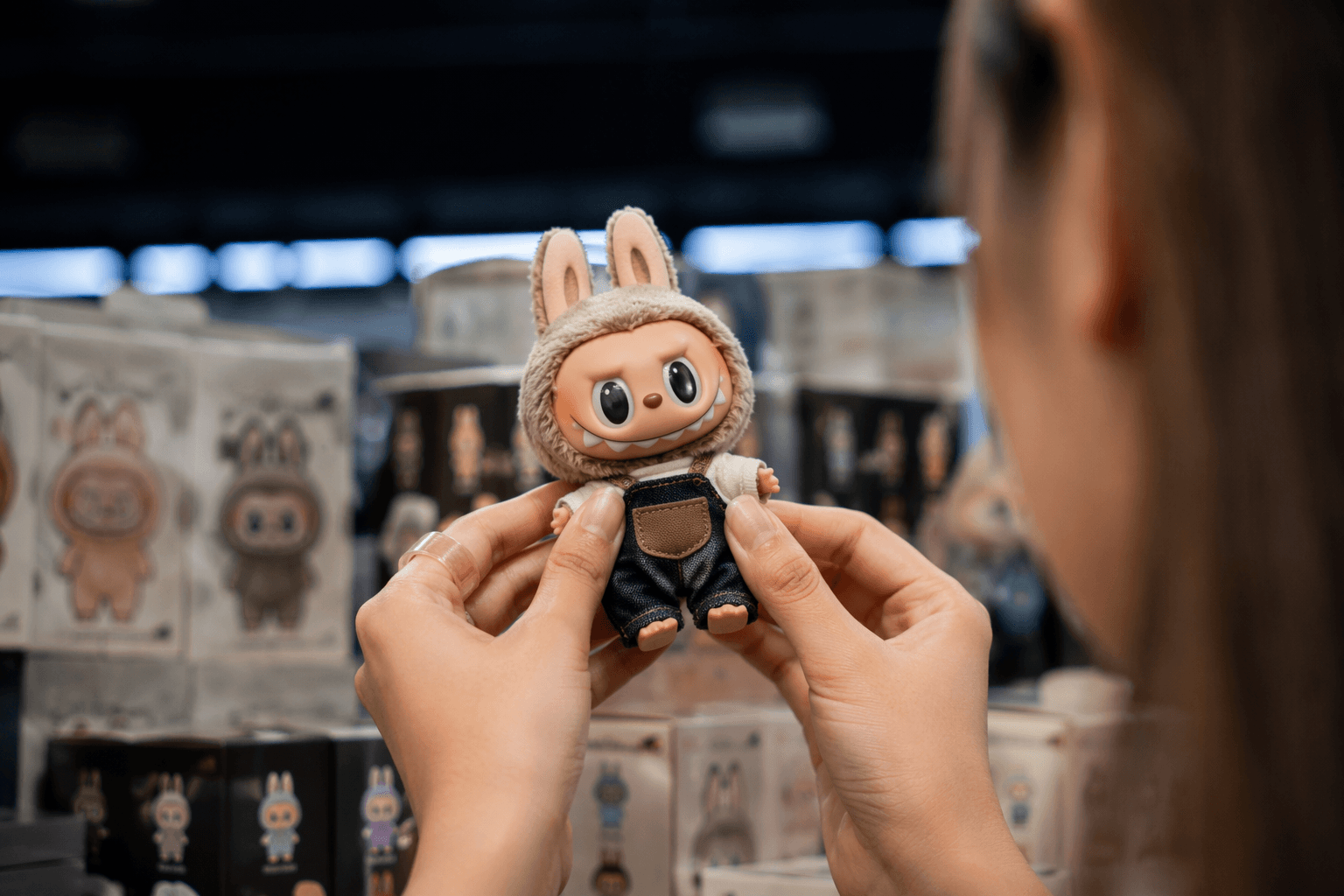
**The strange thing about Labubu blind boxes is that not knowing what you will get can make you want another one.** That is the core idea in George Mason University’s profile of assistant professor Zhechao Yang, whose research looks at probabilistic selling and why mystery-driven products can outperform straightforward retail.
Why the blind-box mechanic works
Yang, who teaches information systems and operations management at the Costello College of Business, is studying the Labubu phenomenon through a paper in *Manufacturing & Service Operations Management*. Her work treats blind boxes as a retail system, not just a toy craze. The buyer sees the box, wants the character, and still does not know the exact figure inside until after purchase, and that uncertainty can increase demand instead of shrinking it.
That matters for collectors because Labubu is not being sold only on cuteness or brand heat. The format itself does work. Surprise changes how buyers value the purchase, because the product is partly about the item and partly about the anticipation, the reveal, and the chance of landing something rarer than the standard pull.
Who controls the game changes the outcome
One of the most useful parts of Yang’s research is that it does not treat blind-box demand as magic. Suppliers, retailers, and customers all react differently depending on who controls the blind-box mechanism and what the quality mix looks like. In other words, the structure of the drop matters as much as the character design.
That is a practical lesson for anyone buying into Labubu. When the seller controls how scarcity is distributed, how figures are bundled, and how often premium variants appear, the market is being engineered. The box does not just hide the product. It shapes the entire buying decision.
Where the profit comes from
Yang’s research points to two major profit pathways. The first is a market-expansion effect. If a supplier has excess higher-quality product, blind boxes can absorb it instead of letting it sit unsold. That turns inventory uncertainty into a selling advantage, because the mystery format can move more product than a fixed-assortment sale might.
The second is strategic differentiation. Scarcity and segmentation help keep premium items from sliding down toward ordinary price levels. In collector language, that is the difference between a desirable chase piece and a figure that gets treated like common stock. When the rare stuff stays hard to get, the whole line can hold value better than a fully transparent release.
For Labubu buyers, this is why some variants feel so much more valuable than others. The company is not just making toys. It is preserving hierarchy.
Why FOMO keeps showing up at the checkout
Blind boxes also tap into a simple behavioral loop: you want the known brand, but you also want the upside of getting lucky. That is where FOMO enters. If the product is perceived as scarce, and the premium pulls are seen as limited, each unopened box carries a shot at status, not just ownership.
Yang’s framing makes clear that this is not a bug in the system. It is the system. The uncertainty is part of the appeal, and the appeal is stronger when collectors believe the odds are meaningful, the rare variants are real, and the social payoff of landing one is worth the spend.
That is also why Labubu has become such a visible collector case study. It shows how modern consumers respond to scarcity, surprise, and perceived status all at once. You are not only paying for the figure. You are paying for the possibility that the box contains the one everyone else wants.
The hidden cost side of the equation
The research also emphasizes transaction costs, which is where blind-box hype can get expensive fast. Packaging, distribution, and surprise-based merchandising all cost money, and those costs can either support profitability or eat into it depending on the setting. A blind-box model only works when the extra operational complexity is justified by stronger demand or better inventory management.
That detail matters if you are trying to judge whether a Labubu drop is genuinely collectible or just engineered to feel collectible. A product can be designed to increase excitement without actually delivering equivalent value. If the system is leaning hard on packaging theater and constant churn, the premium may be more about the mechanism than the figure.
How to tell design value from gambling-style pull
The cleanest way to think about Labubu blind boxes is to separate design value from incentive value. Design value is the character, the craftsmanship, and the collectibility of the line. Incentive value is the dopamine hit of uncertainty, the chase for a rare variant, and the social status attached to winning the pull.
You can spot the difference by watching for a few signals:
- Scarcity that is tied to actual segmentation, not just hype language.
- Premium variants that stay distinct instead of collapsing into ordinary pricing.
- Drops where the quality mix is structured enough to keep inventory moving without making every box feel identical.
- Buying urges that spike hardest when the reveal is the real product.
If the pull itself feels more valuable than the figure after it is unboxed, the mechanism is doing a lot of the work.
Why the lesson reaches beyond toys
Yang’s research reaches beyond Labubu because blind-box logic can apply to booksellers, rental companies, and other categories where controlled uncertainty can change buying behavior. That broader point is important: the format is not just for collectibles. It is a tool that can reshape demand wherever a seller can manage assortment, rarity, and customer expectations.
For Labubu, that means the brand sits inside a bigger commercial pattern rather than a one-off fad. The same structure that makes a rare variant feel thrilling can also explain why consumers keep coming back after already knowing the odds are against them. The box is doing more than hiding the character. It is turning surprise, scarcity, and status into the product itself.
This article was produced by Prism’s automated news system from verified source data, official records, and press releases, then run through automated quality and moderation checks before publishing. The system is built and supervised by the people who set the standards it runs under. Read our full AI policy.
Know something we missed? Have a correction or additional information?
Submit a Tip