How to Plan a Local Labubu Meetup, Swap, or Watch Party
Turning a scattered group of local collectors into a real community starts with one well-run meetup — here's exactly how to pull it off.
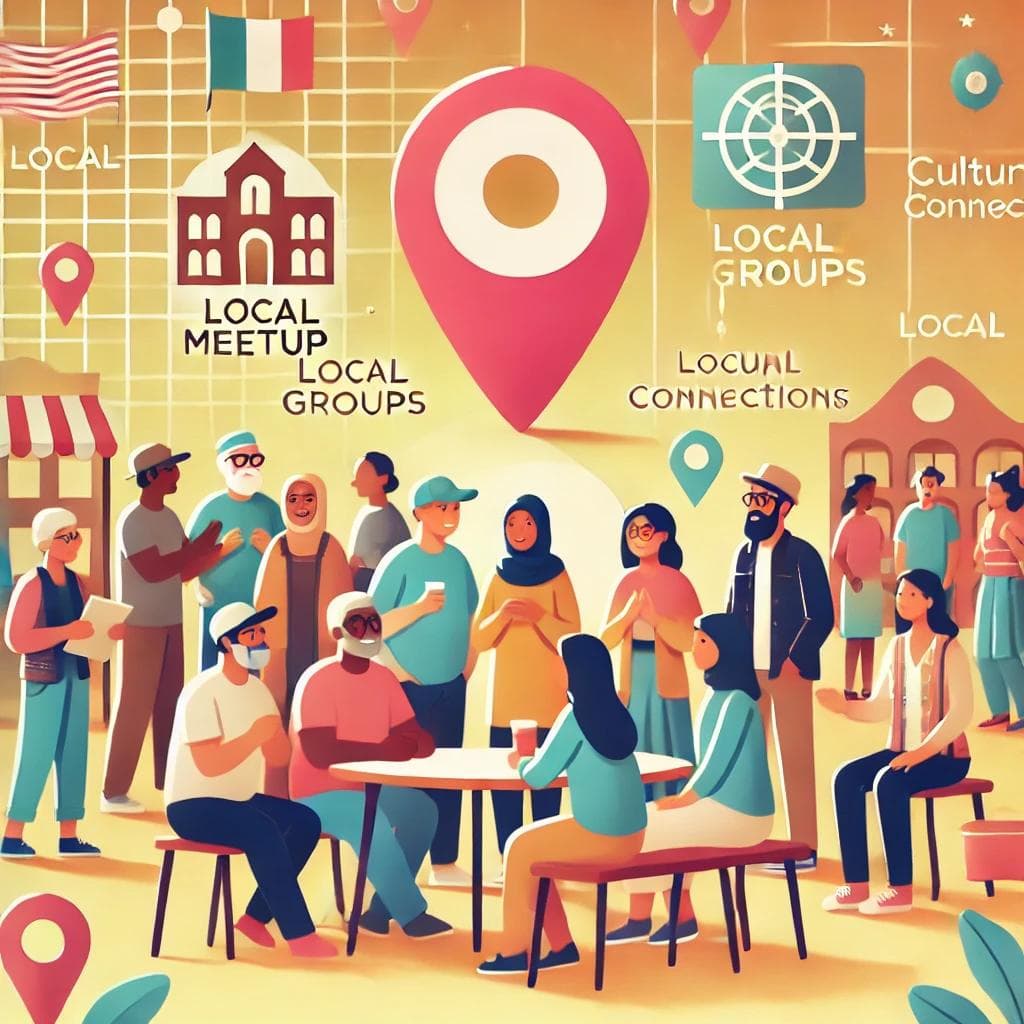
The Labubu community thrives online, but nothing replaces the energy of opening a blind box next to someone who actually understands why you're nervous. Organizing a local meetup, swap, or watch party is one of the highest-impact things any collector can do for their scene — and it's more manageable than it looks, as long as you plan the details that most first-timers skip.
Pick Your Moment Strategically
Timing isn't just about convenience; it's about built-in motivation. The easiest way to fill a first event is to anchor it to something collectors are already tracking: a Pop Mart drop, a new series release, or a store opening. Weekend afternoons and weekday evenings work best for attendance, and they give you a natural narrative: show up, watch the drop together, then swap what you got.
If your event coincides with a retail release, contact the store or Pop Mart retail partner directly. Many welcome fan-driven watch parties when organizers communicate expected headcount and how crowd flow will be managed. That conversation also opens the door to cross-promotion, which makes your job of filling the room significantly easier. Always have a backup plan for weather and crowd spikes. For groups of 50 or more, a store frontage alone won't cut it; you'll want a separate venue locked in before you start promoting.
Choosing and Securing the Right Venue
For a first event of 10 to 40 people, the best venues are ones that already have foot traffic from adjacent interests: independent toy or comic stores, coffee shops with a back room, library meeting rooms, and community centers. These spaces tend to be affordable, flexible, and already comfortable for people who collect things.
For any public retail space, including mall kiosks or store frontages, you need explicit permission from property management or the store owner before you promote anything. Don't assume a friendly manager means you have approval from the building. Put together a simple one-page event plan covering start and end times, expected headcount, how trades will be handled, and whether minors will be attending. That document protects you, makes the venue feel respected, and in many cases gets you onto their social channels as a co-promoted event.
Setting Up Fair and Safe Trading
This is where well-intentioned meetups either build trust or fall apart. Establish your swap rules publicly before the event, not on the day, so everyone arrives with the same expectations.
A few protocols worth enforcing from the start:
- Require participants to preview items publicly (photos in the group chat beforehand, or a quick display at the event) so others can inspect condition before agreeing to an exchange.
- Make honest condition disclosure the norm, not the exception. Paint rub, sticker residue, replaced parts: all of it should be declared upfront.
- For uneven-value trades, suggest either adding a small cash adjustment or bundling multiple figures to balance the deal. "Even trades only" rules sound clean but create frustration when someone has a Secret figure and someone else has a standard.
- For higher-value trades specifically, bring in a neutral third party or at least a witness, and write a short exchange note with both names and item descriptions. It takes two minutes and prevents disputes that can poison a community.
Getting People Through the Door
Promote through the channels where your local collector base actually lives: Discord servers for local hobby or toy communities, Facebook collector groups, hobby-focused Reddit subreddits, and local event listing sites. Cast a wider net than you think you need; first-time event attendance is always lower than RSVPs suggest.
Keep RSVPs manageable and collect a contact email from each person. You need a way to reach attendees quickly if the venue changes last-minute, which happens. For a debut event, cap attendance deliberately. A tight, energetic room of 25 people is a better outcome than a sparse, awkward room designed for 60. Ask attendees to bring name tags and a short want/for-trade list. Both reduce the time spent on awkward "so, what are you looking for?" openers and let people match up faster.
Day-Of Setup
Arrive early. The physical layout of your space shapes how the whole event feels. Set up a clear trade area with enough surface space for people to lay items out, a separate display table for high-value showpieces that aren't up for trade (so people can appreciate them without fielding unwanted offers), and a water or snack station if the venue allows it.
Bring the basics that people always forget:
- Printed sign-in sheets
- A bulletin board or foam board for posting live swap requests
- Sharpies and sticky notes for labeling items
- Clear plastic sleeves for protecting smaller figures during handling
- A secure box for any table fees or charity donations collected on the day
Keep a phone contact sheet with emergency numbers and venue management contacts. If something goes sideways, the last thing you want to be doing is searching someone's Instagram for a phone number.
Keeping the Community Alive After the Event
The event itself is just the beginning. The real value is what happens between events. After the meetup, channel everyone into a persistent local group: a Telegram chat, a Discord server, or a Facebook group dedicated to the local scene. Share photos (with consent from attendees), a short summary of successful trades, and your attendance count.
Send out a simple feedback request covering timing, space, and signage. That feedback loop is what turns a one-off gathering into a recurring fixture. Rotate planning responsibilities so the whole operation doesn't collapse if one person gets busy. Identify a local store partner willing to co-host or cross-promote the next event; that relationship compounds over time and gives the community a permanent home base.
A well-run local meetup does something no marketplace app can replicate: it puts faces to usernames, eliminates shipping costs and shipping anxiety from trades, and builds the kind of trust that makes future deals smoother for everyone involved. The hobby grows when collectors have somewhere to show up in person. Being the person who creates that space is, frankly, one of the most useful things you can do for your local scene.
This article was produced by Prism’s automated news system from verified source data, official records, and press releases, then run through automated quality and moderation checks before publishing. The system is built and supervised by the people who set the standards it runs under. Read our full AI policy.
Did this article answer your question?