How to Spot Counterfeit Labubu Dolls That Could Cause Choking
Learn clear, practical checks to spot counterfeit Labubu dolls (aka "Lafufu") that can break apart and pose choking hazards.

Whether you're hunting a shelf for that next pop culture drop or protecting a toddler from a tiny hazard, here's a plainspoken checklist to help you spot counterfeit Labubu figures that could break apart and cause choking. Work through these checks before you buy, open, or let a child play with the figure.
1. Check for the Pop Mart holographic sticker
Inspect the packaging and the figure area for the official Pop Mart holographic authenticity sticker. Counterfeits commonly omit this sticker entirely or use a cheap printed imitation that lacks the reflective security pattern; if it looks flat or misaligned, treat it as suspect. The sticker is a quick first-line indicator, absence or obvious tampering means you should pause the sale or ask the seller for proof of authenticity.
2. Scan and verify the QR code
Use your phone to scan any QR code on the box or tag and confirm it resolves to an official Pop Mart page or product verification link. Blurry, pixelated, or invalid QR codes that go nowhere or direct you to unrelated storefronts are a red flag for knockoffs. If the code resolves to an unfamiliar site, take a screenshot, ask the seller for clarification, and consider rejecting the purchase.
3. Compare the teeth and sculpt details to official images
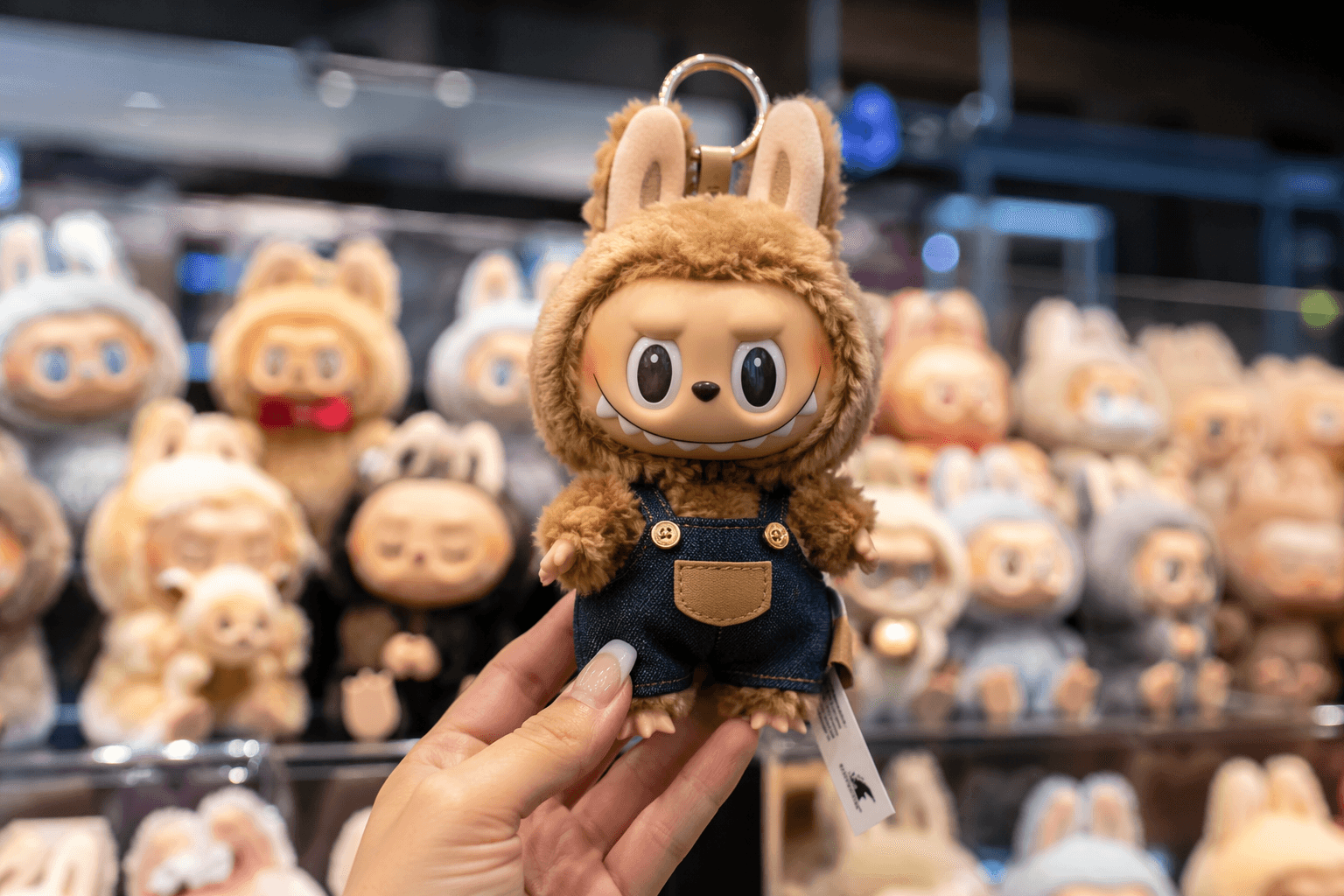
Authentic Labubu figures have consistent sculpt features, countable details like the number of teeth are model-specific and repeatable across genuine runs. If a figure shows the wrong number of teeth, noticeably altered facial sculpt, or missing small sculpted bits, that’s a strong sign of a counterfeit. Keep an official reference image (from Pop Mart or verified retailer photos) handy and compare side-by-side before assuming a piece is real.
4. Evaluate color, paint quality, and finish
Counterfeits often get the palette wrong: overly bright, neon, or slightly off hues and sloppy paint applications are common giveaways. Look for paint overspill, uneven shading, or mismatched trims; authentic figures typically have crisp, consistent paint lines and color balance. If the color screams “budget knockoff,” don’t let cute packaging win, you’re trading looks for possible safety risks.
5. Measure size and test for breakable parts
One of the core safety problems with some lookalikes is that small pieces can detach and fit inside a child’s mouth. Measure the figure against official dimensions posted by Pop Mart or the retailer and check for loose seams, thin plastic tabs, or glued-on accessories that tug off easily. Gently wiggle removable parts, if small components separate with light pressure, don’t let children handle it; it’s a choking hazard.
- Verify barcode scans to the correct product.
- Match SKU or item numbers to the seller’s listing.
- Look for tidy manufacture and safety labels, absence is suspect.
6. Inspect packaging, labeling, and barcodes
Authentic packaging includes consistent logos, legible barcodes, batch numbers, and quality printing; counterfeit boxes often cut corners with blurry text, missing batch codes, or awkward language. Look for consistent branding across box, inserts, and any included leaflet; any mismatch between the box art and the figure itself should raise concern. Quick checks:
7. Buy only from reputable or authorized sellers; be cautious with discounted or secondhand listings
Authorized sellers and official Pop Mart channels drastically reduce the chance you’ll get a dangerous knockoff; when in doubt, buy direct or from listed retailers. Be extra wary of deep-discount listings, non‑authorized marketplace sellers, and secondhand sales, the risk of "Lafufu" lookalikes is higher in these venues. If you purchase used, ask for clear photos of the holographic sticker, QR code scans, and close-ups of teeth, seams, and box barcodes before committing.
8. Report problems at SaferProducts.gov
If you suspect a figure is counterfeit, breaks apart, or causes a choking incident, file a report at SaferProducts.gov so regulators and the community can track patterns. Your report helps enforcement prioritize seizures and alerts other buyers and caregivers to emerging risks. Include photos, seller details, and a clear description of what happened, data matters when agencies decide where to act.
9. Stay vigilant despite increased enforcement at U.S. ports
Regulators have stepped up inspections at ports, but enforcement isn’t foolproof, counterfeits still slip through and reach local market channels. Treat enforcement as a helpful backstop, not a guarantee; continue checking sellers, sharing intel in local collector groups, and flagging suspicious finds so the community can respond quickly. Your vigilance complements official efforts and keeps kids and collectors safer.
Every small check you make adds up to big safety gains. When in doubt, keep the figure away from young children, hold onto receipts and photos, and report any problems, better to swap a deal than risk a hospital trip. Keep your collection genuine, and keep your household safe; that’s the best flex in the room.
This article was produced by Prism’s automated news system from verified source data, official records, and press releases, then run through automated quality and moderation checks before publishing. The system is built and supervised by the people who set the standards it runs under. Read our full AI policy.
Did this article answer your question?