JPMorgan labels Labubu a super IP, predicts 152% overseas sales surge
JPMorgan’s 152% overseas sales call points to tighter drops, faster sellouts, and hotter resale on Labubu as demand spreads beyond Asia.
JPMorgan’s call turns Labubu from a hype story into a collector math problem. If overseas sales really jump 152% year on year in 2025, then Pop Mart’s little monster is not just getting bigger, it is likely getting harder to buy in the markets that matter most. The bank projected a 42% compound annual growth rate for overseas sales through 2027 and said those sales could make up 65% of Pop Mart’s total revenue by then, a forecast that points straight at future scarcity, regional sellouts and firmer secondary-market prices on the drops collectors chase most.
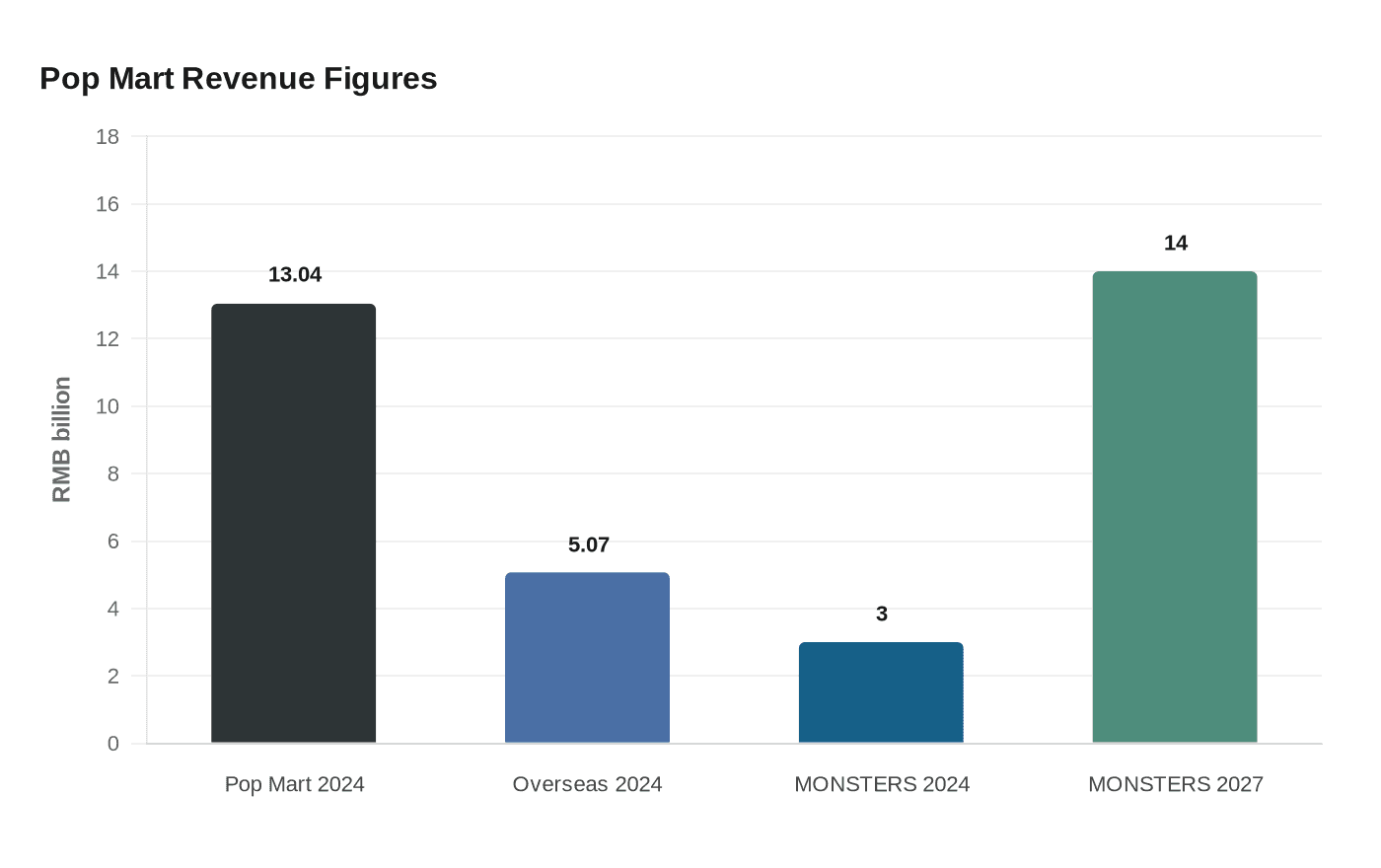
The numbers behind that forecast are already loud. Pop Mart said 2024 revenue hit RMB 13.04 billion, up 106.9% from the prior year, while overseas revenue, including Hong Kong, Macao and Taiwan, climbed 375.2% to RMB 5.07 billion. In the company’s annual report, THE MONSTERS, MOLLY, SKULLPANDA and CRYBABY each passed RMB 1 billion in revenue for the first time, and 13 major IPs topped RMB 100 million. JPMorgan went further on Labubu’s line, saying THE MONSTERS sales could rise from RMB 3 billion in 2024 to RMB 14 billion in 2027.
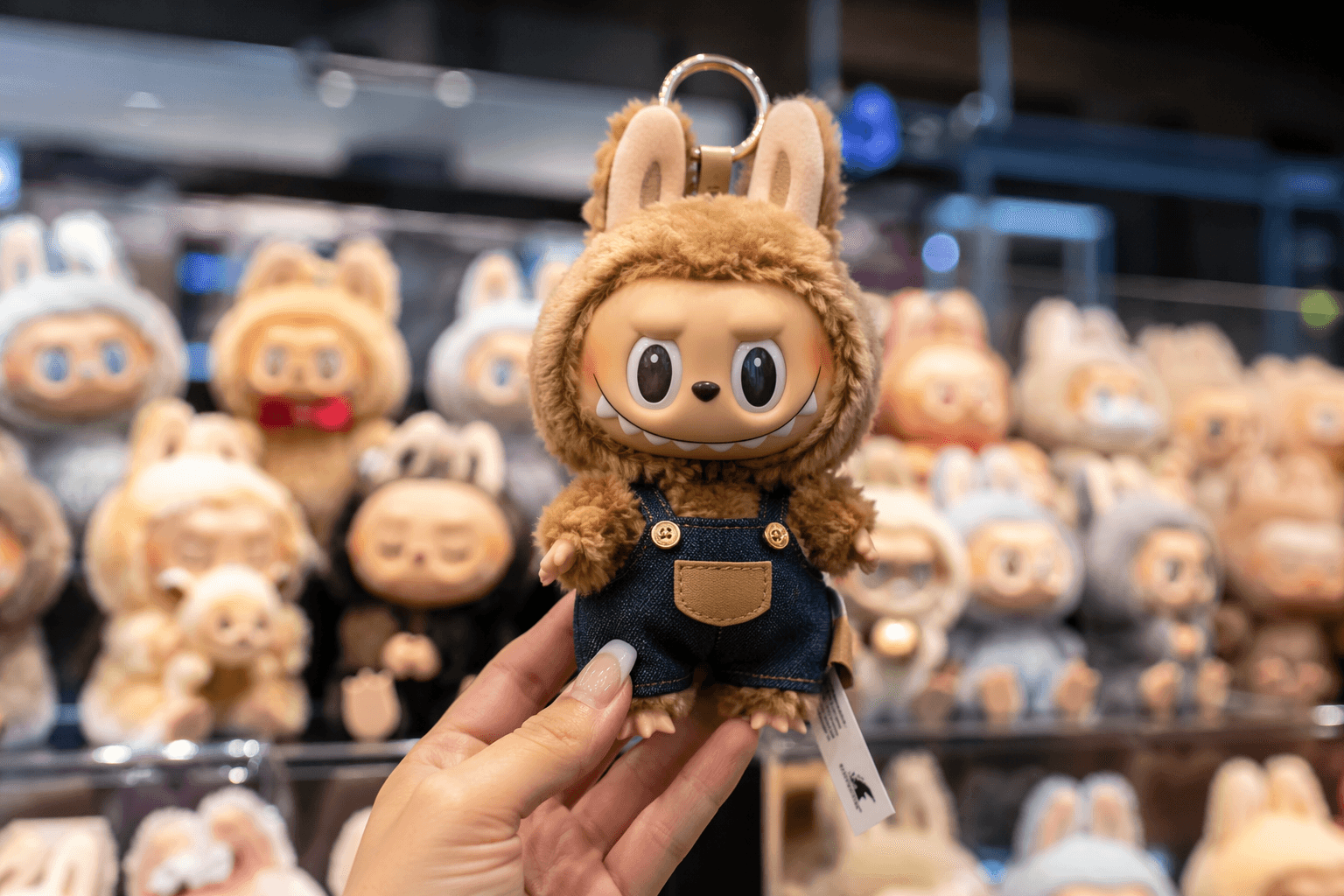
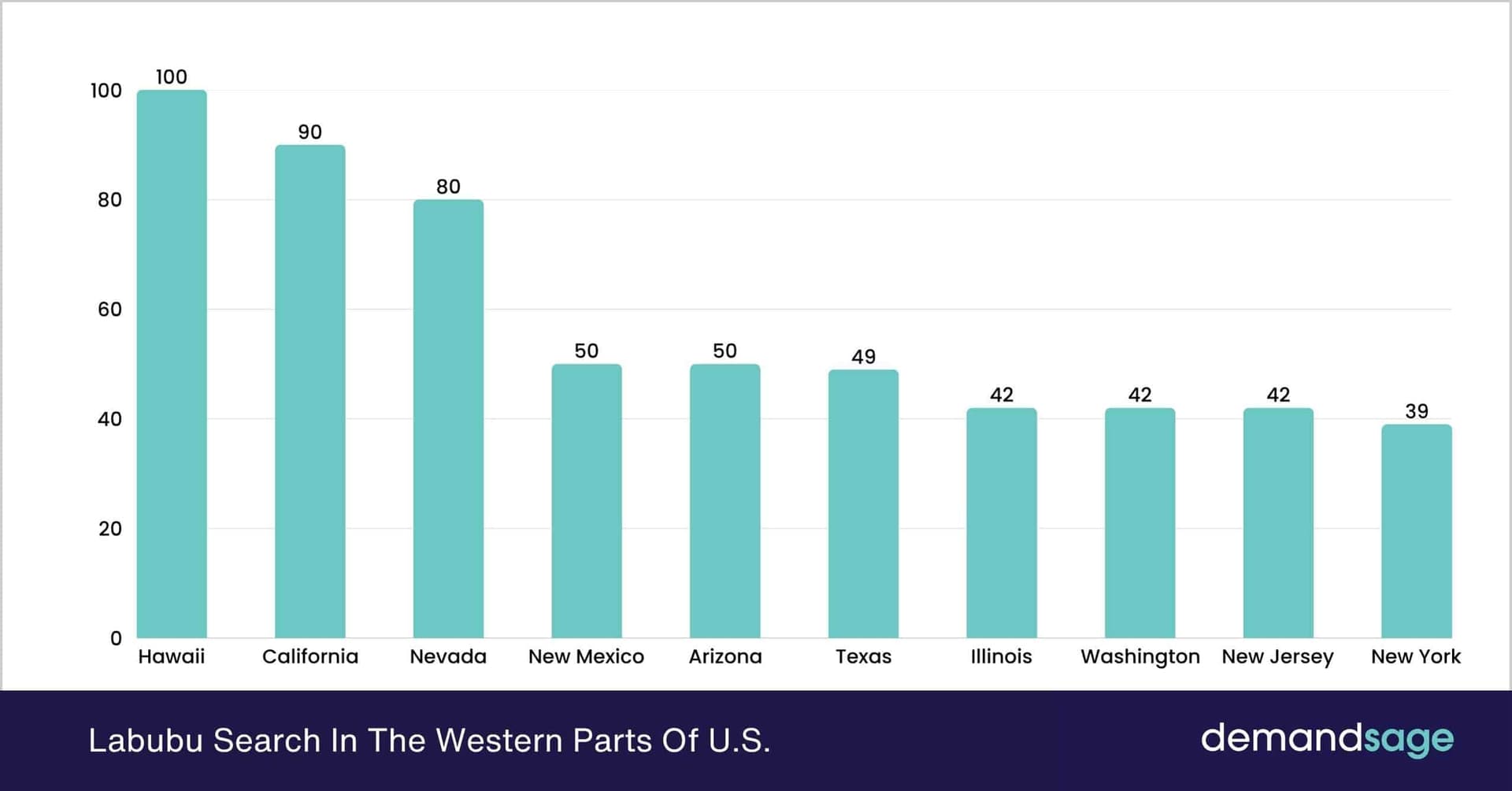
That growth is the part collectors should watch with the sharpest eye. Labubu, created by Hong Kong illustrator Kasing Lung and sold through Pop Mart under THE MONSTERS franchise, has already spread far beyond Asia. State-backed Chinese reporting in late May 2025 said Pop Mart’s Americas revenue in the first quarter of 2025 rose nearly ninefold year on year, while European sales rose about sixfold. In May 2025, Labubu even surpassed Hello Kitty in search popularity, a signal that demand had crossed from fandom into the mainstream attention economy.
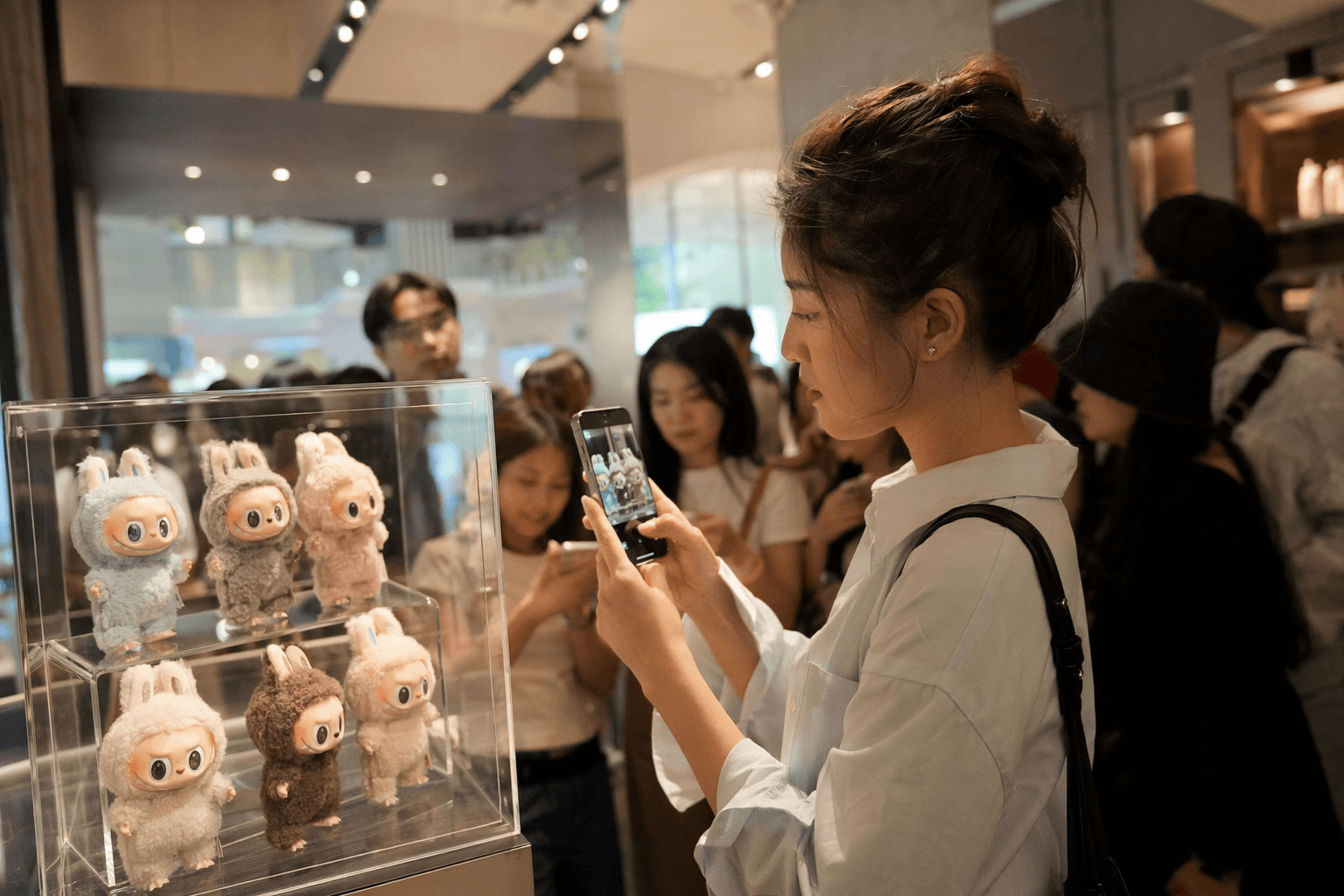
The squeeze is not just theoretical. Pop Mart suspended in-store Labubu sales across the United Kingdom in May 2025 after reports of crowding and fights, saying it wanted to prevent potential safety issues. By August 2025, the squeeze had a darker edge: UK trading standards warned about counterfeit Labubu dolls, and the Office for Product Safety and Standards recalled fake Labubu plush toys on 18 August 2025 over a choking risk. When a character is hot enough to force store suspensions and counterfeit recalls, scarcity stops being a speculation and starts shaping every buy decision.
For collectors, the question now is not whether Labubu remains popular. It is which markets will tighten first, which release types will vanish fastest, and how much extra premium buyers will pay when the next wave lands outside mainland China. JPMorgan’s forecast suggests the answer may be: almost everywhere, and sooner than expected.
This article was produced by Prism’s automated news system from verified source data, official records, and press releases, then run through automated quality and moderation checks before publishing. The system is built and supervised by the people who set the standards it runs under. Read our full AI policy.
Did this article answer your question?